Gardening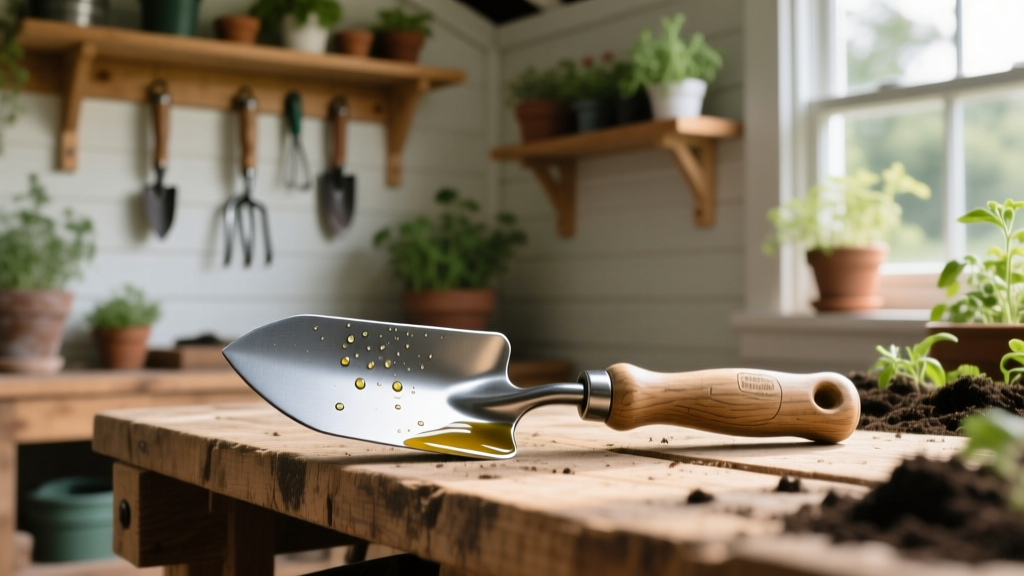
2026 Tool Care: Sharpening & Oiling Fertilizer Hand Tools
Emily WatsonPublished
The Intersection of Fertilizer Schedules and Tool Longevity
Welcome to the 2026 gardening season. As home gardeners increasingly adopt precision fertilizer schedules and specialized nutrient blends, the focus is often entirely on the soil and the plants. However, the very instruments we use to incorporate these vital nutrients into the earth—our hand tools—bear the brunt of chemical exposure. Executing a rigorous fertilizer schedule means your hand tools are constantly interacting with corrosive salts, acidic organic amendments, and moisture-retaining composts. Without a dedicated sharpening and oiling regimen tailored to your fertilization calendar, even the highest-quality carbon steel and stainless steel implements will quickly succumb to pitting, rust, and structural degradation.
In this comprehensive 2026 guide, we will explore how different fertilizer types impact your garden gear and provide a meticulous, step-by-step protocol for sharpening and oiling the specific hand tools used for fertilizer application and soil incorporation.
How Different Fertilizer Types Damage Metal
Before diving into maintenance, it is crucial to understand the chemical environment your tools face during the fertilization process. According to experts at Penn State Extension, failing to remove soil and chemical residues is the primary cause of premature tool failure.
- Synthetic Water-Soluble Fertilizers: Blends like 10-10-10 or specialized 2026 micro-nutrient salts are highly corrosive. When mixed with soil moisture, they create an electrolyte solution that rapidly accelerates oxidation (rust) on carbon steel trowels and cultivators.
- Acidic Organic Amendments: Organic fertilizers such as elemental sulfur, cottonseed meal, and peat-based amendments lower the pH of the soil. Acidic residue clinging to the edges of a Hori Hori knife or a Dutch hoe will literally eat away at the microscopic edge of the blade, dulling it within days.
- Manure and Compost Blends: While excellent for soil biology, heavy organic fertilizers trap moisture and harbor ammonia-producing bacteria. If left on hand cultivators or soil knives, this biological activity creates a highly localized corrosive environment that pits metal surfaces.
Step-by-Step Sharpening for Fertilizer Incorporation Tools
Sharp tools require less physical force, reducing gardener fatigue and ensuring that fertilizer granules and liquid amendments are incorporated evenly without disturbing deep root systems. As noted by the masters at Fine Gardening, maintaining a consistent bevel angle is the secret to a long-lasting edge.
1. The Hori Hori Knife (For Deep Root Feeding and Spiking)
The Hori Hori is indispensable for punching holes for deep-root fertilizer spikes or creating trenches for liquid bio-stimulant injection.
- Clean: Scrub the blade with a stiff brush and a 10% baking soda solution to neutralize any acidic fertilizer residue.
- Sharpen: Use a 400-grit diamond whetstone. The Hori Hori typically features a flat edge and a serrated edge. Focus on the flat, concave edge. Maintain the factory bevel (usually around 20 to 25 degrees). Push the stone away from you in smooth, sweeping strokes until a burr forms.
- Hone: Flip the knife and lightly run the stone flat against the back of the blade to remove the burr. Finish with a 1000-grit stone for a razor-sharp edge capable of slicing through root-bound soil to deliver nutrients.
2. The Dutch Hoe and Stirrup Hoe (For Granular Top-Dressing)
Hoes are used to scratch granular slow-release fertilizers into the top inch of soil and to sever weeds that compete for those nutrients.
- Secure: Clamp the hoe head in a bench vise with the cutting edge facing up.
- File: Using an 8-inch flat mill bastard file, push the file along the cutting edge in one direction (away from you). Do not drag it back. Maintain the existing 30-degree bevel.
- Check: Run your thumb lightly perpendicular to the edge (never parallel) to feel for a uniform burr. Once a burr is felt along the entire edge, flip the hoe and give the back side one or two flat passes with the file to snap the burr off.
3. The Hand Cultivator (For Mixing Slow-Release Organics)
Hand cultivators blend compost, bone meal, and mycorrhizal inoculants into the root zone.
- Inspect: The tines of a cultivator often bend when hitting rocks during heavy soil amendment mixing. Secure the head and gently tap bent tines back into alignment with a rubber mallet.
- Sharpen: Use a round or half-round file to sharpen the inside curve of each tine. This allows the tines to slice through compacted soil rather than just tearing it, ensuring your organic fertilizers are distributed evenly.
Oiling and Protecting Against Fertilizer Salts
Sharpening removes the protective oxidized layer and exposes raw, vulnerable steel. Because fertilizer salts are so aggressive, immediate oiling is non-negotiable. The University of Minnesota Extension emphasizes that proper oiling not only prevents rust but also reduces soil friction during subsequent use.
Choosing the Right Oil for 2026
- Camellia Oil: The gold standard for tools used in edible vegetable gardens. It is food-safe, non-toxic, and leaves a thin, hard, non-sticky film that repels moisture and synthetic fertilizer salts.
- Food-Grade Mineral Oil: An inexpensive, highly effective alternative to Camellia oil. It does not go rancid and is perfectly safe for tools that mix fertilizers into raised beds destined for food crops.
- Boiled Linseed Oil (BLO):strong> Best reserved for the wooden handles of your hoes and cultivators, as well as heavy-duty carbon steel tools used exclusively in ornamental flower beds. Safety Warning: BLO generates heat as it cures. Always lay BLO-soaked rags flat outside to dry, or store them in a sealed metal container filled with water, to prevent spontaneous combustion.
The Application Technique
After neutralizing, washing, and thoroughly drying your tools, apply a few drops of your chosen oil to a clean microfiber cloth. Rub the oil vigorously into the steel blades and tines. The friction helps the oil penetrate the microscopic pores of the metal. Wipe off any excess; you want a microscopic protective barrier, not a dripping wet surface that will attract dust and fertilizer grit.
The 2026 Fertilizer and Tool Maintenance Calendar
To seamlessly integrate tool care with your fertilizer schedule, follow this seasonal maintenance matrix. This ensures your tools are prepped before heavy application seasons and protected during dormant periods.
| Season | Fertilizer Task | Tool Care Action |
|---|---|---|
| Early Spring | Pre-plant granular incorporation & compost top-dressing | Major sharpening of all hoes and cultivators. Initial oiling with Camellia or Mineral oil to protect against spring moisture and fresh organic acids. |
| Late Spring | Side-dressing nitrogen & liquid bio-stimulant injection | Quick hone of the Hori Hori knife. Wipe down all tools immediately after exposure to concentrated liquid synthetic salts. |
| Mid-Summer | Foliar feeding & light compost tea application | Wash tools with a mild soap and baking soda solution to neutralize summer fertilizer buildup. Dry completely and apply a light oil coat. |
| Early Fall | Heavy soil amendment (sulfur, lime, manure) | Deep clean to remove acidic and biological residues. Sharpen cultivator tines. Apply a heavy coat of oil to protect against fall rains. |
| Late Fall | Winterizing beds & slow-release organic placement | End-of-season maintenance. Sand off any micro-rust spots. Oil wooden handles with Boiled Linseed Oil and coat all steel parts heavily for winter storage. |
Safe Cleaning Agents for Fertilizer-Covered Tools
Never put your fertilizer application tools away wet, and never rely on plain water to clean off synthetic salts or acidic organics. Water alone will initiate flash-rusting on high-carbon steel within minutes.
Keep a dedicated bucket in your garden shed containing a neutralizing wash. Mix one cup of baking soda into a gallon of warm water. Baking soda is mildly alkaline and will instantly neutralize the acidic residue left behind by sulfur-based fertilizers and organic amendments. Dip your freshly sharpened hoes and trowels into this solution, scrub with a nylon brush, and immediately dry them with a dedicated shop towel before applying your protective oil.
Conclusion
As we navigate the advanced fertilizer types and precise feeding schedules of 2026, we must remember that our hand tools are the vital link between the nutrients we purchase and the soil that sustains our plants. By understanding the corrosive nature of both synthetic salts and organic acids, and by committing to a rigorous schedule of sharpening and oiling, you will extend the life of your garden gear by decades. A sharp, well-oiled tool makes the physical labor of fertilization a joy rather than a chore, ensuring your garden receives the exact nutritional foundation it needs to thrive this season and beyond.
