
Landscaping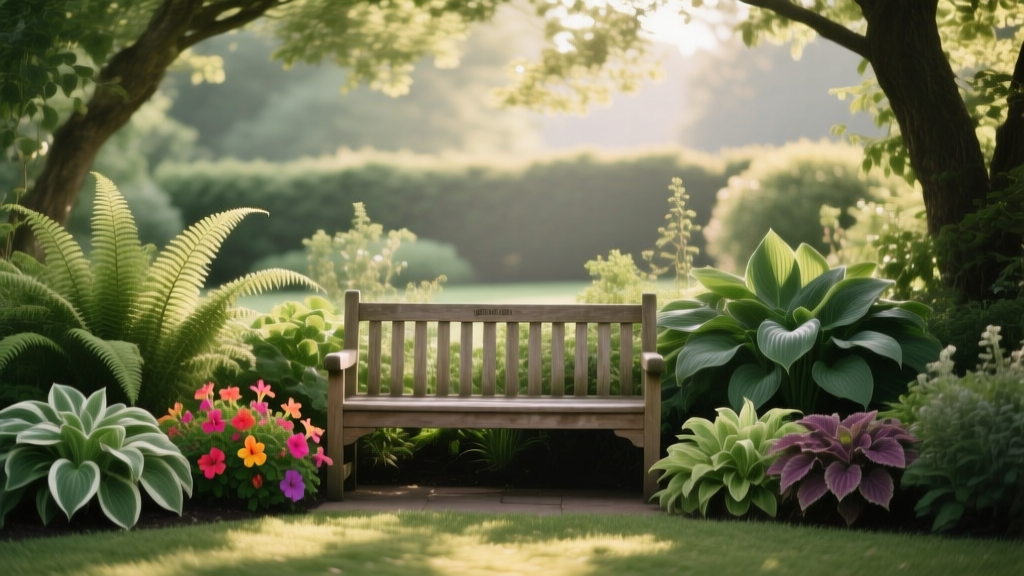
Fertilizing Garden Bench Focal Points & Shade Beds: 2026 Guide
James MillerPublished
The Intersection of Hardscaping and Soil Nutrition
In modern landscape design, a garden bench is never just a place to sit; it is a vital architectural anchor that dictates the flow, focal points, and microclimates of your outdoor living space. As we move through the 2026 landscaping season, homeowners and landscape architects alike are prioritizing the seamless integration of hardscaping elements with lush, thriving plant palettes. When you strategically place a garden bench to serve as a visual focal point while simultaneously capitalizing on natural or structural shade, you create distinct environmental zones in your yard. However, the very shade that makes your bench a comfortable retreat fundamentally alters the soil biology and nutrient uptake of the surrounding garden beds. To maintain a pristine landscape in 2026, you must align your fertilizer types and application schedules with the unique microclimates created by your bench placement.
Strategic Bench Placement for Focal Impact and Shade
Before discussing soil nutrition, we must establish how bench placement dictates the planting zones. A true focal point draws the eye from the primary vantage points of your home, such as the back patio or a large kitchen window. Placing your bench at the terminus of a winding pathway or nestled into a curved garden bed creates a sense of destination. To incorporate shade, designers in 2026 are heavily favoring placement under the dappled canopy of mature deciduous trees, such as oaks or maples, or beneath custom-built cedar pergolas draped with climbing vines like clematis or wisteria.
This strategic placement creates three distinct planting zones: the deep shade zone directly beneath and immediately behind the bench, the dappled transition zone on the periphery of the canopy, and the sunlit focal backdrop that frames the bench from a distance. Each of these zones requires a completely different approach to soil fertilization, as light exposure directly correlates with soil temperature, moisture evaporation rates, and microbial activity.
The Microclimate Effect: Why Shade Changes Fertilizer Needs
Shade dramatically lowers soil temperatures and reduces the rate of evaporation. While this means your shade beds will require less frequent watering, it also means that organic matter decomposes more slowly. Soil microbes, which are responsible for breaking down organic fertilizers into plant-available nutrients, are less active in cool, shaded soils. Consequently, applying a standard fast-release synthetic fertilizer to a deep shade bed can lead to nutrient runoff, salt buildup, and root burn, as the plants are not actively photosynthesizing at a rate that requires such a massive influx of nitrogen.
According to the Royal Horticultural Society (RHS), shade-tolerant plants generally require less nitrogen than their sun-loving counterparts, but they still demand consistent levels of phosphorus and potassium to maintain root health and cellular structure. Furthermore, the dense foliage of shade perennials like hostas and ferns can intercept granular fertilizers, preventing them from reaching the soil surface where they are needed. Understanding these dynamics is the cornerstone of the 2026 shade bed fertilization strategy.
Top Fertilizer Types for Bench Surrounds in 2026
Slow-Release Polymer-Coated Granules
For the dappled shade transition zones surrounding your bench, slow-release granular fertilizers are the gold standard in 2026. Modern formulations utilize eco-friendly, biodegradable polymer coatings that release nutrients gradually based on soil temperature and moisture. A balanced 10-10-10 or a slightly lower nitrogen 8-10-10 ratio ensures that shade perennials receive a steady drip of nutrition without triggering weak, leggy growth that is prone to pest damage. Brands like Osmocote have updated their 2026 smart-release formulas to better accommodate the cooler soil profiles typical of shaded garden beds.
Organic Liquid Emulsions and Bio-Stimulants
In the deep shade zone directly under the bench, where granular application is difficult due to dense groundcovers and low microbial activity, liquid organic emulsions are highly effective. Products derived from hydrolyzed fish or kelp (such as Neptune's Harvest) can be applied as a soil drench or a foliar spray. Foliar feeding bypasses the slow-acting soil microbes entirely, delivering trace minerals and cytokinins directly through the leaf stomata. Additionally, 2026 has seen a massive surge in the use of mycorrhizal fungi bio-stimulants, which form symbiotic relationships with plant roots, effectively expanding their reach for water and phosphorus in nutrient-poor shade soils.
Acidifying Organic Blends
If your focal point backdrop features acid-loving shrubs like azaleas, rhododendrons, or hydrangeas, you must utilize specialized acidifying fertilizers. Granular blends like Espoma Holly-tone (4-3-4 N-P-K) contain elemental sulfur and natural organics that gently lower the soil pH over time while providing a gentle, long-lasting nutrient profile that will not scorch delicate shallow root systems.
2026 Fertilizer Schedule and Plant Zone Chart
To keep the landscape surrounding your garden bench looking immaculate throughout the year, follow this structured schedule tailored to the specific microclimates of your focal point design.
| Landscape Zone | Typical Plants | 2026 Fertilizer Type | Application Schedule |
|---|---|---|---|
| Deep Shade (Under Bench) | Hostas, Ferns, Astilbe, Coral Bells | Liquid Kelp/Fish Emulsion & Mycorrhizal Drench | Early Spring (Post-Frost) & Mid-Summer |
| Dappled Shade (Behind Bench) | Hydrangeas, Bleeding Hearts, Solomon's Seal | Slow-Release Acidic Granular (e.g., Holly-tone) | Mid-Spring (As buds break dormancy) |
| Sunlit Focal Backdrop | Ornamental Grasses, Knockout Roses, Coneflowers | Balanced Slow-Release Granular (10-10-10) | Early Spring & Early Autumn |
| Container Accents (On/By Bench) | Annuals, Trailing Lobelia, Begonias | Water-Soluble Liquid Bloom Booster (15-30-15) | Bi-weekly throughout the growing season |
Application Techniques for Focal Point Beds
When fertilizing the beds immediately adjacent to your garden bench, technique is just as important as the product you choose. For granular applications in the dappled shade zone, utilize the 'side-dressing' method. Pull back the mulch layer gently, apply the granules in a ring around the drip line of the shrub or perennial, and lightly scratch them into the top inch of soil before replacing the mulch and watering deeply. This prevents the fertilizer from being trapped in the mulch layer, which can lead to nitrogen robbery as the mulch decomposes.
For the deep shade groundcovers beneath the bench, use a hose-end sprayer to apply liquid organic emulsions. Apply in the early morning to allow the foliage to dry before evening, mitigating the risk of fungal diseases like powdery mildew or botrytis, which thrive in the stagnant, humid air often found in heavily shaded, enclosed garden spaces. According to Penn State Extension, ensuring that fertilizers are watered into the root zone immediately after application is critical for preventing volatilization and maximizing nutrient uptake, especially in densely planted focal beds.
Environmental Stewardship and Soil Testing
The 2026 landscaping ethos heavily emphasizes environmental stewardship. Over-fertilizing shade beds not only harms your plants but also contributes to nutrient runoff, which can severely impact local watersheds and promote toxic algal blooms. The United States Environmental Protection Agency (EPA) continuously highlights the importance of precise nutrient management to protect aquatic ecosystems. To ensure you are applying the correct fertilizer types and quantities, always begin your season with a comprehensive soil test.
Modern at-home soil testing kits and university extension lab services provide exact baseline readings of your soil's pH, organic matter content, and existing N-P-K levels. By tailoring your fertilizer schedule to the actual biological needs of your soil, rather than following a generic calendar, you ensure that the focal point plantings around your garden bench remain vibrant, resilient, and environmentally sustainable for years to come. A well-placed bench invites you to pause and appreciate the garden; a well-fertilized garden ensures that the view from that bench is always breathtaking.

