Lawn Care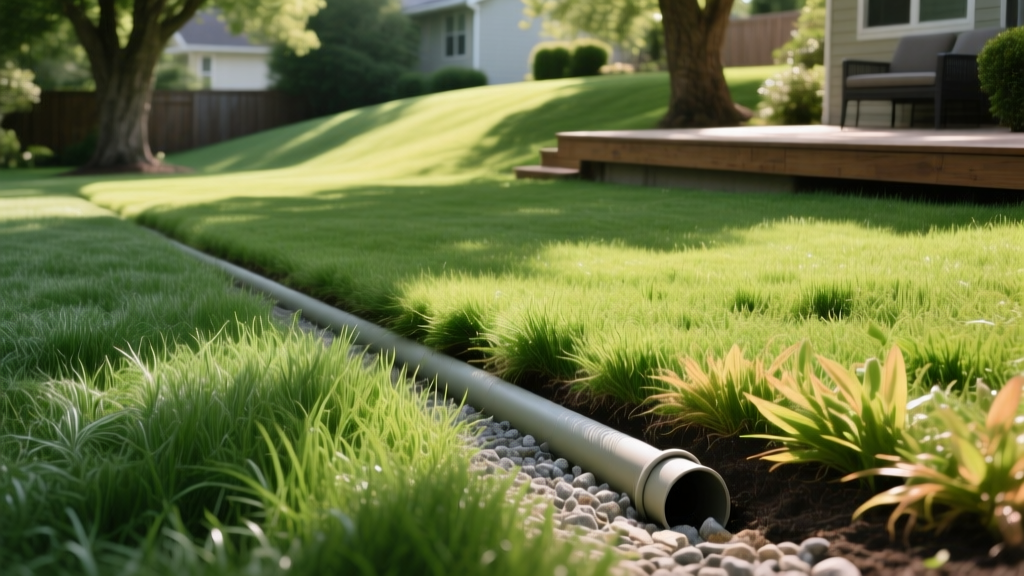
2026 Shade Grass: Fine Fescue vs St Augustine Drainage
Robert HayesPublished
The Hidden Enemy of Shade Lawns: Subsurface Moisture
When homeowners think about establishing a lush lawn under the dense canopy of mature trees, the immediate focus is almost always on light deprivation. However, as we navigate the 2026 growing season, turfgrass experts are emphasizing a secondary, often overlooked factor that dictates shade lawn success: soil moisture retention. Shaded areas experience significantly lower rates of evapotranspiration. Without direct sunlight to dry the soil surface, water lingers, leading to compaction, shallow root systems, and devastating fungal diseases. This is where the strategic installation of a landscape drainage pipe becomes the ultimate game-changer for shade-tolerant grasses.
Choosing between cool-season Fine Fescue and warm-season St. Augustine grass requires more than just knowing your USDA hardiness zone. It requires understanding how each grass interacts with soil moisture and how subsurface drainage infrastructure can create the ideal micro-environment for their roots. According to turf researchers at the University of Minnesota Turfgrass Science program, managing soil hydrology is just as critical as selecting the right seed or sod for shaded environments.
Fine Fescue vs. St. Augustine: A 2026 Shade Grass Breakdown
Before digging trenches for drainage pipes, you must understand the specific physiological needs of your chosen grass. Fine Fescue and St. Augustine represent the pinnacle of shade tolerance in their respective climate categories, but their relationship with water is vastly different.
Fine Fescue (The Cool-Season Champion)
Fine Fescue is actually a blend of several species, including Chewings, Creeping Red, and Hard Fescue. It is the undisputed king of northern shade lawns. However, Fine Fescue has a relatively shallow root system and is highly susceptible to root rot and Pythium blight if forced to sit in saturated soils. It demands well-drained, aerated soil to thrive. If your shaded yard holds water like a sponge, Fine Fescue will quickly thin out and die, regardless of how perfectly you manage your fertilizer schedule.
St. Augustine (The Warm-Season Heavyweight)
For southern lawns, St. Augustine grass (particularly shade-tolerant cultivars like Palmetto or Seville) is the go-to choice. It spreads via aggressive above-ground stolons, creating a dense carpet that chokes out weeds. While St. Augustine can tolerate slightly more moisture than Fine Fescue, it is notoriously vulnerable to Take-All Root Rot and Brown Patch when subjected to prolonged waterlogging in shaded areas. Experts at Texas A&M AgriLife Extension consistently note that improving soil drainage is the primary cultural control for these devastating fungal pathogens.
| Feature | Fine Fescue | St. Augustine |
|---|---|---|
| Climate Zone | Cool-Season (Northern US) | Warm-Season (Southern US) |
| Shade Tolerance | Excellent | Very Good |
| Moisture Preference | Dry to Moderate (Hates wet feet) | Moderate (Tolerates brief wetness) |
| Primary Shade Disease | Pythium Blight, Root Rot | Take-All Root Rot, Brown Patch |
| Establishment Method | Seed | Sod, Plugs, or Sprigs |
| Drainage Requirement | High (Requires rapid percolation) | Moderate-High (Needs consistent dry-out) |
Why Landscape Drainage Pipes are Non-Negotiable
In 2026, surface grading alone is rarely sufficient for shaded zones. Tree root systems create complex, uneven subterranean topography that traps water in hidden micro-depressions. Furthermore, the constant drip-line effect from tree canopies concentrates rainfall into specific rings around the trunk. To combat this, installing a subsurface landscape drainage pipe network is essential.
Choosing the Right Drainage Pipe
When selecting materials for a shade lawn drainage system, you generally have two options: flexible corrugated HDPE pipe and rigid Schedule 40 PVC. For shaded areas dominated by mature trees, rigid perforated PVC wrapped in a geotextile sock is the industry standard. Tree roots are notorious for seeking out the moisture inside flexible corrugated pipes, eventually crushing or clogging them. Rigid PVC resists root intrusion and soil pressure, ensuring your drainage infrastructure lasts for decades.
Step-by-Step: Installing Drainage Pipes in Shaded Zones
Integrating a drainage system beneath an existing tree canopy requires precision and care to avoid severing critical structural roots. Follow these steps to prepare your yard for Fine Fescue or St. Augustine.
- Step 1: Mapping and Air-Trenching. Map out the natural low points where water pools after a storm. Instead of using a mechanical trencher that will destroy tree roots, use an air spade or carefully hand-dig trenches. Trenches should be 12 to 18 inches deep and follow a gentle slope toward your designated discharge point (like a storm drain or dry well).
- Step 2: Gravel Bedding. Line the bottom of the trench with 2 to 3 inches of washed, angular gravel. This provides a stable base and allows water to easily enter the pipe from below.
- Step 3: Pipe Placement and Slope. Lay your perforated PVC pipe with the holes facing downward. This counterintuitive placement prevents soil from washing directly into the holes while allowing the water table to rise into the pipe. Ensure a minimum slope of 1/8 inch per foot to maintain steady flow.
- Step 4: Gravel Encasement and Fabric. Cover the pipe with more washed gravel until it is a few inches below the soil surface. Wrap the entire gravel bed in a high-quality geotextile landscape fabric to prevent fine silt and clay from migrating into the gravel and clogging the system.
- Step 5: Topsoil Backfilling. Backfill the remaining trench with a sandy loam topsoil mix. Sandy loam is critical for shade lawns as it promotes rapid surface drainage down into your pipe network.
Soil Preparation and Grass Establishment Post-Drainage
Once your landscape drainage pipe system is backfilled and tested, it is time to establish your shade-tolerant grass. The newly amended, well-drained soil will provide the perfect foundation.
Establishing Fine Fescue
For northern climates, early fall is the optimal time to seed Fine Fescue. Because the drainage pipe has eliminated standing water, you can confidently apply a starter fertilizer without fear of it washing away into puddles. Broadcast the seed at a rate of 4 to 5 pounds per 1,000 square feet. Keep the top inch of soil consistently moist—but not soggy—until germination occurs. The subsurface pipe will safely wick away any excess water from your frequent light waterings.
Establishing St. Augustine
In southern regions, late spring to early summer is the window for St. Augustine. Because seed is rarely viable for commercial St. Augustine cultivars, you will be using sod or plugs. When laying sod over your newly trenched and backfilled drainage lines, ensure the soil is lightly rolled to eliminate air pockets between the sod roots and the sandy loam backfill. Water deeply immediately after installation to encourage the stolons to knit into the well-drained soil below.
Long-Term Maintenance Routines for Drained Shade Lawns
With the hydrology of your shaded lawn corrected by the drainage pipe network, your ongoing maintenance routines will shift. The USDA Natural Resources Conservation Service emphasizes that proper water management reduces the need for chemical interventions, leading to a more sustainable lawn ecosystem.
- Mowing Heights: Shade grasses need as much leaf surface area as possible to capture limited sunlight. Mow Fine Fescue at 3 to 4 inches. Mow St. Augustine at 3 to 4 inches as well; cutting it too short in the shade will stress the plant and invite weed invasion.
- Irrigation Adjustments: Because your landscape drainage pipe prevents waterlogging, you might be tempted to overwater. Resist this urge. Shaded lawns require roughly 50% less water than lawns in full sun. Water deeply but infrequently, allowing the top layer of soil to dry out between sessions. The drainage pipe will handle any heavy, unexpected summer downpours, protecting the grass from sudden saturation.
- Fertilization: Shade grasses grow slower than sun-loving varieties. Apply only 1 to 2 pounds of nitrogen per 1,000 square feet annually. Over-fertilizing shade grass leads to lush, weak growth that is highly susceptible to disease, even in well-drained soils.
- Leaf Management: Keep the lawn free of fallen autumn leaves. Leaves trap moisture against the soil surface, defeating the purpose of your subsurface drainage system and smothering the grass.
Conclusion
Selecting between Fine Fescue and St. Augustine is only the first step in conquering a shaded landscape. The true secret to a dense, vibrant, and disease-free shade lawn in 2026 lies beneath the surface. By investing in a high-quality landscape drainage pipe system, you take control of the soil environment, mitigating the risks of waterlogging and fungal pathogens. Whether you are seeding a cool-season fescue blend or plugging a warm-season St. Augustine cultivar, proper subsurface drainage ensures your grass has the dry, oxygen-rich root zone it needs to thrive under the canopy for years to come.