Lawn Care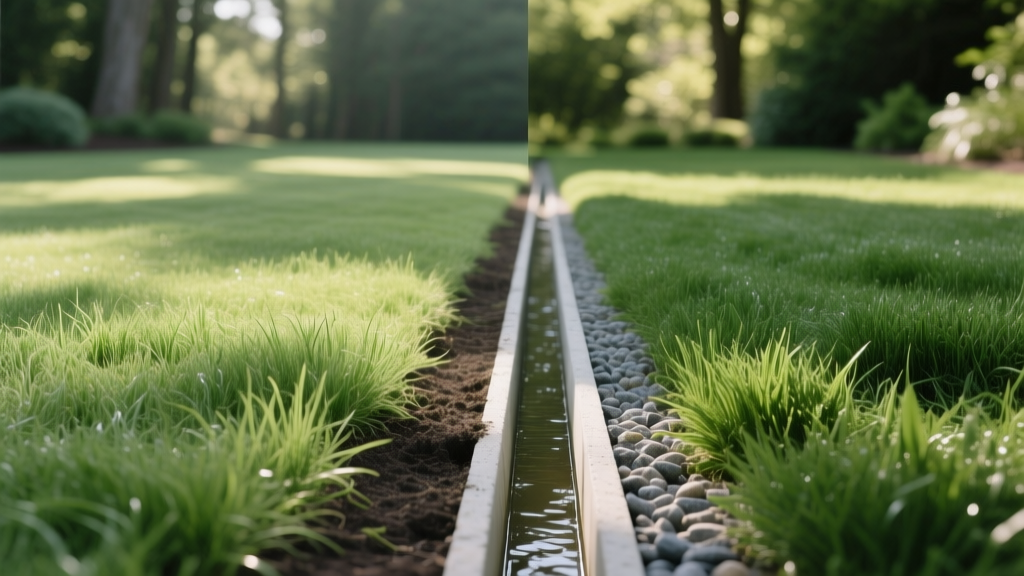
2026 Shade Grass Guide: Fine Fescue vs St Augustine & Drainage
James MillerPublished
The Shaded Lawn Dilemma: Why Sun Deprivation Means Water Retention
Creating a lush, vibrant lawn in heavily shaded areas is one of the most persistent challenges in modern landscaping. As we navigate the shifting climate patterns of 2026, homeowners are increasingly dealing with prolonged spring rainfall and unpredictable moisture levels. When a lawn is shaded by dense tree canopies or towering structures, the soil is deprived of the ultraviolet light and thermal energy required to evaporate excess surface moisture. The result is a perpetually damp, soggy environment that suffocates grassroots and invites devastating fungal pathogens.
While selecting the right shade-tolerant grass species is critical, it is entirely futile if the underlying hydrology of your yard is ignored. Before you spend thousands of dollars on premium seed or sod, you must address the soil moisture. This is where professional-grade French drain installation becomes the ultimate prerequisite for shade lawn success. By actively intercepting and redirecting subsurface water, a French drain transforms a boggy, unusable shade trap into a well-aerated foundation capable of supporting elite turfgrasses like Fine Fescue and St. Augustine.
The French Drain Prerequisite: Rescuing Your Shade Lawn
A French drain is a subsurface drainage system consisting of a perforated pipe surrounded by washed gravel and wrapped in a permeable geotextile fabric. In shaded environments, the lack of solar evaporation means that even minor grading issues or high water tables will lead to surface pooling. Tree roots, which dominate shaded landscapes, further complicate matters by creating uneven topography and compacting the soil as they expand near the surface.
Installing a French drain in a shaded yard requires careful planning to avoid severing the critical structural roots of your canopy trees. In 2026, arborists and landscape architects strongly recommend using pneumatic air spades to excavate trenches near mature trees, gently blowing away soil without slicing through vital root systems. Once a safe trench is established—typically 12 to 18 inches deep and sloped at a minimum grade of 1% (one inch of drop per eight feet of run)—the system is ready to be assembled. This subsurface network acts as an artificial aquifer, capturing the stagnant water that would otherwise drown your shade-tolerant grass.
Material Selection for 2026: Building a Drain That Lasts
The landscaping industry has seen significant shifts in drainage materials over the last few years. If you are installing a French drain to support a new Fine Fescue or St. Augustine lawn this year, avoid the flimsy, black corrugated flexible pipes that were popular in the past. These pipes easily crush under soil pressure and their slotted perforations are highly susceptible to clogging from fine clay particles and root intrusion.
Instead, opt for rigid 4-inch SDR 35 PVC pipe with pre-drilled holes facing downward. This modern standard ensures structural integrity, allowing the pipe to bear the weight of heavy soil and foot traffic without collapsing. Furthermore, wrap the pipe and washed drain rock (typically 3/4-inch crushed gravel) in a non-woven geotextile fabric. This fabric acts as a soil separator, preventing fine silt from migrating into the gravel bed and clogging the system over time. By investing in these premium materials, you guarantee that your drainage infrastructure will outlast the lifespan of your turfgrass.
Fine Fescue: The Cool-Season Shade Champion
For homeowners in northern and transition zones, Fine Fescue is the undisputed king of shade tolerance. This cool-season grass category includes creeping red fescue, chewings fescue, and hard fescue. According to turfgrass researchers at Penn State Extension, Fine Fescues possess a unique physiological ability to photosynthesize efficiently in low-light conditions where traditional Kentucky Bluegrass would quickly thin out and die.
However, Fine Fescue has a fatal flaw: it absolutely despises 'wet feet.' Its root system is relatively shallow and highly sensitive to prolonged saturation. In a shaded yard without a French drain, Fine Fescue will rapidly succumb to Pythium blight and root rot during humid summer months. By installing a French drain, you lower the water table and introduce vital oxygen to the soil profile, creating the precise 'dry shade' environment that Fine Fescue requires to form a dense, carpet-like turf. Post-drainage, the soil should be amended with organic compost to improve moisture retention during dry spells, striking the perfect hydrological balance.
St. Augustine: The Warm-Season Shade Contender
For southern and coastal landscapes, St. Augustine grass remains the premier choice for shaded lawns. Modern cultivars developed for 2026, such as 'CitraBlue' and 'Palmetto', exhibit vastly superior shade tolerance compared to older varieties like 'Floratam'. St. Augustine features a coarse, broad leaf blade that captures limited sunlight effectively, and its aggressive stoloniferous growth habit allows it to quickly recover from environmental stress.
While St. Augustine handles moisture slightly better than Fine Fescue, it is still highly vulnerable to fungal diseases like Brown Patch and Gray Leaf Spot when trapped in wet, shaded, and poorly drained soils. The dense thatch layer characteristic of St. Augustine can act like a sponge, trapping surface water against the soil. A properly installed French drain mitigates this risk by rapidly pulling excess gravitational water away from the root zone. As noted by experts at Texas A&M AgriLife Extension, managing soil moisture and reducing thatch buildup are the two most critical factors in maintaining a healthy, shaded St. Augustine lawn.
Head-to-Head Comparison: Fine Fescue vs. St. Augustine
| Feature | Fine Fescue (Cool-Season) | St. Augustine (Warm-Season) |
|---|---|---|
| Best Climate Zones | Northern, Transition Zones | Southern, Coastal, Subtropical |
| Shade Tolerance | Exceptional (Best in class) | Very Good (Cultivar dependent) |
| Moisture Sensitivity | Extremely High (Requires French Drain) | Moderate (Drainage prevents fungus) |
| Growth Habit | Bunch-type / Rhizomatous | Above-ground Stolons |
| Planting Method | Seed or Plugs | Sod, Plugs, or Sprigs |
| 2026 Top Cultivars | Shadekeeper, Spartan II | CitraBlue, Palmetto |
Integrating Turf Installation with Your New French Drain
Once your French drain is backfilled and the topsoil is graded to flow gently away from your home's foundation, you are ready to establish your shade lawn. The timing of your planting is crucial and depends entirely on the grass species you have selected.
If you are planting Fine Fescue, wait until early fall. The soil is still warm from the summer, which encourages rapid seed germination, but the air temperatures are cooling down, reducing the stress on young seedlings. Because the French drain has eliminated surface pooling, you can broadcast your seed evenly and apply a light layer of straw mulch without fear of the seed washing away in heavy autumn rains.
If you are laying St. Augustine sod or plugs, schedule the installation for late spring or early summer, once the soil temperature consistently exceeds 65°F. St. Augustine requires heat to establish its aggressive root system. When laying sod over a French drain trench, ensure the soil beneath the trench is thoroughly tamped down to prevent future settling, which could create a depression that traps water and defeats the purpose of your drainage system.
2026 Smart Irrigation and Maintenance for Drained Shade Lawns
Even with a French drain in place, shaded lawns require significantly less irrigation than lawns in full sun. In 2026, integrating a smart irrigation controller with localized soil moisture sensors is highly recommended. These sensors can be placed in the shaded, drained zones to monitor real-time volumetric water content. Because the French drain rapidly removes excess water, the soil will dry out more evenly, allowing the smart controller to apply precise, micro-doses of water only when the grass truly needs it.
Furthermore, manage your tree canopy annually. Hiring a certified arborist to perform 'crown thinning' or 'limbing up' the lower branches of your shade trees will allow dappled sunlight to reach the lawn. This combination of strategic canopy management, subsurface French drainage, and the selection of elite shade-tolerant cultivars like Fine Fescue or St. Augustine guarantees a resilient, beautiful lawn that defies the challenges of the shade.