Lawn Care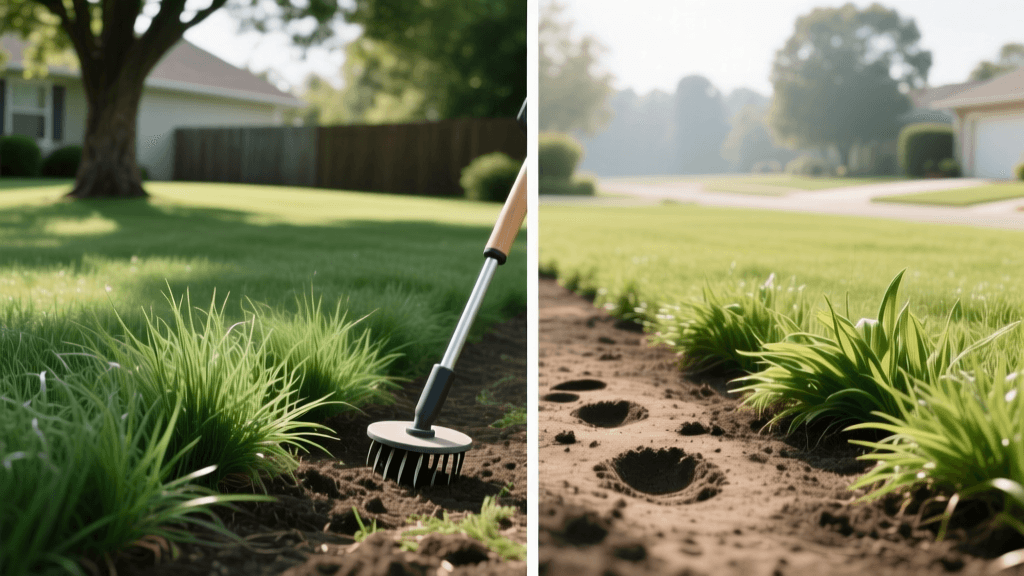
Fine Fescue vs St Augustine Shade Lawns: 2026 Aeration Guide
The Shade Dilemma: Fine Fescue vs. St. Augustine in 2026
Maintaining a lush lawn in shaded areas remains one of the most persistent challenges for homeowners. As we navigate the 2026 growing season, shifting climate patterns and heavier spring rainfall in many regions have exacerbated a hidden enemy of shade lawns: soil compaction. When selecting a shade-tolerant grass, homeowners generally choose between Fine Fescue, a premier cool-season option, and St. Augustine, a dominant warm-season contender. However, choosing the right seed or sod is only half the battle. The true secret to a thriving shaded lawn lies beneath the surface, specifically in how you manage core aeration to combat the unique compaction issues found under tree canopies.
Why Shaded Lawns Suffer from Severe Compaction
Shaded environments create a microclimate that directly impacts soil structure. Tree canopies block sunlight, which drastically reduces soil surface evaporation. Consequently, shaded soils remain damp and spongy for much longer than sun-drenched areas. When foot traffic or pet activity occurs on this perpetually soft soil, the dirt particles are easily crushed together, squeezing out vital oxygen and water pathways. Furthermore, mature trees possess massive, shallow root systems that compete aggressively for nutrients and physically alter the soil topography. According to Penn State Extension, compacted soil restricts root penetration, forcing grasses to develop shallow, weak root systems that are highly susceptible to drought stress and disease. Core aeration is the mechanical process of extracting soil plugs to relieve this pressure, but the approach must be tailored to your specific grass type.
Fine Fescue: Cool-Season Shade Champion and Aeration Needs
Fine Fescue encompasses several species, including creeping red, chewings, hard, and sheep fescues. It is widely regarded as the most shade-tolerant cool-season grass available. According to UMass Amherst Extension, Fine Fescues thrive in low-light environments and require significantly less nitrogen than traditional Kentucky Bluegrass. However, their bunch-type growth habit and fine root systems make them incredibly sensitive to soil compaction. In shaded areas, Fine Fescue roots will quickly suffocate if the soil becomes hard-packed.
Aeration Timing and Technique for Fine Fescue
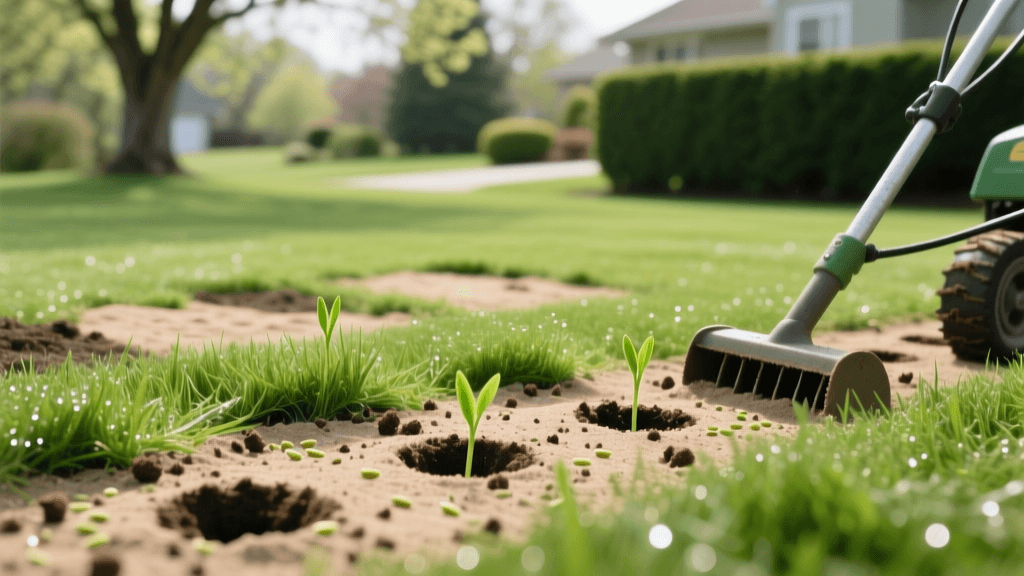
For Fine Fescue, the optimal time for core aeration is early fall, typically between late August and mid-October, depending on your hardiness zone. Fall aeration coincides with the grass's peak growth period, allowing rapid recovery and deep root expansion before winter dormancy. Because Fine Fescue is a bunchgrass, it does not spread laterally via stolons or rhizomes to fill in bare spots. Therefore, core aeration in 2026 is almost always paired with overseeding. The aeration holes provide perfect, protected micro-environments for new fescue seeds to establish soil contact, safely hidden from foraging birds and shaded from harsh UV rays.
St. Augustine: Warm-Season Shade Titan and Aeration Needs
St. Augustine grass is the undisputed king of warm-season shade tolerance. Cultivars like Palmetto and Seville have been specifically bred to thrive with as little as three to four hours of dappled sunlight. According to NC State TurfFiles, St. Augustine features a coarse texture and spreads aggressively via above-ground stems known as stolons. While it handles shade well, St. Augustine is notorious for developing a thick thatch layer—a dense mat of living and dead organic matter that sits between the soil surface and the green grass blades.
Aeration Timing and Technique for St. Augustine
Unlike Fine Fescue, St. Augustine must be aerated during its active summer growth phase, ideally from late May through June. Aerating a warm-season grass in the fall or early spring invites weed invasion and leaves the lawn vulnerable to cold damage. The primary challenge with core aerating St. Augustine is the stolon network. Heavy, aggressive core aeration can sever too many stolons, temporarily stressing the lawn and disrupting its lateral spread. In 2026, many turf professionals recommend a hybrid approach for St. Augustine: shallow core aeration combined with liquid aeration products containing saponins and humic acids to break up subsurface tension without tearing the delicate above-ground stolon mat.
Head-to-Head Comparison: Aeration and Shade Tolerance
Understanding the distinct physiological differences between these two grasses is critical for planning your 2026 lawn care calendar. The table below outlines the core aeration parameters for both grass types in shaded environments.
| Feature | Fine Fescue (Cool-Season) | St. Augustine (Warm-Season) |
|---|---|---|
| Shade Tolerance | Excellent (Requires 2-4 hrs dappled sun) | Very Good (Requires 3-5 hrs dappled sun) |
| Growth Habit | Bunch-type / Slow creeping | Aggressive above-ground stolons |
| Best Aeration Window | Early Fall (Late Aug - Oct) | Late Spring / Early Summer (May - June) |
| Thatch Risk | Low to Moderate | High (Requires dethatching pre-aeration) |
| Post-Aeration Action | Overseeding and light compost topdressing | Stolon-friendly liquid aeration supplements |
| Core Extraction Depth | 2 to 3 inches | 1.5 to 2.5 inches (to protect stolons) |
Step-by-Step Core Aeration Guide for Shaded Lawns
Whether you are managing a Fine Fescue lawn in the Pacific Northwest or a St. Augustine lawn in the humid Southeast, executing a proper core aeration requires precision. Shaded soils are tricky; they are often either too wet or rock-hard beneath the surface. Follow these steps for optimal results in 2026.
1. The Screwdriver Moisture Test
Never aerate a muddy lawn, as the heavy machinery will cause further compaction and tear the turf. Conversely, aerating bone-dry soil will result in shallow, ineffective holes. Use a 6-inch screwdriver and push it into the soil. It should penetrate with moderate resistance. If the soil is too dry, water the shaded area deeply 24 hours before aeration. If it is too wet, wait for a few days of drying weather.
2. Mowing and Thatch Management
For Fine Fescue, mow slightly lower than usual (around 2 inches) to allow the aerator tines to penetrate deeply and to ensure overseed reaches the soil. For St. Augustine, maintain its preferred height (3 to 4 inches) but aggressively rake or use a vertical mower to remove excess thatch. If the thatch layer exceeds half an inch, water and nutrients will never reach the soil, rendering your aeration efforts useless.
3. The Aeration Pass
Rent a walk-behind drum aerator or a stand-on commercial unit. In 2026, expect to pay between $90 and $130 per day for a quality walk-behind rental. Make one pass over the entire shaded lawn. For heavily compacted areas beneath the drip line of large trees, make a second pass at a 45-degree angle to the first. Leave the extracted soil plugs on the lawn; they contain beneficial microbes that will break down and act as a natural topdressing over the next few weeks.
4. Amendment and Topdressing
Shaded soils under trees are often highly acidic due to decaying oak or pine leaves. After aerating, apply a thin layer (about 1/4 inch) of screened compost. For Fine Fescue, immediately broadcast your shade-tolerant seed mixture over the compost. For St. Augustine, apply a balanced, slow-release organic fertilizer to fuel stolon recovery. Water the lawn lightly every day for the first two weeks to keep the aeration holes and new seed moist.
The 2026 Shift Toward Liquid Aeration Supplements
While mechanical core aeration remains the gold standard for physically removing soil mass, the turf science industry in 2026 has heavily embraced liquid aeration as a vital companion treatment, especially for delicate shade lawns. Liquid aerators utilize advanced soil surfactants and humic substances to chemically break the ionic bonds that cause clay particles to lock together. For St. Augustine lawns where aggressive coring might damage the stolon network, applying a high-quality liquid aerator two weeks after a shallow core aeration can dramatically improve water infiltration and oxygen exchange without the physical trauma to the grass.
Final Thoughts on Shade Lawn Selection
Selecting between Fine Fescue and St. Augustine ultimately depends on your geographic climate zone and the specific light dynamics of your yard. However, neither grass will reach its full genetic potential in the shade if the soil beneath it is suffocating. By understanding the distinct root architectures and seasonal growth patterns of these two grasses, you can time your core aeration perfectly. Relieving compaction is the single most effective way to transform a thin, mossy, and struggling shaded lawn into a dense, resilient carpet of grass that can withstand the unique challenges of the understory environment.