Lawn Care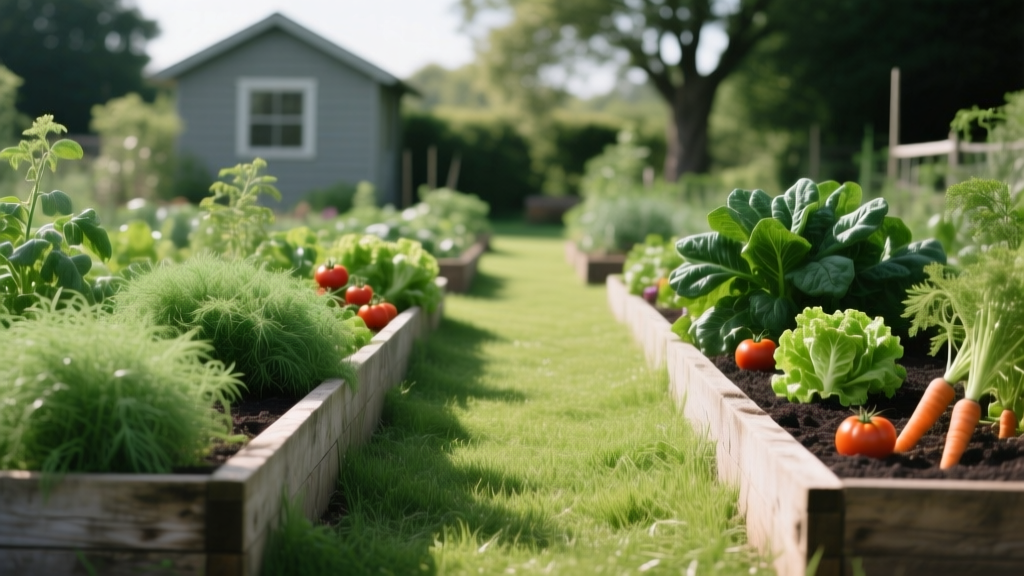
2026 Shade Lawn Guide: Fine Fescue vs St Augustine for Raised Beds
Mike RodriguezPublished
The Challenge of Shade in Raised Bed Vegetable Gardens
As raised bed vegetable gardening continues to surge in popularity throughout 2026, homeowners are increasingly integrating these productive structures into their existing landscapes. However, placing raised beds often introduces complex shading issues. Whether your garden is bordered by a privacy fence, nestled under the canopy of mature oak trees, or simply casting long afternoon shadows from the beds themselves, the surrounding lawn and pathways face a significant light deficit. Choosing the right shade-tolerant grass for these garden borders and walkways is critical not only for aesthetics but also for mud control, soil erosion prevention, and maintaining a healthy ecosystem adjacent to your edible crops.
When selecting a turfgrass for the shaded areas surrounding your raised beds, two primary contenders emerge depending on your climate zone: Fine Fescue for cool-season regions and St. Augustine for warm-season zones. Both offer excellent shade tolerance, but their growth habits, water requirements, and interactions with nearby vegetable beds differ drastically. In this comprehensive 2026 guide, we will break down the pros and cons of Fine Fescue versus St. Augustine grass specifically through the lens of raised bed vegetable gardening.
The Microclimate of Raised Bed Pathways
Before diving into specific grass species, it is essential to understand the unique microclimate created by modern raised beds. In 2026, the standard height for raised beds has shifted toward 18 to 24 inches to improve ergonomics and soil drainage. While this is excellent for your tomatoes and root vegetables, these tall structures cast substantial shadows on the adjacent lawn, particularly on the north and east sides of the garden. Furthermore, the pathways between beds are often narrow, restricting airflow and sunlight penetration. The grass you select for these borders must thrive in low-light conditions while tolerating the occasional foot traffic of a gardener carrying heavy buckets of compost or harvested produce.
Fine Fescue: The Cool-Season Shade Champion
For gardeners in USDA Hardiness Zones 3 through 7, Fine Fescue is widely considered the premier choice for shaded lawn areas. The term "Fine Fescue" actually encompasses several species, including Chewings fescue, creeping red fescue, hard fescue, and sheep fescue. According to the University of Minnesota Extension, these finely textured turfgrasses are uniquely adapted to low-light environments and require significantly less nitrogen and water than traditional Kentucky Bluegrass or Tall Fescue.
Pros for Raised Bed Borders
- Non-Invasive Growth Habit: Most fine fescues are bunch-type grasses or possess very slow, short creeping rhizomes. This is a massive advantage for raised bed gardeners because the grass will not aggressively invade the loose, nutrient-rich soil of your vegetable beds.
- Low Maintenance: The "No Mow" or low-mow fescue blends trending in 2026 are perfect for garden perimeters. They grow slowly and can be left slightly longer, creating a soft, meadow-like border that requires minimal mowing.
- Drought Tolerance: Fine fescues have deep root systems relative to their water needs, meaning they won't compete heavily with your raised beds for groundwater during mid-summer dry spells.
Cons for Raised Bed Borders
- Wear Tolerance: Fine fescue is not highly tolerant of heavy, concentrated foot traffic. If your garden pathways are narrow and frequently walked on, the grass may thin out, leading to bare, muddy spots.
- Summer Dormancy: In the heat of summer, fine fescue can go dormant and turn brown, which may look unappealing next to lush, green vegetable plants.
St. Augustine: The Warm-Season Shade Survivor
For homeowners in Zones 8 through 11, Fine Fescue will not survive the intense summer heat. In these warm-season regions, St. Augustine grass is the undisputed king of shade tolerance. Modern 2026 cultivars like CitraBlue and Palmetto have been specifically bred for improved disease resistance and superior performance in the dappled shade of southern landscapes.
Pros for Raised Bed Borders
- Unmatched Shade Tolerance: St. Augustine can thrive in areas that receive as little as three to four hours of direct or filtered sunlight, making it ideal for the deep shadows cast by tall raised beds and southern tree canopies.
- Dense Weed Suppression: Because it spreads via thick, above-ground stolons, St. Augustine forms a dense, carpet-like mat that naturally chokes out broadleaf weeds, reducing the need for herbicides near your edible crops.
- High Traffic Tolerance: The spongy, thick nature of St. Augustine holds up well to the foot traffic and wheelbarrow use common in active vegetable gardens.
Cons for Raised Bed Borders
- Aggressive Bed Invasion: The same stolons that make St. Augustine great at suppressing weeds also make it a nightmare if it breaches your raised beds. It will rapidly creep into your vegetable soil, stealing nutrients and water from your crops.
- High Water and Nutrient Needs: St. Augustine requires frequent irrigation and regular fertilization, which can complicate water management when trying to maintain consistent moisture levels for adjacent root vegetables.
Head-to-Head Comparison Chart
| Feature | Fine Fescue (Cool-Season) | St. Augustine (Warm-Season) |
|---|---|---|
| Primary Climate Zones | Zones 3 - 7 | Zones 8 - 11 |
| Shade Tolerance | Excellent (requires 3-4 hrs light) | Excellent (requires 3-4 hrs light) |
| Growth Habit | Bunch-type / Slow rhizomes | Aggressive above-ground stolons |
| Raised Bed Invasion Risk | Low | Very High (requires physical barriers) |
| Foot Traffic Tolerance | Moderate to Low | High |
| Water Requirements | Low | Moderate to High |
| Weed Suppression | Moderate (can thin in heat) | High (forms dense mat) |
Physical Edging: The Secret to Coexistence
If you opt for St. Augustine grass around your raised beds, installing a robust physical edging barrier is non-negotiable. Because St. Augustine spreads via stolons (runners) that crawl along the soil surface, a simple trench will not stop it. In 2026, landscape professionals recommend installing heavy-duty steel or thick polyethylene edging that extends at least two inches above the soil line and six inches below it. This prevents the stolons from creeping over the top or rooting underneath the barrier and into your vegetable soil. For Fine Fescue, a simple decorative trench or a shallow brick border is usually sufficient, as the grass lacks the aggressive creeping mechanisms of its warm-season counterpart.
Organic Lawn Care Adjacent to Edibles
One of the most critical considerations when maintaining the lawn immediately surrounding a raised bed vegetable garden is chemical drift and soil leaching. Standard synthetic lawn herbicides containing 2,4-D or dicamba can easily volatilize in the summer heat or wash into your raised beds during heavy rains, devastating your broadleaf vegetable crops like peppers, tomatoes, and squash. According to turf management experts at NC State TurfFiles, maintaining a healthy, dense turf is the best defense against weeds, but when intervention is needed near edibles, organic methods are mandatory.
For both Fine Fescue and St. Augustine borders, rely on OMRI-listed (Organic Materials Review Institute) products. Use corn gluten meal in early spring for pre-emergent weed control, and spot-treat any rogue weeds in the pathways with horticultural vinegar or manual extraction. When fertilizing the lawn borders, utilize slow-release organic fertilizers like feather meal or composted poultry manure. These not only feed the turf but also support the soil microbiome, ensuring that any runoff entering the raised beds is beneficial rather than harmful.
Final Verdict for the 2026 Gardener
Ultimately, the choice between Fine Fescue and St. Augustine for your raised bed pathways and borders is dictated by your geographic climate zone and your willingness to install physical barriers. If you live in a cooler climate and want a low-maintenance, non-invasive border that stays out of your vegetable soil, a Fine Fescue blend is the superior choice. If you are in a hot, southern climate and need a durable, shade-tolerant carpet that can handle heavy garden traffic and suppress weeds, St. Augustine is your best ally—provided you invest in proper steel edging to protect your harvest. By matching the right grass to your garden's specific microclimate and maintenance philosophy, you can create a seamless, beautiful, and highly productive landscape in 2026 and beyond.