Gardening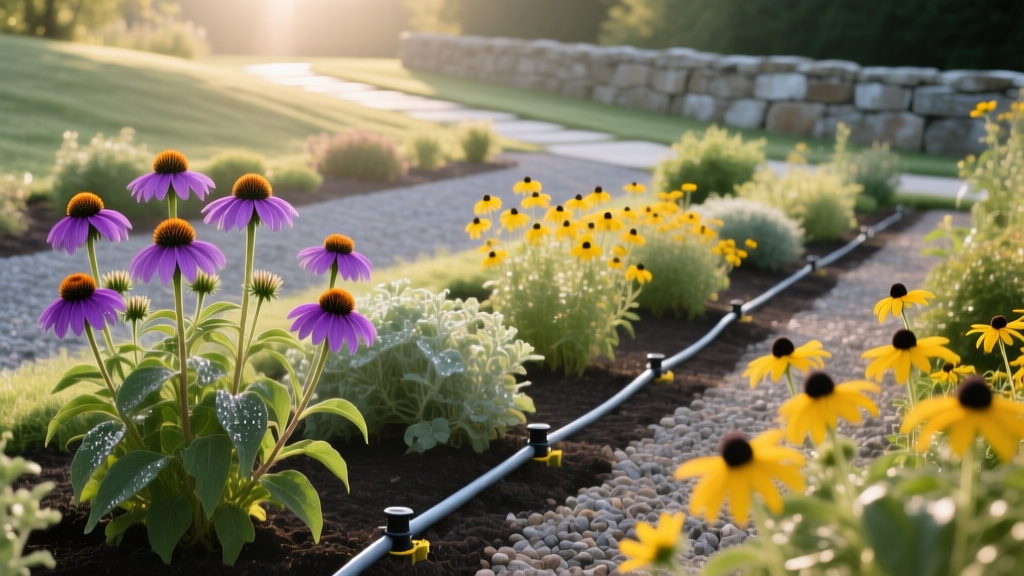
2026 Fire-Resistant Garden Design: Coneflower & Black-Eyed Susan
Sarah ChenPublished
The Evolution of Fire-Resistant Landscaping in 2026
The evolution of fire-resistant landscaping in 2026 has shifted away from the sterile, rock-only yards of the past decade toward vibrant, ecologically supportive, and fire-smart perennial gardens. Homeowners in wildland-urban interface (WUI) zones are increasingly seeking ways to maintain curb appeal and support local pollinators without compromising their home's defensible space. According to the California Department of Forestry and Fire Protection (CAL FIRE), the cornerstone of modern defensible space is not the complete removal of vegetation, but the strategic selection, spacing, and maintenance of plants to disrupt fire pathways. When designing a perennial flower garden in 2026, two native-adapted powerhouses stand out for their beauty, resilience, and fire-smart characteristics when properly managed: the Purple Coneflower (Echinacea purpurea) and the Black-Eyed Susan (Rudbeckia fulgida).
Why Coneflowers and Black-Eyed Susans?
Both Echinacea and Rudbeckia belong to the Asteraceae family and share similar growth habits, making them ideal companions in a sunny, well-drained garden bed. From a fire-resistance perspective, herbaceous perennials are generally preferred over woody shrubs and trees in the immediate vicinity of a home. During their active growing season in spring and summer, coneflowers and Black-Eyed Susans possess thick, moisture-rich leaves and stems. This high water content makes them highly resistant to ignition, even when exposed to radiant heat. Furthermore, unlike conifers or eucalyptus, these perennials do not produce volatile resins, oils, or saps that can explode or ignite rapidly during a wildfire event.
The National Fire Protection Association (NFPA) emphasizes the concept of creating a "Lean, Clean, and Green" zone immediately surrounding structures. Because coneflowers and Black-Eyed Susans grow relatively low to the ground (typically reaching 2 to 3 feet in height), they do not provide the vertical "ladder fuels" that allow ground fires to climb into the tree canopy or reach rooflines. Their clumping growth habit also allows for strategic spacing, which is critical for breaking up continuous fuel beds.
The Caveat: Winter Dormancy and Fuel Loads
It is vital to understand that no plant is entirely fireproof. The primary vulnerability of Echinacea and Rudbeckia occurs during late fall and winter when the plants enter dormancy. The once-green stalks and flower heads dry out, becoming brittle, papery, and highly flammable. If left unmanaged, a dense bed of dormant coneflowers can act as a wick for wind-blown embers. Therefore, the fire-resistance of these perennials is entirely dependent on rigorous, seasonal maintenance and strategic garden design.
Strategic Garden Design and Zone Placement
In 2026, fire-wise landscaping relies heavily on the concept of defensible space zones. Zone 1 extends from 0 to 30 feet from your home, while Zone 2 extends from 30 to 100 feet. Coneflowers and Black-Eyed Susans are best utilized in Zone 1, provided they are planted in isolated "islands" rather than continuous, sprawling beds.
- Island Planting: Group your perennials in clumps of 3 to 5 plants, separated by at least 3 to 5 feet of non-combustible hardscaping, such as decomposed granite, flagstone, or concrete pavers. This prevents a fire from spreading laterally through the garden bed.
- Distance from Structures: Keep all perennial beds at least 5 feet away from the foundation of your home, wooden decks, and fences. The immediate 5-foot perimeter should be strictly non-combustible (e.g., gravel or concrete).
- Canopy Clearance: Ensure that your perennial beds are not planted directly beneath the overhanging branches of trees. Maintain a vertical clearance of at least 10 feet between the top of your perennials and the lowest tree branches to prevent ladder fueling.
Soil Preparation, Mulching, and Irrigation
Maintaining the high moisture content of your coneflowers and Black-Eyed Susans during the dry summer months is essential for their fire-resistant properties. This requires efficient soil preparation and modern irrigation techniques.
Irrigation Strategies
Overhead sprinklers are inefficient and can promote fungal diseases like powdery mildew, which weakens plants and causes premature die-back (creating dry fuel). In 2026, the standard for fire-smart perennial beds is sub-surface or inline drip irrigation. Systems like Netafim Techline CV are highly recommended, costing approximately $0.40 to $0.55 per linear foot. Install drip lines in a grid pattern spaced 12 inches apart beneath the soil surface. This delivers water directly to the root zone, keeping the plants deeply hydrated while keeping the surface soil and mulch relatively dry, reducing the risk of surface-level ignition.
The Mulching Dilemma
Mulch is excellent for soil moisture retention, but it can be a severe fire hazard if chosen incorrectly. Never use pine bark, shredded cedar, or straw near your home, as these materials ignite easily and can smolder for days. According to research highlighted by the University of California Agriculture and Natural Resources (UC ANR), composted wood chips applied at a depth of 2 to 3 inches are relatively fire-resistant when kept moist. However, the safest option for Zone 1 perennial beds in 2026 is inorganic mulch. Use a 2-inch layer of decorative gravel, crushed rock, or decomposed granite (priced around $75 to $90 per ton in 2026) around the base of your coneflowers and Black-Eyed Susans. Keep any organic compost at least 6 inches away from the direct crown of the plant to prevent rot.
Seasonal Maintenance: The Key to Fire Safety
A fire-resistant garden is not a "plant it and forget it" landscape. The transition between the lush, fire-resistant summer garden and the dormant, flammable winter garden requires proactive intervention. Below is the essential 2026 maintenance calendar for managing Echinacea and Rudbeckia in fire-prone areas.
| Season | Maintenance Action | Fire-Safety Purpose |
|---|---|---|
| Early Spring | Cut back all dead winter stalks to the crown. | Removes dormant, highly flammable fuel loads before the dry season begins. |
| Summer | Deadhead spent blooms; maintain drip irrigation. | Keeps plant tissue hydrated and prevents the accumulation of dry, papery seed heads. |
| Late Fall | Clear fallen leaves and debris from the garden bed. | Eliminates ground-level kindling that could catch wind-blown embers. |
| Winter | Keep beds completely clear of dead herbaceous material. | Ensures the defensible space remains lean, clean, and green during high-wind events. |
Pro Tip for Pollinator Lovers: Many gardeners leave coneflower seed heads intact during the winter to feed goldfinches. In a fire-prone WUI zone, this is a dangerous compromise. If you must leave some seed heads for wildlife, restrict this practice to Zone 2 (30 to 100 feet from the home) and only on plants that are isolated from structures and overhanging trees. In Zone 1, all dead material must be removed by late November.
Fire-Smart Companion Planting
To create a cohesive, visually stunning, and fire-resistant perennial garden, pair your coneflowers and Black-Eyed Susans with other low-flammability, drought-tolerant herbaceous perennials. Avoid planting them near ornamental grasses, which become highly combustible tinder in late summer. Instead, utilize the following fire-smart companions:
- Yarrow (Achillea millefolium): Features fern-like, moisture-retaining foliage and flat flower clusters that complement the daisy-like shapes of Rudbeckia and Echinacea.
- Stonecrop (Sedum 'Autumn Joy'): A succulent perennial with incredibly high water content. Its fleshy leaves make it virtually ignition-resistant, and it provides excellent late-season color.
- Coreopsis (Coreopsis verticillata): A low-growing, threadleaf perennial that forms a dense, green groundcover, helping to shade the soil and suppress flammable weeds without adding vertical fuel height.
- Hummingbird Mint (Agastache rupestris): Offers aromatic, gray-green foliage and tubular flowers that attract pollinators while maintaining a low, manageable profile in the garden bed.
Conclusion
Designing a fire-resistant perennial garden in 2026 does not mean sacrificing the vibrant colors and ecological benefits of coneflowers and Black-Eyed Susans. By understanding the botanical traits of these plants, placing them strategically within your defensible space zones, utilizing non-combustible hardscaping and drip irrigation, and committing to rigorous seasonal maintenance, you can cultivate a stunning landscape that stands resilient against the threat of wildfire. Remember, in the wildland-urban interface, the safety of your home is deeply rooted in the daily stewardship of your garden.
