Gardening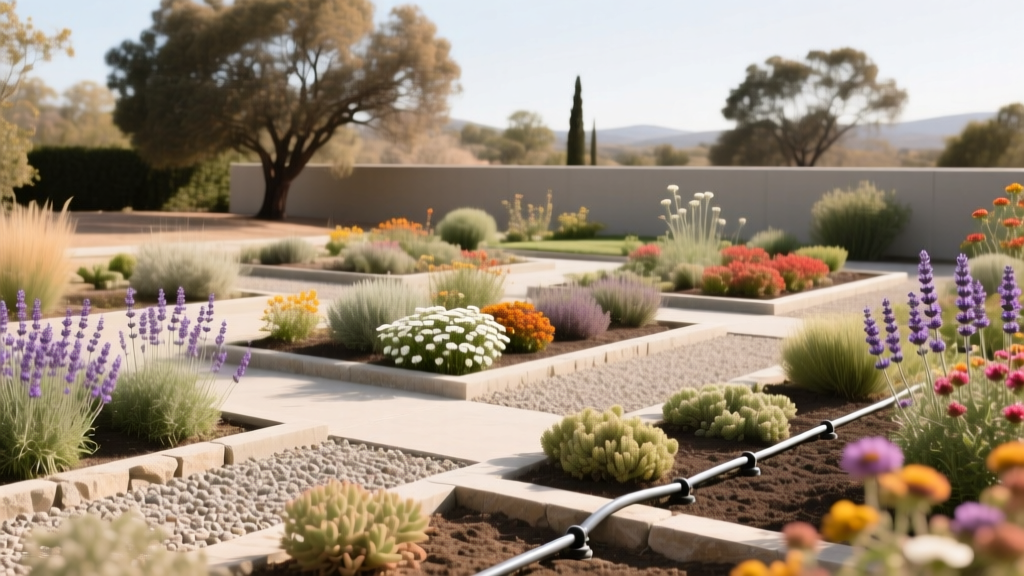
Fire-Safe Cut Flower Garden Layouts For 2026 Blooms
Mike RodriguezPublished
As wildfire seasons grow more unpredictable, homeowners in fire-prone regions are fundamentally rethinking their outdoor spaces. For floral enthusiasts, the challenge in 2026 is balancing the desire for a lush, continuous-bloom cut flower garden with the strict requirements of fire-resistant landscaping. You no longer have to sacrifice your passion for fresh-cut arrangements to protect your property. By integrating defensible space principles, selecting high-moisture plant varieties, and utilizing non-combustible hardscaping, you can cultivate a vibrant, fire-safe cutting garden. This guide explores how to design a continuous-harvest cut flower layout that aligns with the latest 2026 fire mitigation standards.
Core Principles of Fire-Resistant Floral Design
Fire-resistant landscaping does not mean planting a barren desert scape. It means choosing plants that are less likely to ignite and arranging them to prevent fire from spreading to your home. According to the University of California Agriculture and Natural Resources (UC ANR), fire-resistant plants generally share specific traits: high moisture content in leaves, low resin or sap production, and a lack of papery or peeling bark.
When designing a cut flower garden for continuous harvest, your goal is to select annuals and perennials that possess these succulent, low-resin qualities while providing staggered blooming periods from early summer through late autumn. Avoid highly flammable ornamental grasses, eucalyptus, and lavender near structures, as their volatile oils can ignite rapidly under extreme heat.
Strategic Layout: Integrating Defensible Space Zones
The California Department of Forestry and Fire Protection (CAL FIRE) mandates a defensible space buffer around structures, divided into specific zones. Your cut flower garden layout must respect these boundaries to ensure safety without sacrificing yield.
Zone 0: The Ember-Resistant Zone (0 to 5 Feet)
This area immediately adjacent to your home must be entirely free of combustible materials. Do not plant cut flowers directly in the soil here. Instead, use non-combustible hardscaping like gravel or pavers. If you want flowers near the house, use isolated metal or heavy stone containers filled with high-moisture succulents or well-watered annuals, ensuring no dead foliage accumulates at the base.
Zone 1: The Lean, Clean, and Green Zone (5 to 30 Feet)
This is the prime location for your primary cut flower raised beds. In 2026, galvanized steel and stone raised beds are the industry standard for fire-prone areas, replacing traditional timber frames which can dry out and ignite. Current pricing for premium galvanized steel beds ranges from $150 to $250 per unit, a worthwhile investment for longevity and safety. Space your beds at least 4 to 6 feet apart to create effective firebreaks. Utilize vertical trellising made of metal wire rather than wooden stakes to support climbing blooms like sweet peas or nasturtiums.
Zone 2: The Reduced Fuel Zone (30 to 100 Feet)
Here, you can expand your cutting garden with larger, in-ground perennial borders. Group plants by water requirements (hydrozoning) to maintain high soil moisture levels. Keep plants pruned and spaced so that the canopy does not form a continuous, touching bridge, which could allow surface fires to climb into taller vegetation.
Top Fire-Resistant Cut Flowers for Continuous Bloom
Achieving a continuous harvest requires a mix of early, mid, and late-season bloomers. Below is a curated list of fire-smart flowers that offer excellent vase life and high moisture retention, perfect for the 2026 growing season.
| Flower Variety | Bloom Season | Fire-Resistant Traits | Continuous Harvest Tip |
|---|---|---|---|
| Zinnia (Benary's Giant) | Mid-Summer to Frost | High leaf moisture, low resin, fleshy stems. | Succession sow every 3 weeks until mid-July. |
| Celosia (Cramer's Amazon) | Late Summer to Fall | Succulent-like foliage, retains water well. | Pinch early to encourage multiple side shoots. |
| Yarrow (Moonshine) | Early to Mid-Summer | Drought-tolerant but low volatile oil content. | Deadhead to promote a secondary late-summer flush. |
| Dahlia (Cafe au Lait) | Mid-Summer to Frost | Tubers store water; foliage stays lush when irrigated. | Harvest early morning; keep soil consistently moist. |
| Cosmos (Sensation Mix) | Summer to Fall | Airy structure doesn't trap ember-causing debris. | Cut frequently to prevent seed set and prolong blooming. |
Pathways and Hardscaping for Access and Safety
Wide, non-combustible pathways are essential for both garden access and fire mitigation. In 2026, permeable pavers and decomposed granite (DG) are the top choices for cutting garden aisles. DG compacts firmly, preventing weed growth without the use of flammable herbicides, and it creates a natural firebreak between your raised beds. Ensure pathways are at least 3 feet wide; this not only accommodates a gardener carrying a large harvest bucket but also provides a sufficient gap to stop the spread of surface fires. Avoid using landscape fabric beneath your gravel if it is petroleum-based; instead, opt for a heavy layer of cardboard or commercial-grade, fire-rated geotextile weed barriers.
2026 Soil, Mulch, and Irrigation Upgrades
The soil and mulch you use in your cutting garden are just as critical as the plants themselves. Traditional wood bark mulch is highly flammable and poses a severe risk in ember-prone areas.
Fire-Smart Mulching Techniques
For your cut flower beds, transition to composted woodchips or inorganic mulches. Research highlighted by the National Fire Protection Association (NFPA) indicates that heavily composted woodchips retain moisture and are far less likely to smolder than raw bark. Alternatively, use a 2-inch layer of pea gravel or crushed stone around the base of your flowers. This suppresses weeds, retains soil moisture, and provides an impenetrable barrier against wind-blown embers.
Subsurface Drip Irrigation
Overhead watering wets the foliage, which can lead to fungal diseases, and wastes water through evaporation. In 2026, smart subsurface drip irrigation systems are highly recommended for fire-safe gardens. By delivering water directly to the root zone, you maintain high soil moisture—making the plants themselves less combustible—while keeping the surface mulch and foliage dry. Pair your drip lines with a smart soil moisture sensor to ensure your cutting garden remains hydrated even during late-summer heat domes.
Maintenance Routines for Safety and Yield
A continuous-bloom cutting garden requires rigorous maintenance, which perfectly aligns with fire safety protocols. Deadheading spent blooms is essential for encouraging new flower production, but it also removes dry, papery seed heads that act as tinder.
- Weekly Debris Clearance: Never allow cut stems, dried leaves, or spent flowers to accumulate on the soil surface or in the pathways. Keep a dedicated metal compost bin with a tight-fitting lid near your garden to immediately dispose of flammable debris.
- End-of-Season Cutback: As autumn approaches and your annuals like zinnias and cosmos begin to decline, do not leave the dried stalks standing for winter interest. In fire-prone regions, these must be cut down to the ground and composted or removed entirely before the peak autumn wind events begin.
- Tool Sanitation: Keep your pruning shears and harvest snips clean. While primarily for plant health, removing sap buildup prevents tools from becoming sticky traps for dry, flammable dust and pollen.
Conclusion
Designing a cut flower garden in a fire-risk area requires a shift in perspective, but it does not require sacrificing beauty or bounty. By adhering to defensible space zones, utilizing metal raised beds, selecting high-moisture bloomers, and employing smart irrigation, your 2026 cutting garden will be a safe, vibrant oasis. You can confidently harvest armloads of fresh zinnias, celosia, and dahlias, knowing your landscape is resilient, responsible, and beautifully fire-resistant.
