
Landscaping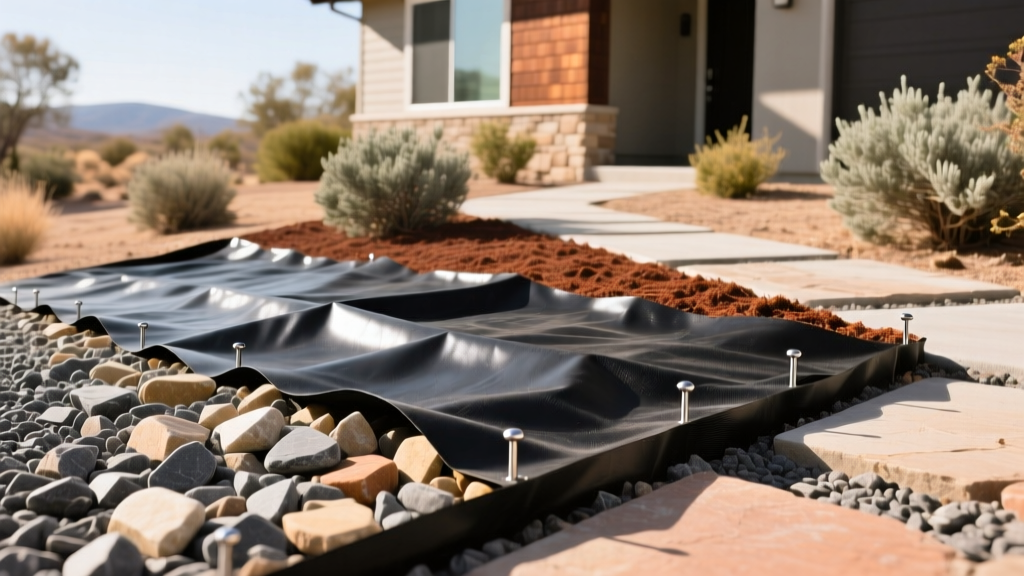
Fire-Resistant Mulch & Weed Barrier Installation 2026
Anna KowalskiPublished
The Evolution of Defensible Space in 2026
As we navigate the 2026 wildfire season, the concept of defensible space has evolved from a rural recommendation to a critical survival strategy for homes in the Wildland-Urban Interface (WUI). With shifting climate patterns and increasingly aggressive ember storms, landscaping professionals and homeowners are re-evaluating every material surrounding their properties. According to the FEMA Ready.gov wildfire guidelines, creating a non-combustible perimeter is the single most effective way to prevent structure ignition. However, many homeowners unknowingly sabotage their fire-resistant landscaping by using traditional weed barriers and organic mulches that act as hidden fuel sources.
The immediate 0 to 5-foot perimeter around your home, known as Zone 0 or the 'Non-Combustible Zone,' requires absolute vigilance. In this zone, the installation of mulch and landscape fabric must be approached not just as a weed-control measure, but as a critical fire-blocking defense. This guide details how to properly install fire-resistant inorganic mulch paired with specialized, non-flammable weed barriers to secure your home's foundation in 2026.
The Hidden Danger of Traditional Landscape Fabric
For decades, woven polypropylene landscape fabric has been the industry standard for weed suppression. However, in a fire-resistant landscape, this petroleum-based plastic is a severe liability. When wind-blown embers land in garden beds, they can easily ignite dry organic mulch. As the mulch smolders and burns down to the soil level, it reaches the polypropylene weed barrier. Once ignited, this plastic fabric melts, creates a secondary petroleum-fueled fire, and releases toxic fumes. More importantly, it generates intense, sustained heat directly against your home's foundation, siding, or deck supports, often leading to structural ignition long after the initial ember shower has passed.
The Insurance Institute for Business & Home Safety (IBHS) explicitly warns against using combustible materials in the immediate vicinity of the home. To maintain a true fire-resistant landscape, we must completely eliminate plastic-based geotextiles from Zone 0 and replace them with mineral-based or fire-rated alternatives.
Choosing Fire-Resistant Weed Barriers
In 2026, advancements in geotextile manufacturing have introduced highly effective, non-combustible weed barriers. When planning your mulch installation, you must select a barrier that will not melt, ignite, or off-gas when exposed to extreme radiant heat or direct ember contact.
| Material Type | Fire Resistance | Water Permeability | Estimated 2026 Cost (per sq. ft.) |
|---|---|---|---|
| Woven Polypropylene (Standard) | Highly Flammable (Melts/Ignites) | High | $0.45 - $0.75 |
| Spunbond Polyester | Moderate (Melts at high heat) | Very High | $0.60 - $0.90 |
| Basalt Fiber Geotextile | Excellent (Non-combustible mineral) | Moderate to High | $1.50 - $2.50 |
| Fiberglass Weed Mat (Coated) | Excellent (Withstands up to 1000°F) | Moderate | $1.20 - $2.00 |
For Zone 0 installations, Basalt Fiber Geotextiles are the premier choice for 2026. Made from spun volcanic rock, basalt fabrics are entirely inorganic and will not burn or melt. They provide excellent weed suppression while allowing water to penetrate the soil, preventing foundation drainage issues. Fiberglass mats are a close second, offering immense heat resistance, though they can be slightly more rigid and difficult to contour around existing foundation plantings.
Selecting the Right Non-Combustible Mulch
A fire-rated weed barrier is only half the equation; the mulch layered on top must also be entirely inorganic. Organic mulches like pine bark, cedar chips, or rubber mulch (which is highly flammable despite being recycled) are strictly prohibited in the 0-5 foot zone. Programs like NFPA's Firewise USA emphasize that stone and gravel are the only acceptable mulching materials for the immediate home perimeter.
Top choices for 2026 include:
- 3/8-Inch Minus Crushed Basalt or Granite: Packs tightly, resists wind displacement, and provides a uniform, attractive look.
- Decomposed Granite (DG): Excellent for creating a natural, desert-scaped aesthetic while maintaining a non-combustible surface.
- Pea Gravel: Readily available and cost-effective, though its round shape makes it prone to shifting underfoot.
- River Rock (1 to 3 inches): Highly decorative and completely fireproof, but the large gaps between stones can allow wind-blown debris to reach the weed barrier below.
Step-by-Step Fire-Safe Installation Guide
Installing a fire-resistant mulch bed requires precision to ensure no gaps expose combustible soil or allow weeds to compromise the inorganic layer. Schedule this project for early spring 2026, well before the peak of the regional fire season.
Step 1: Clear and Grade the Zone 0 Perimeter
Remove all existing organic mulch, dead vegetation, and old plastic landscape fabric within 5 feet of your home's exterior walls. Grade the soil so it slopes away from the foundation at a minimum 5% drop over the first 10 feet to ensure proper drainage. Install rigid, non-combustible edging—such as galvanized steel, Corten steel, or poured concrete—to separate the gravel bed from adjacent lawn or organic garden zones. Never use plastic or rubber bender board in a fire zone.
Step 2: Lay the Basalt or Fiberglass Weed Barrier
Roll out your chosen mineral-based weed barrier over the cleared soil. When overlapping seams, ensure a minimum 6-inch overlap to prevent weeds from finding a gap and to stop embers from penetrating the soil bed. Secure the fabric using 11-gauge galvanized steel landscape staples placed every 12 inches along the seams and every 24 inches in the center of the rolls. Do not use staples with plastic caps, as these introduce a micro-fuel source to your fire-resistant bed.
Step 3: Apply the Inorganic Mulch
Spread your crushed rock or decomposed granite evenly over the weed barrier to a depth of 2 to 3 inches. This depth is critical: it is thick enough to block sunlight from reaching weed seeds and heavy enough to keep the basalt fabric pinned down during high winds, but not so deep that it traps excessive moisture against your foundation. Crucially, maintain a strict 6-inch vertical clearance between the top of the gravel mulch and your home's siding or weep screed to prevent moisture damage and pest intrusion.
Maintenance and Ember Management
A common misconception is that installing gravel and a weed barrier creates a 'maintenance-free' zone. In a fire-resistant landscape, maintenance shifts from weeding to debris management. During autumn or windy periods, leaves, pine needles, and twigs will inevitably blow into your gravel beds. If an ember lands on a pile of dry leaves resting on top of your fire-resistant gravel, the leaves will ignite, potentially generating enough heat to crack windows or ignite adjacent siding.
Routinely use a commercial-grade leaf blower to clear all organic debris from the gravel surface. Avoid using metal rakes on decomposed granite or smaller gravel, as this can tear the underlying basalt fabric and pull the stones out of place. Inspect the perimeter annually in early spring to top off any settled gravel and ensure the steel edging remains intact.
2026 Cost Analysis for a 500 Sq. Ft. Zone 0 Perimeter
Investing in fire-resistant landscaping is an investment in your home's survival. For a standard 500-square-foot Zone 0 perimeter (e.g., a 5-foot strip wrapping 100 linear feet around a home), here is what you can expect to spend in 2026:
- Basalt Fiber Weed Barrier (550 sq. ft. with overlap): ~$900 - $1,250
- Crushed Basalt / DG (Approx. 8 tons at 2.5" depth): ~$600 - $850 (including bulk delivery)
- Steel Edging and Galvanized Staples: ~$250 - $400
- Professional Labor (if hired): ~$1,500 - $2,500
While the upfront cost of basalt fabric and stone mulch is significantly higher than traditional plastic and wood chips, the longevity of inorganic materials means you will never need to replace the mulch due to decomposition. More importantly, it ensures your home complies with the strictest 2026 WUI building codes and defensible space mandates, potentially lowering your wildfire insurance premiums.
Conclusion
As wildfire behavior continues to challenge traditional landscaping norms, the materials we place directly against our homes must be scrutinized for their combustion potential. By replacing flammable polypropylene fabrics and wood chips with basalt geotextiles and crushed stone, you transform your home's immediate perimeter from a hidden fire hazard into a resilient, non-combustible shield. Implementing these fire-resistant mulch and weed barrier installation techniques in 2026 is a proactive step toward ensuring your property remains standing long after the smoke clears.

