Gardening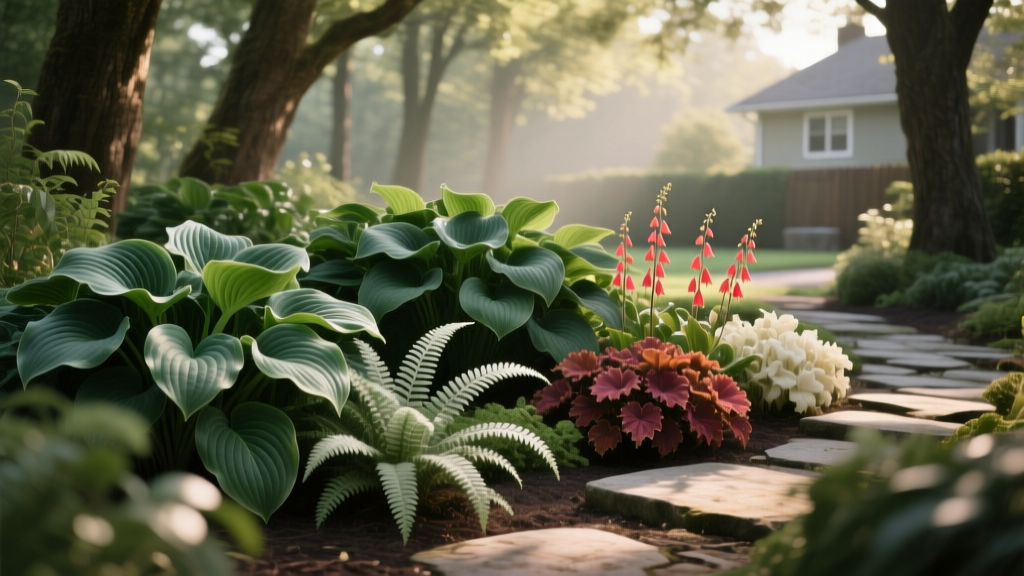
Fire-Resistant Shade Garden 2026: Hosta, Fern & Coral Bells
Lisa ThompsonPublished
The Evolution of Defensible Space in 2026
As wildfire seasons continue to challenge homeowners in the wildland-urban interface (WUI), the concept of defensible space has evolved significantly by 2026. While much of the focus traditionally lands on clearing dry brush and managing sunny slopes, the shaded areas of your property are equally critical. According to CalFire's Defensible Space guidelines, creating a 'lean, clean, and green' landscape extends to all microclimates on your property, including the shaded foundations and tree-covered zones. Shade gardens, when designed with high-moisture, low-resin plants, can act as lush, effective firebreaks that protect your home without sacrificing aesthetic beauty.
Designing a shade garden that is both visually stunning and fire-smart requires a strategic selection of herbaceous perennials. The combination of Hostas, Ferns, and Coral Bells (Heuchera) has emerged as a premier trio for 2026 shade landscapes. These plants offer dense ground cover that suppresses flammable weeds, retain high water content in their foliage, and lack the volatile oils found in many woody shrubs. In this guide, we will explore how to design, plant, and maintain a fire-resistant shade oasis using this golden trio.
Why Hostas, Ferns, and Coral Bells?
Fire-resistant plants are generally characterized by high moisture content, low resin or oil content, and a lack of peeling bark or excessive deadwood. The Hosta-Fern-Coral Bells combination checks all these boxes while thriving in low-light conditions where traditional fire-resistant succulents would fail.
Hostas (Hosta spp.)
Hostas are the workhorses of the shade garden. Their broad, succulent-like leaves hold a tremendous amount of water, making them highly resistant to catching fire from wind-blown embers. Varieties like 'Patriot' or 'Sum and Substance' provide massive foliage that shades the soil beneath, preventing the germination of dry, flammable weeds. Because they are herbaceous and die back to the ground in winter, they do not accumulate woody, combustible biomass over the years.
Coral Bells (Heuchera)
Coral Bells offer year-round color and a low-growing profile that is ideal for the front of shaded borders. In 2026, varieties such as 'Fire Alarm' (featuring vibrant red foliage) and 'Palace Purple' are highly sought after. Their semi-evergreen leaves are relatively thick and moisture-dense. More importantly, their dense mounding habit acts as a living mulch, covering bare soil and outcompeting invasive, highly flammable grasses that could otherwise act as kindling in a shaded zone.
Ferns (Polypodiopsida)
Ferns, particularly the Western Sword Fern (Polystichum munitum) or the Ostrich Fern (Matteuccia struthiopteris), bring vital texture and verticality to the shade garden. Green, hydrated fern fronds are remarkably fire-retardant. However, a critical caveat must be noted: dead fern fronds are highly flammable. To maintain their fire-resistant status, ferns require strict maintenance to remove dead foliage, a topic we will cover in our maintenance protocol below.
Designing the Layout: Spacing and Hardscaping
Plant selection is only half the battle; spatial arrangement dictates how fire moves through your landscape. The National Fire Protection Association (NFPA) Firewise USA program emphasizes the importance of breaking up continuous plant canopies to prevent fire from spreading laterally or climbing into the tree canopy above.
- Zone 0 (0-5 feet from home): In 2026, WUI building codes are strict about the immediate perimeter of the home. Avoid planting *any* vegetation directly against the siding. Instead, use a 5-foot non-combustible zone of decomposed granite, river rock, or pavers. You can place your Hostas and Coral Bells in large, isolated ceramic or metal containers within this zone to maintain greenery without violating defensible space rules.
- Zone 1 (5-30 feet from home): This is where your primary shade garden will thrive. Group your plants in distinct 'islands' separated by at least 3 to 5 feet of bare soil, gravel, or stone pathways. This island-style planting prevents a continuous bed of vegetation from acting as a wick for ground fires.
- Vertical Spacing: Ensure that the mature height of your Ferns and Hostas maintains a generous gap from the lowest branches of the trees providing the shade. This prevents a ground fire from transitioning into a catastrophic crown fire.
Soil Preparation for Maximum Moisture Retention
A fire-resistant plant is only as good as its hydration levels. In drought-prone regions, maintaining the high moisture content of Hostas and Coral Bells requires advanced soil preparation.
- Amend with Biochar and Compost: Before planting, incorporate a 50/50 mix of aged compost and horticultural biochar into the top 12 inches of your shade soil. Biochar acts like a microscopic sponge, holding water and nutrients in the root zone long after the surface has dried out.
- Install Smart Drip Irrigation: Overhead watering is inefficient and can promote fungal diseases in dense shade. In 2026, utilize a smart drip irrigation system paired with a weather-based controller (such as the latest Rachio or B-hyve models) that adjusts watering schedules based on local evapotranspiration rates. Place inline drip emitters directly at the root zones of your Coral Bells and Hostas.
- Use Non-Combustible Mulch: Never use shredded bark, pine needles, or wood chips in your fire-resistant shade garden. Instead, mulch around your plants with 2 inches of crushed gravel, pea stone, or heavily composted leaf mold that has broken down into a soil-like consistency and will not readily ignite.
The 2026 Maintenance Protocol
Maintenance is the cornerstone of fire-resistant landscaping. A neglected shade garden can quickly transition from a firebreak to a fuel bed. Follow this seasonal checklist to keep your Hosta, Fern, and Coral Bells combination safe:
- Spring Cleanup: As Hostas emerge, clear away all dead, dried leaves from the previous winter. Rake out any wind-blown debris, pine needles, or dead twigs that have accumulated in the shade garden beds.
- Summer Pruning: Snip off any dead or dying Coral Bell foliage. Monitor soil moisture closely during heat domes; if the plants wilt severely, their moisture content drops, increasing flammability.
- Autumn Fern Management: This is the most critical task. As Ferns go dormant and their fronds turn brown and papery, they become highly combustible. Cut back dead fern fronds to the crown before the dry autumn winds arrive. Oregon State University Extension publication PNW-658 heavily emphasizes the removal of dead plant material as the single most effective way to maintain a landscape's fire resistance.
Comparison Chart: Fire-Resistant Shade Plants
Use the table below to understand the specific fire-retardant qualities and maintenance requirements of this shade garden trio.
| Plant Name | Moisture Level | Growth Habit | Fire-Resistant Rating | Key Maintenance Need |
|---|---|---|---|---|
| Hosta (Hosta spp.) | High | Herbaceous, broad-leaf | Excellent | Clear dead winter foliage in early spring. |
| Coral Bells (Heuchera) | Moderate-High | Evergreen/Semi-evergreen mound | Very Good | Remove dried flower stalks and dead basal leaves. |
| Sword Fern (Polystichum) | Moderate | Evergreen fronds | Good (when green) | Strict removal of brown, dead fronds before fire season. |
Conclusion
Creating a fire-resistant landscape in 2026 does not mean resigning yourself to a barren, rocky yard devoid of lush foliage. By strategically combining the high-moisture, broad leaves of Hostas, the colorful, weed-suppressing mounds of Coral Bells, and the elegant texture of well-maintained Ferns, you can cultivate a stunning shade garden that actively contributes to your home's defensible space. Remember that fire resistance is an ongoing practice; pair these resilient plants with proper spatial design, smart irrigation, and rigorous seasonal cleanup to ensure your shaded sanctuary remains both beautiful and safe for years to come.
