Gardening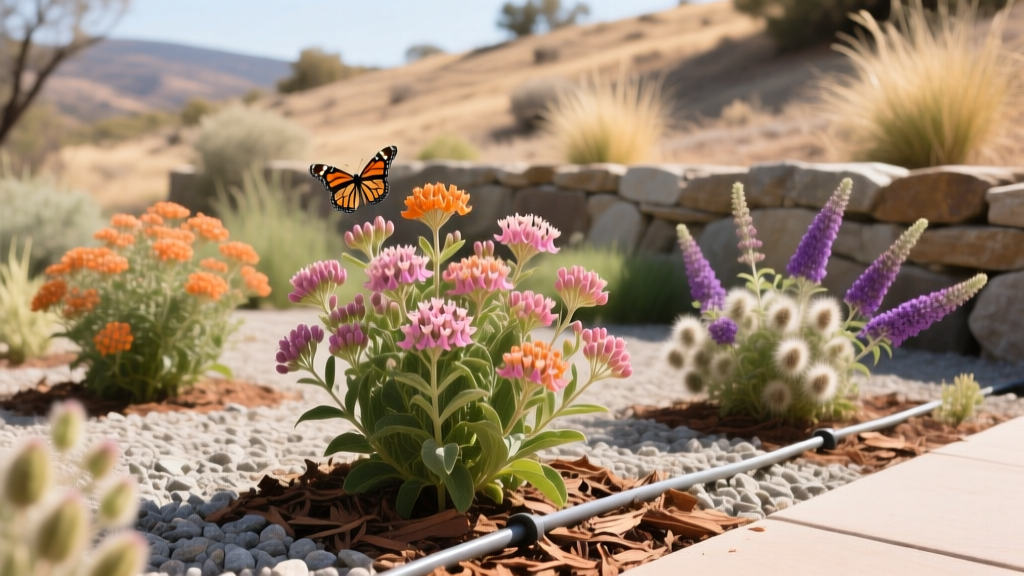
Fire-Resistant Butterfly Garden 2026: Milkweed & Bush Tips
Mike RodriguezPublished
The Wildland-Urban Interface Challenge for Pollinator Gardens
As we navigate the increasingly volatile wildfire seasons of 2026, homeowners in the Wildland-Urban Interface (WUI) face a unique landscaping paradox. On one hand, there is a critical ecological need to support declining pollinator populations by planting native host and nectar plants. On the other hand, traditional garden designs often inadvertently create continuous fuel ladders and dry biomass that threaten homes during fire events. Designing a fire-resistant butterfly garden using milkweed (Asclepias spp.) and butterfly bush (Buddleja spp.) requires a strategic departure from conventional cottage garden layouts. By integrating defensible space principles, non-combustible hardscaping, and rigorous moisture management, you can create a thriving sanctuary for monarchs and swallowtails without compromising your home's safety.
According to the Ready for Wildfire Defensible Space Guidelines, the first 30 feet around a structure must be meticulously managed to reduce fuel loads. This guide will show you how to fit high-value pollinator plants into these zones safely in 2026.
Selecting Fire-Smart Pollinator Plants
Milkweed: Managing Herbaceous Fuel Loads
Milkweed is the obligate host plant for the monarch butterfly. However, species like Narrowleaf Milkweed (Asclepias fascicularis) and Showy Milkweed (Asclepias speciosa) are herbaceous perennials that die back to the ground in winter and late summer. The resulting dry, hollow stalks are highly flammable and can act as wicks, carrying ground fires into nearby shrubs.
The 2026 Fire-Smart Strategy: Plant milkweed in 'island' clusters rather than continuous borders. Utilize their deep taproots to your advantage; once established, they require less surface water, allowing you to keep the immediate surrounding soil dry and covered in non-combustible gravel. Never allow dead milkweed stalks to remain standing into the late summer fire season. Cut them back to the ground in early summer (after the first generation of monarchs has emerged) to eliminate vertical fuel.
Butterfly Bush: Sterile Cultivars and Woody Biomass
The traditional butterfly bush (Buddleja davidii) is a fast-growing, woody shrub that produces highly flammable essential oils and accumulates a dense core of dead, dry wood. Furthermore, it is considered highly invasive in many Pacific Northwest and coastal regions. As of 2026, states like Oregon and Washington strictly enforce bans on fertile Buddleja varieties.
The 2026 Fire-Smart Strategy: Exclusively use approved, sterile dwarf cultivars such as the Pugster series or the Flutterby Petite series. These sterile varieties remain compact (usually under 3 feet tall), significantly reducing the overall biomass and potential fuel volume. Because they are sterile, they also bloom continuously without setting seed, providing a steady nectar source well into autumn. To maintain fire resistance, these shrubs must be 'coppiced' or pruned hard to the woody framework every late winter, removing all dead interior branches that could catch embers.
Strategic Spacing and Defensible Space Zones
The National Interagency Fire Center (NIFC) emphasizes that plant spacing is just as critical as plant selection. Continuous canopies allow fire to spread rapidly. In a fire-resistant butterfly garden, we use the 'island planting' technique.
- Zone 0 (0-5 feet from home): Absolutely no milkweed or butterfly bushes. This zone must be strictly non-combustible (concrete, pavers, or bare soil).
- Zone 1 (5-30 feet from home): Plant milkweed in clusters of three, surrounded by a 4-foot diameter ring of decomposed granite. Space these islands at least 10 feet apart. Plant sterile butterfly bushes as solitary specimens, ensuring their mature canopy will not touch the roofline, fences, or other shrubs.
- Vertical Spacing: Ensure there is a minimum of 6 feet of clearance between the top of your milkweed/bush canopy and the lowest branches of any overstory trees. This prevents a ground fire from climbing into the tree canopy.
Mulching and Hardscaping for Firebreaks
Organic mulches like shredded bark or 'Gorilla Hair' are notorious for catching wind-blown embers and smoldering for days. In 2026, fire-resistant landscaping mandates the use of inorganic mulches in high-risk zones. The Xerces Society for Invertebrate Conservation notes that while pollinators need some bare ground for nesting, inorganic mulches provide excellent firebreaks and moisture sealing.
| Groundcover / Mulch Material | Fire Rating | Moisture Retention | 2026 Est. Cost (per sq. ft.) | Best Application Zone |
|---|---|---|---|---|
| Decomposed Granite (DG) | Excellent | Moderate | $1.50 - $2.50 | Zone 1 (Around plant islands) |
| River Rock (1-2 inch) | Excellent | Low | $1.20 - $2.00 | Zone 0 & Zone 1 pathways |
| Composted Wood Chips | Moderate | High | $0.40 - $0.80 | Zone 2 (30+ ft, isolated beds) |
| Shredded Bark / Pine Needles | Poor (High Hazard) | High | $0.50 - $0.90 | Avoid completely in WUI zones |
Irrigation and Soil Moisture Management
A well-hydrated plant is significantly more resistant to ignition. In 2026, overhead spraying is discouraged in fire-prone areas due to water waste and fungal diseases that weaken plants, making them more susceptible to drought stress and subsequent flammability.
Subsurface Drip Irrigation: Install Netafim Techline CV or similar subsurface drip emitter lines buried 2-3 inches beneath your decomposed granite mulch. This delivers water directly to the taproots of the milkweed and the deep root zones of the butterfly bush. In 2026, professional installation of subsurface drip averages $1.50 to $2.25 per linear foot. This method keeps the plant's foliage dry (reducing ember-catching surface area) while maintaining high internal cellular water content.
Soil Amendment with Biochar: Incorporate horticultural biochar into your planting holes at a 10% ratio by volume. Biochar acts like a microscopic sponge, holding water and nutrients in the soil profile for extended periods. This ensures your butterfly bushes remain lush and fire-resistant even during late-summer heat domes and drought restrictions.
Seasonal Maintenance: The Key to Fuel Reduction
A fire-resistant garden is not a 'plant it and forget it' landscape. It requires a strict maintenance calendar aligned with local fire seasons.
- Early Spring (March-April): Prune butterfly bushes hard, removing all dead, gray wood from the center of the shrub. Thin the milkweed shoots to 3-5 strong stems per plant to encourage air circulation and reduce dense, dry biomass.
- Early Summer (June): Perform a 'mid-season chop' on your milkweed. Cut the plants back by 50%. This removes aging, potentially dry foliage, stimulates fresh, moisture-rich growth for late-summer monarchs, and eliminates tall, dry stalks right before peak fire season.
- Autumn (Post-Fire Season): Once the first heavy rains arrive and fire danger drops, allow the final milkweed growth to senesce naturally to provide overwintering habitat for beneficial insects, then cut back to the ground in late winter.
- Weed Control: Dry weeds are prime ignition sources. Maintain a strict zero-tolerance policy for dry annual grasses and weeds within 5 feet of your butterfly bush and milkweed islands. Use a stirrup hoe or targeted organic herbicide rather than flammable chemical sprays.
Conclusion
Creating a butterfly garden with milkweed and butterfly bushes in a fire-prone region is entirely feasible in 2026, provided you prioritize defensible space principles. By selecting sterile, compact cultivars, utilizing inorganic mulches like decomposed granite, employing subsurface irrigation, and adhering to a strict pruning schedule, you can support vital pollinator populations while maintaining a resilient, fire-smart landscape. Protect your home and the environment simultaneously by treating your garden not just as a habitat, but as a critical component of your property's wildfire defense system.
