Pest Control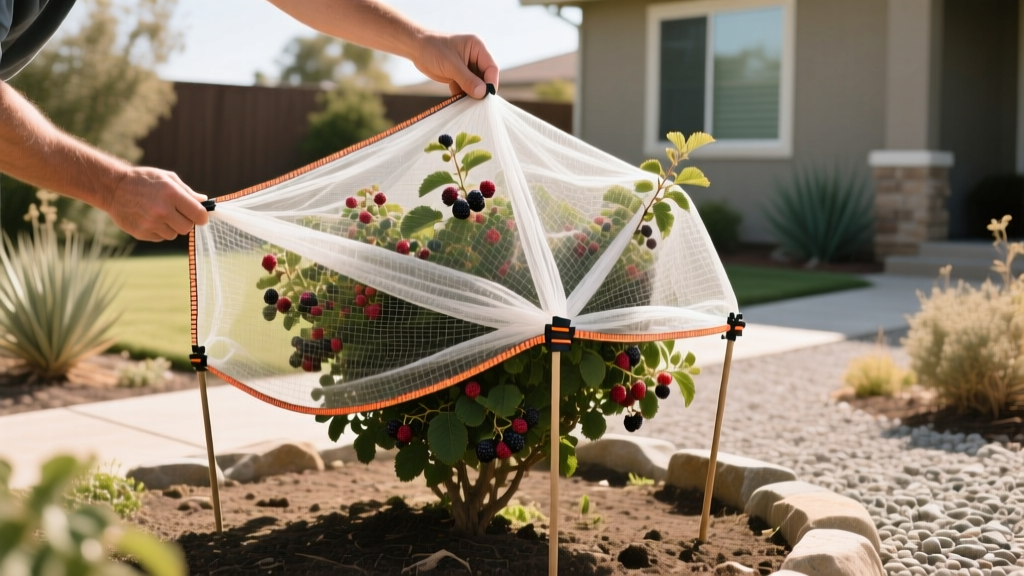
2026 Fire-Safe Bird Netting for Berry Bush Protection
Emily WatsonPublished
The Intersection of Pest Control and Fire-Resistant Landscaping
As we navigate the 2026 gardening season, homeowners in wildfire-prone regions face a complex dual challenge: protecting high-value crops like blueberries, raspberries, and blackberries from avian and rodent pests, while strictly adhering to updated Wildland-Urban Interface (WUI) fire codes. Traditional pest control methods often inadvertently create severe fire hazards. Standard polyethylene bird netting, for instance, is highly flammable. When exposed to wind-blown embers, it can melt, ignite, and act as a wick, transferring fire directly to your home's defensible space.
According to Ready for Wildfire's Defensible Space guidelines, the first five feet around your home (Zone 0) must be completely free of combustible materials. Even in Zone 1 and Zone 2, introducing flammable plastics into your garden infrastructure violates the core principles of NFPA's Firewise USA program. In 2026, integrating Integrated Pest Management (IPM) with fire-safe landscaping is no longer optional—it is a critical strategy for property survival and crop yield.
The Hidden Fire Hazard of Traditional Bird Netting
For decades, gardeners have relied on cheap, lightweight plastic netting to keep starlings, robins, and cedar waxwings away from ripening berries. However, from a fire-resistant landscaping perspective, this material is a liability. Polyethylene netting has a low melting point and high combustibility. During a wind-driven ember storm, a single glowing ember can catch in the plastic mesh, igniting the netting and creating a secondary fire source that can easily jump to nearby structures or dry brush.
Furthermore, traditional netting installation often involves draping the material directly over the bushes and anchoring it with dry mulch, pine straw, or wooden stakes. These organic anchoring methods create "ladder fuels" and ember traps. As of the 2026 WUI code updates in many western and fire-prone states, the use of combustible agricultural plastics within 30 feet of a primary residence is heavily scrutinized and, in some municipalities, strictly prohibited during high-fire-risk months.
Choosing the Right Fire-Resistant Netting in 2026
To protect your berry bushes without compromising your defensible space, you must transition to non-combustible or fire-retardant materials. The market has adapted significantly by 2026, offering durable, fire-safe alternatives that also provide superior pest exclusion. Below is a comparison of the top materials available for fire-safe berry bush protection this year.
| Material Type | Fire Rating (2026 WUI Code) | Pest Exclusion | Est. Cost (10x10ft) | Lifespan |
|---|---|---|---|---|
| Stainless Steel Aviary Mesh | Non-Combustible (Class A) | Birds, Rodents, Large Insects | $130 - $160 | 20+ Years |
| Aluminum Wire Mesh | Non-Combustible (Class A) | Birds, Squirrels | $85 - $110 | 10 - 15 Years |
| Fire-Retardant Treated Poly | Self-Extinguishing (Class B) | Birds Only | $45 - $65 | 3 - 5 Years |
| Standard Polyethylene (Avoid) | Highly Flammable (Fails WUI) | Birds (Tears Easily) | $15 - $25 | 1 - 2 Years |
Our 2026 Recommendation: Half-inch stainless steel aviary mesh is the gold standard for fire-resistant landscaping. It will not melt, catch fire, or degrade under UV exposure. Additionally, its rigid structure prevents rodents like voles and squirrels from chewing through, offering comprehensive pest control that standard netting simply cannot match.
Step-by-Step Installation for Defensible Space Compliance
Installing fire-safe netting requires a departure from the "drape and pin" method. To maintain compliance with NFPA's Firewise USA program standards, you must build a structured, non-combustible enclosure that promotes airflow and prevents debris accumulation.
Step 1: Construct a Non-Combustible Frame
Do not use untreated timber, bamboo, or PVC pipes for your netting frame, as these are highly combustible or melt easily. Instead, construct a permanent or semi-permanent frame using 1/2-inch galvanized steel electrical conduit or powder-coated steel rebar. These materials are completely non-combustible and can withstand the radiant heat of a passing wildfire. Build a box frame that is slightly larger than your mature berry bush to ensure the mesh does not rest directly on the foliage, which can cause fruit damage and restrict airflow.
Step 2: Establish a Gravel Base for IPM and Fire Safety
The ground beneath your berry bushes is a critical zone for both fire safety and pest management. Remove all organic mulch, wood chips, and dry leaves from a 3-foot radius around the base of the bushes. Replace this with a 2-inch layer of crushed gravel or decomposed granite over a woven, non-flammable landscape fabric.
This gravel base serves two vital purposes:
- Fire Safety: It creates an ember-resistant zone, eliminating the kindling that could ignite if an ember falls near the bush.
- Pest Control: It eliminates the dark, moist hiding spots favored by slugs, ground beetles, and voles. It also makes dropped, overripe berries highly visible so you can remove them immediately, disrupting the breeding cycle of the devastating Spotted Wing Drosophila (SWD).
Step 3: Secure the Mesh to Prevent Ember Traps
Drape your stainless steel or aluminum mesh over the steel frame. To secure the bottom edges, do not use plastic landscape staples. Instead, use heavy-duty, 6-inch galvanized steel landscape staples. Pin the mesh tightly to the ground or bury the bottom 2 inches of the mesh in a shallow trench filled with gravel. This prevents wind from lifting the mesh and stops rodents from burrowing underneath, aligning with exclusion recommendations from USDA APHIS Wildlife Services.
Step 4: Implement a Zipper or Carabiner Access System
You will need to access your bushes for harvesting and pruning. Avoid using plastic zip ties to secure access flaps, as they become brittle and flammable over time. Instead, install rust-proof metal carabiners or stainless steel wire ties along one side of the frame to create a "door" that can be easily opened and securely closed, ensuring no gaps are left for birds to exploit.
Maintenance: The Synergy of IPM and Fire-Safe Landscaping
A fire-resistant landscape is a well-maintained landscape. The same practices that keep your property safe from wildfires also form the foundation of a robust Integrated Pest Management (IPM) strategy.
Clearing Debris from the Mesh
In late summer and autumn, wind-blown pine needles, dry leaves, and airborne debris will accumulate on the horizontal surfaces of your netting frame. This debris is highly flammable and acts as a prime ignition point for embers. Furthermore, trapped organic matter blocks sunlight and reduces airflow, creating a humid microclimate that invites fungal diseases like powdery mildew and botrytis fruit rot. Use a soft-bristled broom or a leaf blower on a low setting to clear the top of the mesh weekly during dry seasons.
Sanitation and Rodent Deterrence
Fallen fruit and dropped leaves are not just fire fuels; they are pest magnets. Mice and rats are attracted to the sugar content in rotting berries, and their nesting habits in dry brush can introduce secondary fire risks. By maintaining your gravel base and practicing strict garden sanitation—removing dropped fruit daily during the harvest season—you simultaneously starve pest populations and remove combustible ground fuels.
2026 Cost Breakdown and Long-Term Value
While the upfront cost of stainless steel mesh and galvanized conduit is higher than traditional plastic netting, the long-term economics heavily favor the fire-safe approach. In 2026, a 10x10 foot stainless steel aviary mesh setup will cost approximately $150 in materials. Standard polyethylene netting, while only $20, typically requires replacement every 1 to 2 years due to UV degradation, bird tears, and rodent damage. Over a 10-year period, the fire-safe metal enclosure is actually more cost-effective, not to mention the invaluable peace of mind and potential home insurance premium reductions associated with maintaining a certified Firewise defensible space.
Conclusion
Protecting your berry harvest from birds and rodents should never come at the expense of your home's wildfire resilience. By abandoning flammable polyethylene netting and embracing non-combustible materials like stainless steel mesh, galvanized framing, and gravel bases, you create a garden that is both highly productive and fiercely defensible. As fire seasons continue to challenge homeowners in 2026, integrating IPM pest control with fire-resistant landscaping principles is the smartest, safest way to cultivate your land.