
Landscaping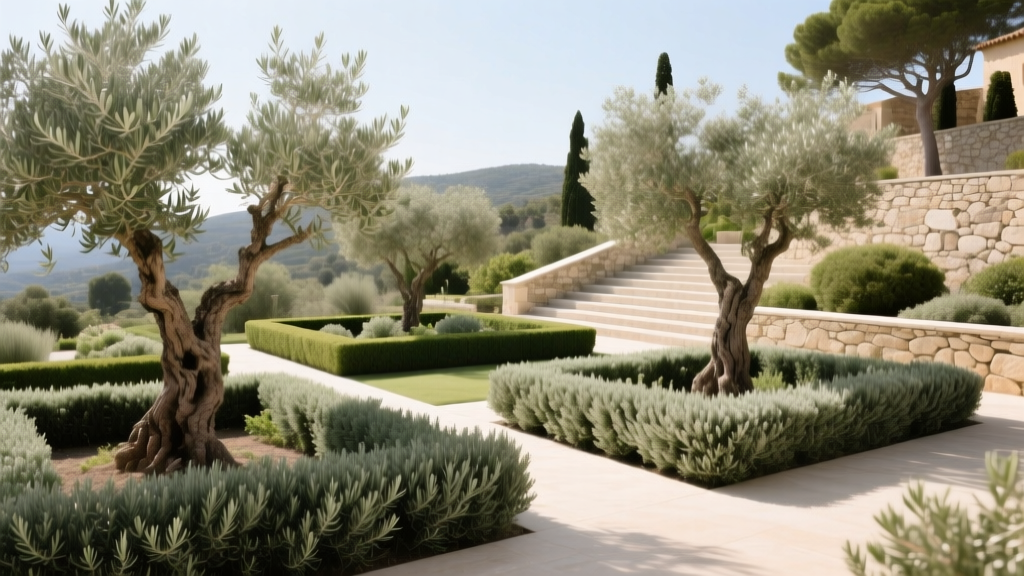
Fire-Safe Mediterranean Landscape 2026: Olives & Rosemary
James MillerPublished
The 2026 Guide to Fire-Safe Mediterranean Landscaping
As we navigate the 2026 wildfire season, homeowners in fire-prone regions are increasingly seeking landscape designs that marry aesthetic beauty with rigorous safety standards. The Mediterranean garden style—characterized by drought-tolerant plants, elegant hardscaping, and fragrant herbs—remains a top choice for its curb appeal and low water requirements. However, creating a truly fire-resistant Mediterranean landscape requires a strategic approach, especially when incorporating iconic plants like olive trees (Olea europaea) and rosemary (Salvia rosmarinus).
While the Mediterranean aesthetic naturally aligns with water-wise principles, not all drought-tolerant plants are fire-wise. In fact, some beloved Mediterranean staples possess volatile oils that can accelerate a fire if improperly placed. This comprehensive 2026 guide will show you how to design a stunning, fire-safe Mediterranean landscape using olive trees and rosemary hedging, ensuring your property meets modern defensible space requirements without sacrificing style.
The Science of Mediterranean Plant Flammability
To design a fire-resistant landscape, we must first understand the combustion properties of our chosen plants. According to ReadyForWildfire.org, a plant's flammability is dictated by its moisture content, leaf structure, resin or oil content, and accumulation of dead debris.
Olive Trees: A Fire-Resistant Anchor
Olive trees are generally considered fire-resistant when properly maintained. Their tough, leathery leaves have a relatively high moisture content and low surface-area-to-volume ratio, making them slower to ignite compared to fine-leafed shrubs. Furthermore, olives lack the highly volatile resins found in conifers like juniper or pine. However, an unmaintained olive tree with a dense canopy and a skirt of dead, dry branches at the base can still act as a ladder fuel, carrying ground fires into the canopy.
Rosemary: The Flammability Paradox
Rosemary presents a unique challenge. While it is a cornerstone of Mediterranean design, its leaves are rich in essential oils (such as camphor and cineole) that are highly combustible when dry. Fire agencies strongly advise against planting rosemary in the immediate vicinity of a home. Therefore, incorporating rosemary into a fire-safe design requires strict zoning, aggressive maintenance, and strategic hardscaping to isolate it from potential ignition sources.
Strategic Zoning for Your Mediterranean Garden
The foundation of any fire-resistant landscape is the concept of defensible space. Cal Fire's Defensible Space guidelines divide the area around your home into distinct zones. Here is how to integrate olives and rosemary into these zones safely in 2026.
| Zone | Distance from Structure | Mediterranean Plant Strategy | Fire-Safe Hardscaping |
|---|---|---|---|
| Zone 0 (Ember-Resistant) | 0–5 feet | NO rosemary or olives. Use potted, easily movable succulents or keep entirely plant-free. | Decomposed granite, flagstone, gravel, concrete. |
| Zone 1 (Lean & Clean) | 5–30 feet | Well-spaced, heavily pruned olive trees. NO rosemary hedging. | Stone pathways, isolated island beds surrounded by non-combustible mulch. |
| Zone 2 (Reduced Fuel) | 30–100 feet | Rosemary hedging (kept under 18 inches), olive tree groves. | Permeable pavers, dry creek beds with river rock. |
Selecting and Placing Olive Trees for Defensible Space
When planting olive trees in Zone 1 or Zone 2, spacing and canopy management are critical. In 2026, landscape architects recommend a minimum spacing of 15 to 20 feet between mature olive tree canopies to prevent fire from spreading laterally from tree to tree.
Recommended Olive Varieties
- Arbequina: A smaller, more manageable variety that is easier to prune and maintain, reducing ladder fuel risks.
- Frantoio: Known for its vigorous growth and beautiful silvery foliage. Requires diligent annual pruning to maintain an open, airy canopy that resists ember intrusion.
- Swan Hill: A fruitless olive variety ideal for 2026 landscaping, as it eliminates the mess of fallen fruit while providing the classic Mediterranean silhouette.
Pruning and Maintenance Protocols
To maintain the fire-resistant properties of your olive trees, you must "limb up" the canopy. Remove all branches and foliage from the bottom 6 to 8 feet of the trunk. This eliminates ladder fuels that could allow a low-intensity ground fire to climb into the tree's canopy. Additionally, ensure the ground beneath the tree is kept clear of dry leaf litter, using a 2-inch layer of inorganic mulch like crushed rock or decomposed granite instead of combustible wood chips.
Managing Rosemary Hedging for Fire Resistance
Because of its volatile oils, rosemary must be treated as a moderate-to-high fire risk. To safely use rosemary as a fragrant, textural hedge in your Mediterranean landscape, you must restrict it to Zone 2 (30 to 100 feet from the home) or use it in isolated, heavily irrigated courtyard areas surrounded by masonry walls.
Best Practices for Rosemary Hedges
- Choose Upright, Lower-Oil Cultivars: While all rosemary contains oils, upright varieties like 'Tuscan Blue' or 'Majorca Pink' are easier to prune and manage than creeping varieties, which tend to accumulate dead, highly combustible woody material at their base.
- Keep it Low and Dense: Maintain your rosemary hedge at a maximum height of 18 to 24 inches. Taller hedges present a larger fuel load and can catch wind-blown embers more easily.
- Rigorous Deadwood Removal: Rosemary naturally sheds inner leaves and small twigs, creating a dense mat of dead, dry fuel inside the hedge. In 2026, use specialized hedge rakes or compressed air blowers every spring and fall to remove this internal debris.
- Isolate with Hardscaping: Plant rosemary hedges between wide pathways of flagstone or gravel. If an ember lands in the gravel, it will safely extinguish rather than igniting the hedge.
2026 Irrigation Upgrades for Fire-Wise Landscapes
A plant's fire resistance is directly tied to its hydration levels. A well-watered olive tree is significantly harder to ignite than a drought-stressed one. However, with water restrictions tightening across many western regions in 2026, overhead spraying is both inefficient and often prohibited.
Subsurface Drip Irrigation
For both olive trees and rosemary hedges, subsurface drip irrigation is the gold standard. Products like the Netafim Techline Dripline deliver water directly to the root zone, minimizing evaporation and keeping the surface soil dry, which discourages the growth of highly flammable weeds.
- Olive Trees: Install a ring of inline drip emitters (1.6 GPH) at the dripline of the tree, expanding the ring as the tree matures.
- Rosemary Hedges: Use dual-line drip tubing running parallel to the hedge, spaced 12 inches apart, to ensure uniform moisture distribution without wetting the foliage, which can lead to fungal issues.
Smart Weather-Based Controllers
Pair your drip system with a 2026-era smart controller, such as the Rachio 3e Smart Sprinkler Controller. These devices integrate with local hyper-local weather stations and soil moisture sensors to automatically adjust watering schedules. By ensuring your Mediterranean plants receive deep, infrequent watering based on real-time evapotranspiration rates, you maintain high internal plant moisture—the ultimate defense against ignition.
Hardscaping: The Non-Combustible Canvas
The true secret to a fire-safe Mediterranean landscape is the ratio of hardscaping to softscaping. Traditional Mediterranean design relies heavily on stone, stucco, and gravel, which naturally align with fire-resistant principles.
In 2026, replace any organic mulches (like bark or wood chips) in Zones 0 and 1 with inorganic alternatives. Decomposed granite (DG) stabilized with a natural binder provides a beautiful, permeable, and entirely fireproof surface for pathways and patio extensions. For planting beds, use a 2-inch layer of 3/4-inch river rock or crushed basalt. Not only do these materials resist embers, but they also radiate heat evenly, mimicking the warm, sun-baked soils of the Mediterranean basin.
Conclusion
Achieving a fire-resistant Mediterranean landscape in 2026 requires a shift from purely aesthetic planting to strategic, zone-based design. By anchoring your garden with well-spaced, meticulously pruned olive trees in the intermediate zones, and carefully managing rosemary hedging in the outer reduced-fuel zones, you can enjoy the timeless beauty of the Mediterranean without compromising your home's safety. Combine these plant choices with smart subsurface irrigation and non-combustible hardscaping, and your landscape will stand as a beautiful, resilient fortress against the threat of wildfire.

