
Landscaping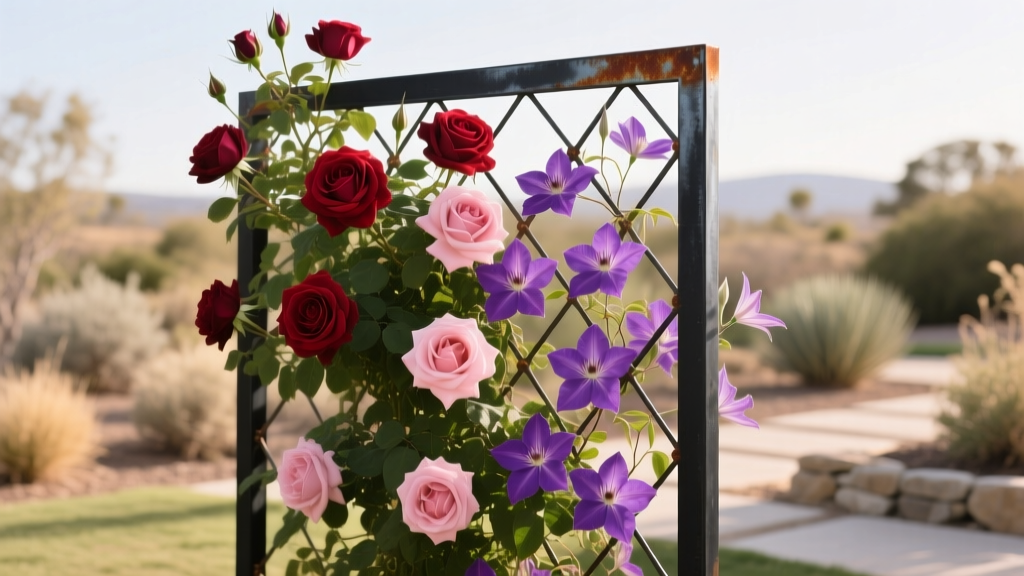
Fire-Resistant Trellises For Roses & Clematis 2026
Emily WatsonPublished
The Intersection of Vertical Gardening and Wildfire Defense
Climbing roses and clematis vines are timeless additions to any garden, offering stunning vertical blooms, fragrant air, and vital shade. However, for homeowners living in the Wildland-Urban Interface (WUI) or areas prone to seasonal wildfires, vertical gardening presents a unique hazard. Unmanaged vines and combustible trellis structures can act as 'fire ladders,' carrying ground-level flames up toward eaves, roofs, and vulnerable siding. As we navigate the extended wildfire seasons of 2026, integrating fire-resistant landscaping principles into your garden design is no longer optional—it is a critical component of home hardening.
Fortunately, you do not need to sacrifice the beauty of climbing roses (Rosa spp.) and clematis (Clematis spp.) to maintain a fire-safe property. By selecting non-combustible trellis materials, adhering to strict defensible space zoning, and implementing rigorous maintenance routines, you can enjoy lush vertical gardens without compromising your home's safety. This comprehensive guide explores how to successfully and safely cultivate these beloved climbers in 2026.
Defensible Space: Where to Place Your Trellis
Before purchasing a trellis or planting a single vine, you must understand the concept of defensible space. According to Ready for Wildfire, defensible space is the buffer you create between a building on your property and the grass, trees, shrubs, or any wildland area that surround it. This space is divided into specific zones that dictate what can be planted and where.
Zone 0: The Ember-Resistant Zone (0 to 5 feet)
This zone is immediately adjacent to your home, deck, or attached structures. In 2026, fire codes in high-risk areas strictly prohibit combustible materials, including wooden trellises and dense vines, in this zone. Embers can easily ignite dead vine material trapped against siding. Keep this area entirely clear of climbing plants.
Zone 1: The Lean, Clean, and Green Zone (5 to 30 feet)
Zone 1 is where you can safely install a fire-resistant metal trellis for your roses and clematis. The goal here is to prevent fire from spreading to the home. Vines must be heavily maintained, irrigated, and kept free of dead wood. Trellises should be freestanding or mounted on non-combustible walls (like stucco or brick) with a gap to prevent ember trapping.
Zone 2: The Reduced Fuel Zone (30 to 100 feet)
In Zone 2, you have more freedom to install larger metal trellis structures and allow for more vigorous vine growth. However, the vines must still be pruned to prevent them from creating a continuous fuel ladder into the canopy of nearby trees.
Choosing the Right Fire-Resistant Trellis Material
The material of your trellis dictates its survivability during a radiant heat event or ember shower. Traditional wooden lattices and modern PVC/vinyl trellises are severe liabilities in fire-prone regions. Wood acts as direct fuel, while vinyl melts, releases toxic fumes, and can drip burning plastic onto surrounding landscaping. For 2026, metal is the undisputed standard for fire-safe vertical gardening.
| Material | Combustibility | Durability in Fire | Avg Cost (2026) | Fire-Safe Rating |
|---|---|---|---|---|
| Wrought Iron | Non-combustible | Exceptional | $180 - $450 | Excellent |
| Powder-Coated Steel | Non-combustible | High | $120 - $300 | Excellent |
| Aluminum | Non-combustible | Medium (can warp) | $90 - $220 | Very Good |
| Cedar Wood | Highly Combustible | Poor (ignites easily) | $60 - $150 | Fail |
| PVC / Vinyl | Melts / Toxic | Poor (melts at low heat) | $70 - $180 | Fail |
Top Metal Trellis Styles for 2026
When shopping for metal trellises this year, look for designs that minimize horizontal surfaces where wind-blown embers and dry debris can accumulate.
- Powder-Coated Steel Wall Grids: Ideal for climbing roses. Ensure the mounting hardware includes stand-off brackets that keep the grid at least 6 inches away from the wall. This gap prevents dry leaves from getting trapped against the siding and allows for easy pruning of the vine's backside.
- Freestanding Aluminum Obelisks: Perfect for clematis. Because they are not attached to the house, they eliminate the 'fire ladder' to the roofline entirely. If an extreme red-flag warning is issued, lightweight aluminum obelisks can even be temporarily relocated away from the home.
- Corten Steel Privacy Screens: Corten (weathering) steel develops a protective rust patina that is entirely non-combustible. These heavy-duty screens are excellent for supporting vigorous rose varieties while serving as a radiant heat shield for nearby seating areas.
Maintaining Roses and Clematis to Prevent Fuel Ladders
The trellis itself may be fireproof, but the plant growing on it is organic matter. The key to fire-resistant landscaping is moisture management and the elimination of 'fine fuels'—small, dry materials that ignite rapidly. According to the NFPA Firewise USA program, proper plant maintenance is just as critical as plant selection.
Clematis Maintenance for Fire Safety
Clematis vines produce thin, wiry stems that, when dead, act exactly like tinder. Depending on your clematis group (1, 2, or 3), pruning times vary, but the fire-safety rule remains constant: never allow dead thatch to build up on the trellis. In late winter or early spring, aggressively clear out all brown, brittle vines. During the peak of the 2026 fire season (typically late summer to early fall), ensure the lower 3 feet of the clematis vine is completely stripped of any dead foliage to prevent ground-level embers from catching the vine.
Climbing Rose Maintenance for Fire Safety
Roses are generally considered fire-resistant plants due to their high moisture content and lack of resinous sap. However, thick, dead rose canes are a different story. Prune out any dead, diseased, or crossing canes annually. Tie the remaining healthy, green canes loosely to the metal trellis using non-combustible wire or high-temperature silicone ties, avoiding traditional jute twine or plastic zip-ties which can melt or burn.
Fire-Safe Groundcover and Mulching Strategies
The base of your trellis is a critical vulnerability. Wind-blown embers frequently land at the base of structures and ignite dry mulch. Never use wood chips, bark, or straw mulch within 30 feet of your home. Instead, surround the base of your metal trellis with 2 to 3 inches of inorganic, non-combustible mulch such as decomposed granite, pea gravel, or crushed river rock. To maintain soil moisture for your roses and clematis without using combustible mulch, install a drip irrigation system beneath the gravel layer. You can also plant low-growing, high-moisture groundcovers like creeping thyme or sedum around the trellis base to smother weeds and keep soil temperatures cool.
Step-by-Step Fire-Safe Trellis Installation
Proper installation ensures your trellis can withstand high winds (which often accompany fire storms) without becoming a projectile or collapsing onto your home.
- Site Selection: Measure exactly 10 feet from your exterior wall to place your trellis in the safer region of Zone 1. Avoid placing trellises directly under roof eaves or near attic vents where embers accumulate.
- Digging and Footings: Dig post holes 24 inches deep. For freestanding metal trellises, set the steel posts in concrete to prevent them from being uprooted by intense updrafts. Do not use wooden posts with metal brackets; the wood will rot and burn.
- Hardware Selection: Use galvanized or stainless steel lag bolts and screws. Avoid plastic anchors or nylon ties.
- Clearance Check: Ensure the top of the trellis is at least 10 feet below any overhead power lines and at least 5 feet below the lowest roof eave to prevent fire from bridging the gap.
Integrating Smart Irrigation for Moisture Retention
A well-hydrated plant is a fire-resistant plant. In 2026, smart irrigation technology has become highly accessible and is a vital tool for WUI homeowners. Connect your trellis drip lines to a smart controller equipped with local weather data and soil moisture sensors. During red-flag warning days, program your system to execute a 'pre-soak' cycle, deeply watering the root zones of your roses and clematis in the early morning hours. This maximizes the moisture content of the foliage and surrounding soil, drastically increasing the amount of radiant heat required for ignition.
Final Thoughts on Fire-Resistant Landscaping
Growing climbing roses and clematis in wildfire-prone areas requires a shift in mindset from purely aesthetic gardening to defensive landscaping. By investing in high-quality, non-combustible metal trellises, respecting defensible space zones, and committing to rigorous seasonal pruning, you can maintain a breathtaking vertical garden. As climate conditions continue to challenge homeowners in 2026, these proactive measures ensure that your garden remains a source of joy and beauty, rather than a vulnerability, protecting both your home and the surrounding wildlands for years to come.

