Lawn Care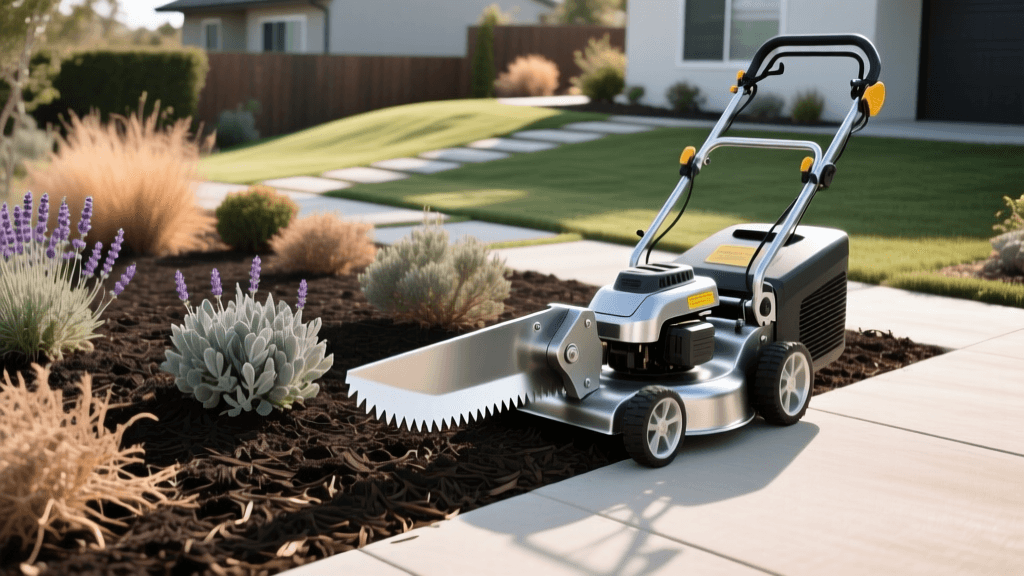
Firewise Lawns 2026: Mulching vs High-Lift Mower Blades
The Critical Role of Lawns in Fire-Resistant Landscaping
As we navigate the 2026 wildfire season, homeowners in fire-prone regions are rethinking their landscaping strategies. A well-maintained lawn is one of the most effective, natural firebreaks available for residential properties. According to the Ready.gov guidelines on wildfire preparation, creating defensible space is essential for protecting your home from radiant heat and flying embers. The area immediately surrounding your home, often designated as Zone 0 and Zone 1, should feature low-growing, high-moisture vegetation. A lush, green, and properly irrigated lawn acts as a radiant heat shield, effectively stopping ground fires from reaching your structure.
However, the way you maintain this green buffer drastically alters its fire-resistant properties. The debate between using a mulching mower blade versus a high-lift blade is no longer just about lawn aesthetics or nutrient recycling; it is a critical decision regarding fuel load management, soil moisture retention, and thatch control. Choosing the wrong blade for the wrong season can inadvertently turn your protective firebreak into a bed of dry tinder. In this comprehensive 2026 guide, we break down the aerodynamics, firewise applications, and seasonal strategies for both blade types to ensure your landscape remains resilient against wildfire threats.
Understanding Mower Blade Aerodynamics and Fire Fuel Loads
To understand how mower blades impact fire-resistant landscaping, we must first look at how they interact with grass biomass. Grass clippings and thatch represent organic fuel. When grass is actively growing, green, and full of moisture, it is highly fire-resistant. As the grass matures, dries out, or dies back during late-summer heatwaves, it becomes fine, highly combustible fuel. The University of California Agriculture and Natural Resources (UC ANR) emphasizes that managing dead vegetation and reducing fine fuels in the immediate landscape is a cornerstone of firewise landscaping. Your mower blade dictates whether that biomass is returned to the soil to build moisture-retaining organic matter, or vacuumed up and removed from the property entirely.
Mulching Blades: Cultivating a Moist, Fire-Resistant Buffer
Mulching blades, often recognizable by their elongated cutting edges and serrated teeth or curved baffles, are designed to keep grass clippings suspended under the mower deck. The blade chops the clippings multiple times until they are reduced to a fine dust, which is then forced back into the soil canopy. In 2026, advanced models like the Oregon G3 Gator Mulching Blade feature aggressive tooth designs that pulverize even tough, thick-bladed warm-season grasses like Bermuda and Zoysia.
Firewise Benefits of Mulching
- Soil Moisture Retention: The fine layer of mulch acts as a protective barrier over the soil, reducing evaporation. Moist soil keeps the root zone cool and ensures the grass remains green and succulent, maintaining its high water content and fire-resistant properties.
- Weed Suppression: By returning nutrients to the soil and shading the ground, mulching encourages a thick, dense turf. A dense lawn chokes out invasive, dry weeds that often serve as primary ladder fuels in residential landscapes.
- Reduced Fertilizer Need: Healthier, naturally fed grass requires less synthetic intervention, promoting a robust root system that survives drought stress without browning prematurely.
The Drawbacks for Fire-Prone Areas
Mulching blades are highly effective during the spring and early summer when grass is actively growing and moisture levels are high. However, if you attempt to mulch during a late-summer drought when the grass is dormant, brown, or weedy, the blade will simply distribute dry, dead biomass across your lawn. This fine, dry material can accumulate as thatch, creating a highly flammable layer right at the soil surface.
High-Lift Blades: Fuel Load Reduction and Thatch Management
High-lift blades feature a distinct, aggressive upward curve at the trailing edge of the blade wings. This design acts like a fan, creating a powerful vacuum under the mower deck. The suction stands the grass blades up for a perfectly level cut and generates enough airflow to propel clippings out of the side discharge chute or up into a bagger attachment. Commercial-grade options, such as the MaxPower Commercial High-Lift Blade, are engineered to maximize airflow even in thick, overgrown conditions.
Firewise Benefits of High-Lift Blades
- Fuel Load Removal: The primary advantage of a high-lift blade in a firewise context is its ability to bag and remove dry biomass. During late summer and early fall, when grasses go dormant and fine fuels accumulate, attaching a bagger to a high-lift mower allows you to physically extract combustible material from your defensible space.
- Thatch Reduction: Thatch is a layer of dead and living shoots, stems, and roots that develops between the zone of green vegetation and the soil surface. Excessive thatch is incredibly flammable and can harbor pests. The vacuum effect of a high-lift blade helps pull up and remove loose thatch and dead material, keeping the fuel load at a minimum.
- Clearing Firebreaks: When maintaining the perimeter of your property or clearing dry brush near fences and outbuildings, high-lift blades paired with a collection system ensure that no dry clippings are left behind to ignite from stray embers.
The Drawbacks for Fire-Prone Areas
Because high-lift blades remove clippings, they also remove valuable organic matter and moisture from the soil ecosystem. If used exclusively throughout the spring and early summer, a high-lift blade can lead to a dry, compacted soil profile that requires significantly more irrigation to keep the lawn green. In a drought-restricted 2026 climate, losing that natural soil moisture can cause your fire-resistant green buffer to turn brown and dormant much faster.
Head-to-Head Comparison Chart
| Feature | Mulching Blade | High-Lift Blade |
|---|---|---|
| Design Profile | Curved with cutting teeth/baffles | Straight with angled lift wings |
| Clipping Disposal | Finely chopped, returned to soil | Discharged or bagged |
| Soil Moisture Impact | High (adds organic mulch layer) | Neutral/Negative (removes biomass) |
| Firewise Best Use | Spring/Early Summer (keep grass green) | Late Summer/Fall (remove dry fuel) |
| Thatch Management | Poor (can contribute to thatch buildup) | Excellent (vacuums up dead matter) |
| Mower Power Required | Moderate (requires torque to chop) | High (requires RPMs to sustain vacuum) |
The 2026 Seasonal Blade Swapping Strategy
To maintain a truly fire-resistant landscape, lawn care professionals in 2026 recommend a seasonal blade-swapping strategy tailored to your local fire season and grass dormancy cycles.
Phase 1: Spring and Early Summer (The Greening Phase)
During the wetter, cooler months and the onset of summer, your primary goal is to establish a thick, green, moisture-rich lawn. Install your mulching blade. Allow the clippings to decompose into the soil, building the organic sponge that will hold irrigation water. Keep your mowing height at the higher end of the recommended spectrum (e.g., 3 to 4 inches for Tall Fescue) to shade the soil and promote deep, drought-resistant roots.
Phase 2: Late Summer and Early Fall (The Fuel Reduction Phase)
As temperatures peak and rainfall ceases, grass growth slows, and the risk of wildfire reaches its zenith. Swap to a high-lift blade and attach your mower's bagging system. Your goal shifts from soil building to fuel reduction. Bag all clippings, especially in areas where weeds have gone to seed or where the grass is beginning to brown. This physical removal of dry biomass drastically reduces the fine fuels available to carry a surface fire toward your home.
Mower Safety: Preventing Spark-Ignited Wildfires
Beyond blade selection, the physical act of mowing poses a significant ignition risk in fire-prone areas. The National Fire Protection Association (NFPA) and local fire marshals consistently warn that mower blades striking hidden rocks, sprinkler heads, or pavement can generate sparks capable of igniting dry grass instantly. To ensure your lawn care routine does not become a fire hazard in 2026, adhere to the following safety protocols:
- Mow Before 10 AM: Never mow dry or dormant grass during the heat of the day. Mow early in the morning when humidity is higher, temperatures are lower, and the grass retains overnight dew.
- Install Spark Arrestors: Ensure your gas-powered mower is equipped with a USDA-approved spark arrestor. If you are upgrading your equipment in 2026, consider transitioning to commercial-grade battery-powered mowers, which completely eliminate the risk of hot exhaust components igniting dry thatch.
- Clear the Zone First: Before mowing, walk the lawn and remove rocks, metal debris, and large sticks that could strike the blade and cause a spark.
- Keep Blades Razor Sharp: Dull blades tear the grass rather than cutting it cleanly. Torn grass tips turn brown and die rapidly, increasing the dry fuel load in your lawn just days after mowing. Sharpen your blades every 25 hours of use.
Conclusion
Fire-resistant landscaping requires a dynamic approach to lawn care. The choice between a mulching mower blade and a high-lift blade is not a matter of one being universally superior; rather, it is about deploying the right tool for the specific environmental conditions of the season. By utilizing mulching blades to cultivate a lush, moisture-retaining green buffer in the spring, and switching to high-lift blades to aggressively remove dry fuel loads in the late summer, you transform your lawn into a highly effective defensible space. Stay vigilant, maintain your equipment, and prioritize moisture management to keep your home protected throughout the 2026 wildfire season and beyond.