Gardening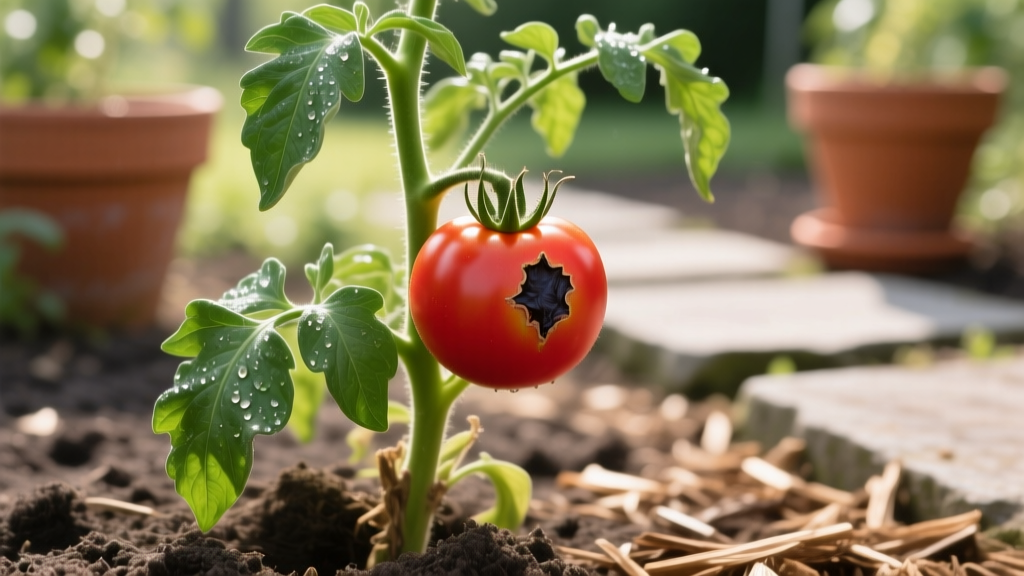
How to Diagnose and Fix Blossom End Rot in Tomatoes
Sarah ChenPublished
The Heartbreak of the Blackened Tomato
There are few things more disappointing for a home gardener than walking out to the vegetable patch, anticipating a vibrant, juicy, homegrown tomato, only to find the bottom of the fruit has turned into a sunken, leathery, black lesion. This notorious condition is known as Blossom End Rot (BER). It strikes fear into the hearts of novice and veteran growers alike, often ruining the first and most prized harvests of the season.
While many gardeners immediately rush to the garden center to buy calcium supplements, the true culprit behind this devastating physiological disorder is rarely a simple lack of calcium in the soil. In this comprehensive diagnostic guide, we will explore the real science behind blossom end rot, how to differentiate it from other tomato diseases, and the exact, actionable steps you can take to save your current crop and prevent future outbreaks.
What Exactly is Blossom End Rot?
Blossom end rot is a physiological disorder, not an infectious disease caused by a fungus, bacteria, or virus. It begins as a small, water-soaked spot on the blossom end (the bottom) of the tomato fruit, opposite the stem. As the fruit expands, the lesion grows, darkens, and becomes sunken and leathery. Eventually, secondary fungi or bacteria may invade the dead tissue, causing the fruit to rot completely.
BER most commonly affects the first fruits of the season when the plant is undergoing rapid vegetative growth and the root system is still developing. It can affect tomatoes, peppers, eggplants, and cucurbits like squash and watermelons, though tomatoes are by far the most susceptible.
The Science: Why Calcium Gets Locked Out
The fundamental mechanism of blossom end rot is a localized calcium deficiency within the developing fruit. Calcium is an essential nutrient that acts as the 'glue' holding plant cell walls together. When a fruit lacks calcium, the cells at the rapidly growing blossom end collapse, resulting in the characteristic black lesion.
However, the soil usually has plenty of calcium. The problem is transportation. Calcium moves through the plant's xylem (the vascular tissue responsible for water transport) via the transpiration stream. Leaves transpire (release water vapor) much more heavily than fruits do. Therefore, when water is limited, or when the plant is experiencing rapid growth, the calcium-rich water is routed to the leaves instead of the fruits.
'According to the Cornell University College of Agriculture and Life Sciences, blossom end rot is a physiological disorder caused by a calcium deficiency in the developing fruit, which is almost always triggered by fluctuating soil moisture levels rather than a lack of calcium in the soil itself.' - Cornell Cooperative Extension
Additionally, excessive nitrogen fertilization promotes rapid leafy growth, which hogs the available water and calcium, starving the fruit. High soil salinity or root damage from aggressive hoeing can also impair the roots' ability to take up water and dissolved calcium.
Differential Diagnosis: BER vs. Other Tomato Ailments
Before applying any treatments, it is crucial to confirm that your tomato is actually suffering from blossom end rot and not a fungal or bacterial pathogen. Use the diagnostic chart below to identify the issue accurately.
| Condition | Location on Fruit | Visual Characteristics | Primary Cause |
|---|---|---|---|
| Blossom End Rot | Blossom end (bottom) | Sunken, dry, leathery, dark brown/black patch. | Calcium transport failure (moisture stress). |
| Sunscald | Side facing the sun | Papery, white or grayish blistered patches. | Direct, intense UV exposure on exposed fruit. |
| Late Blight | Anywhere, often starting top/sides | Firm, dark brown/green greasy spots; white fuzzy mold in humidity. | Fungal-like pathogen (Phytophthora infestans). |
| Anthracnose | Anywhere, usually ripe fruit | Circular, sunken spots with dark concentric rings; salmon-colored spores. | Fungal pathogen (Colletotrichum). |
Immediate Triage: Saving Your Current Crop
If you are currently seeing blossom end rot on your tomatoes, you cannot 'cure' the affected fruits. The damaged tissue will never turn red or heal. Your immediate goal is to protect the new fruits that are currently forming. Follow these emergency steps:
- Remove Affected Fruit: Pick off all tomatoes showing signs of BER and discard them in the compost. Leaving them on the plant wastes the plant's energy and invites secondary pests and diseases.
- Stabilize Soil Moisture: This is the most critical step. Tomatoes require 1 to 1.5 inches of water per week, but consistency is more important than volume. Use a rain gauge to track precipitation. If the top two inches of soil are dry, water deeply at the base of the plant. Avoid overhead watering, which promotes fungal foliar diseases.
- Apply Mulch Immediately: If your soil is bare, apply a 2 to 3-inch layer of organic mulch (straw, shredded leaves, or untreated grass clippings) around the base of the plants. Keep the mulch 2 inches away from the main stem to prevent crown rot. Mulch acts as a buffer, drastically reducing soil evaporation and keeping moisture levels stable.
- Halt High-Nitrogen Fertilizers: Stop using synthetic fertilizers high in nitrogen (like ammonium nitrate or urea). Ammonium-based fertilizers compete directly with calcium for uptake in the root zone, exacerbating the problem.
Long-Term Prevention: Soil and Moisture Management
Preventing blossom end rot starts months before you even plant your seedlings, during the soil preparation phase.
1. Test and Adjust Soil pH
Calcium is most available to tomato plants when the soil pH is between 6.5 and 6.8. If your soil is too acidic (below 6.0), calcium becomes chemically locked up. Conduct a soil test using a local university extension service or a reliable home kit. If your pH is low, incorporate dolomitic lime or calcitic lime into the soil in the fall or early spring, following the test's exact recommendations. Lime takes months to break down and alter soil chemistry.
2. Build Soil Structure with Organic Matter
Soils that drain too quickly (sandy soils) or hold too much water (heavy clay) both contribute to moisture fluctuations that trigger BER. Amending your garden beds with 2 to 3 inches of finished compost annually improves the soil's water-holding capacity while ensuring adequate drainage and root aeration.
3. Hardening Off and Planting Depth
When transplanting, bury the tomato stem deep (up to the first set of true leaves). Tomatoes will sprout adventitious roots along the buried stem, creating a massive, robust root system capable of scavenging water and calcium from a larger soil volume, making the plant highly resilient to short dry spells.
Container Gardening: Special Considerations
Tomatoes grown in containers or raised beds are significantly more prone to blossom end rot. Containers dry out much faster than in-ground soil, leading to rapid moisture fluctuations. To combat this in containers:
- Use large pots: Minimum 15 to 20 gallons per indeterminate tomato plant.
- Use high-quality potting mix: Never use garden soil in containers, as it compacts and restricts root growth. Look for mixes containing peat moss or coco coir for moisture retention.
- Install drip irrigation: For container gardens, a simple drip system on a timer ensures the soil never completely dries out, eliminating the primary trigger for BER.
- Add Gypsum to the mix: Incorporate 1/4 cup of agricultural gypsum into the potting mix at the time of planting to provide a slow-release, pH-neutral source of calcium.
Recommended Products and Estimated Costs
If a soil test confirms a true calcium deficiency, or if you need to amend the soil without altering the pH, the following products are highly recommended. Prices are approximate and based on national retail averages.
| Product Type | Specific Example | Application Rate | Est. Cost |
|---|---|---|---|
| Agricultural Gypsum | Espoma Organic Gypsum | 1-2 lbs per 100 sq ft (pre-plant) | $12.00 / 4 lbs |
| Calcitic Lime | Pennington Fast Acting Lime | Per soil test (usually 5 lbs/100 sq ft) | $15.00 / 30 lbs |
| Calcium Nitrate | Greenway Biotech Calcium Nitrate | 1 tbsp per gallon of water (side-dress) | $25.00 / 5 lbs |
| Organic MulchStraw Bales (Seedless) | 2-3 inch layer around plants | $8.00 / bale |
Debunking the Epsom Salt Myth
One of the most pervasive and damaging myths in gardening forums is that applying Epsom salts (magnesium sulfate) cures blossom end rot. This is entirely false and can actually make the problem worse.
Epsom salts contain magnesium, not calcium. Furthermore, magnesium and calcium compete for the same uptake pathways in the plant's root system. By flooding the soil with magnesium via Epsom salts, you inadvertently block the roots from absorbing the already scarce calcium, accelerating the onset of blossom end rot. According to the University of Minnesota Extension, adding Epsom salts to soil that does not have a verified magnesium deficiency is detrimental to tomato health and fruit production.
Similarly, avoid commercial 'calcium foliar sprays'. While they sound like a quick fix, calcium is practically immobile within the plant's phloem. Spraying calcium on the leaves will not transport the nutrient down to the developing fruits, and spraying it directly on the fruit is largely ineffective because the waxy cuticle of the tomato skin prevents absorption. Focus your efforts on the roots and soil moisture.
Final Thoughts
Blossom end rot is a frustrating but entirely manageable condition. By shifting your focus from simply 'adding calcium' to managing soil moisture, building robust root systems, and maintaining proper soil pH, you can virtually eliminate BER from your garden. Monitor your watering closely, mulch heavily, and trust the science of plant physiology to guide your harvest to a healthy, bountiful conclusion.
