Home & Garden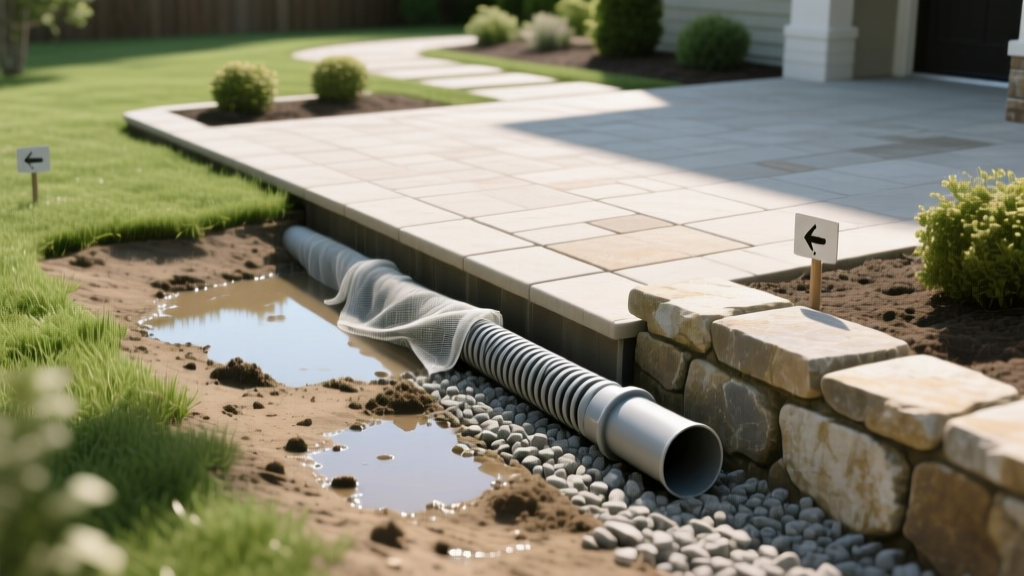
Diagnose and Fix Outdoor Hardscape Drainage Issues
Lisa ThompsonPublished
Identifying the Root Cause of Hardscape Water Pooling
Water pooling on your patio, walkway, or outdoor kitchen area is more than just a nuisance that ruins weekend barbecues. Standing water on hardscapes creates severe slip hazards, accelerates the degradation of concrete and natural stone, and can lead to catastrophic foundation damage if the water migrates toward your home. Furthermore, stagnant water is a prime breeding ground for mosquitoes, disrupting your outdoor living experience. Before investing in expensive landscaping overhauls, it is crucial to accurately diagnose why your outdoor hardscape is failing to shed water.
Most hardscape drainage issues stem from three primary culprits: improper slope and grading, soil settlement beneath the hardscape, or inadequate perimeter drainage systems. When hardscapes are initially installed, they must be graded to direct water away from the home's foundation and toward a designated runoff area, such as a dry well, French drain, or municipal storm drain. Over time, however, freeze-thaw cycles, heavy foot traffic, and soil erosion can alter this delicate slope, causing water to pool in low-lying depressions.
The String Level Test: Diagnosing Improper Slope
The industry standard for hardscape drainage requires a minimum slope of 1/4 inch per linear foot away from the home's foundation. To diagnose whether your patio meets this requirement, you will need a string line, a string level, a tape measure, and two stakes. Drive one stake into the ground near the house and the second stake at the outer edge of the patio. Tie the string to the first stake at ground level, pull it taut to the second stake, and use the string level to ensure it is perfectly horizontal. Measure the distance from the string down to the patio surface at the outer edge. If the drop is less than 1/4 inch per foot of distance, your grading is insufficient, and water will naturally pool or flow back toward your foundation.
Common Hardscape Drainage Problems and Quick Fixes
1. Soil Settlement and Sunken Concrete Slabs
If your concrete patio was poured directly over poorly compacted soil, the ground beneath it will eventually settle, creating sunken areas where water collects. Instead of tearing out and repouring the concrete, consider polyurethane foam mudjacking. This process involves drilling small 5/8-inch holes into the sunken slab and injecting high-density structural polyurethane foam. The foam expands, lifting the concrete back to its original grade. Polyurethane mudjacking typically costs between $5 and $25 per square foot, cures in under 15 minutes, and is significantly lighter and more water-resistant than traditional cement slurry mudjacking.
2. Clogged or Inadequate Drainage Channels
Many patios rely on surface trench drains or channel drains to capture runoff. Over time, these drains become clogged with leaves, dirt, and debris. If your patio has an existing channel drain that is overwhelmed during heavy rain, upgrade to a high-capacity system like the NDS 5-inch Pro Series Channel Drain. This system features a deeper trough and heavier load-bearing grates capable of handling high-volume water flow. Ensure the drain outlet pipe is sloped at a minimum of 1/8 inch per foot and discharges into a pop-up emitter or daylighted at least 10 feet away from your home's foundation.
Step-by-Step Solutions for Severe Drainage Issues
Installing a French Drain System
When surface grading is impossible due to existing structures or property lines, a French drain is the most effective subsurface solution. A French drain intercepts groundwater and surface runoff before it can pool on your hardscape.
- Planning and Trenching: Dig a trench 12 inches wide and 18 to 24 inches deep along the perimeter of the pooling area. Maintain a consistent slope of 1 inch per 8 feet toward the discharge point.
- Lining and Gravel Base: Line the trench with heavy-duty woven geotextile filter fabric (such as US Fabrics 4oz) to prevent soil from clogging the system. Add a 2-inch base layer of washed, crushed gravel (3/4-inch clean stone).
- Pipe Installation: Lay a 4-inch perforated corrugated pipe (like the ADS Single-Wall Pipe) or a rigid PVC pipe with the holes facing downward. This allows water to enter from the bottom and sides while maintaining structural integrity.
- Backfilling: Cover the pipe with more washed gravel until the trench is filled to within 3 inches of the surface. Fold the excess filter fabric over the top of the gravel to create a 'burrito' effect, then cover with topsoil or decorative river rock.
The average cost for a DIY French drain installation ranges from $15 to $30 per linear foot, primarily driven by the cost of gravel, pipe, and fabric. Professional installation typically ranges from $50 to $85 per linear foot.
Upgrading to Permeable Pavers
If you are planning a complete hardscape renovation, permeable pavers offer an elegant, eco-friendly solution to drainage problems. Unlike traditional concrete or stone, permeable pavers are spaced slightly apart, and the joints are filled with small, crushed aggregate rather than sand. This allows rainwater to percolate directly through the surface and into a specialized open-graded base of crushed stone, effectively eliminating surface runoff.
Brands like Belgard and Pavestone offer high-quality permeable paver systems. Installation requires excavating 10 to 14 inches of soil and replacing it with layers of progressively smaller crushed stone (typically a 6-inch base of 2-inch stone, a 2-inch bedding layer of 1/2-inch stone, and the pavers on top). While the upfront cost is higher—ranging from $15 to $30 per square foot installed—the long-term benefits include reduced stormwater fees, elimination of pooling, and a beautiful, customizable outdoor living space.
Comparison Chart: Hardscape Drainage Solutions
| Solution Method | Best Used For | Estimated Cost | DIY Difficulty | Longevity |
|---|---|---|---|---|
| Polyurethane Mudjacking | Sunken concrete slabs | $5 - $25 / sq ft | Professional Only | 10 - 20+ Years |
| Surface Channel Drains | High-volume surface runoff | $30 - $80 / linear ft | Intermediate | 15 - 25 Years |
| French Drain Trench | Subsurface water & saturation | $15 - $30 / linear ft | Advanced DIY | 20 - 30+ Years |
| Permeable Pavers | Full patio replacement & eco-design | $15 - $30 / sq ft | Professional / Expert DIY | 30+ Years |
| Regrading & Topdressing | Minor slope issues on pavers | $2 - $5 / sq ft | Beginner | 5 - 10 Years |
Expert Insights and Authoritative Guidelines
When addressing hardscape drainage, it is vital to consider the broader impact on your local watershed and municipal stormwater infrastructure. According to the Penn State Extension's comprehensive guidelines on stormwater management, 'impervious surfaces like concrete patios significantly increase runoff volume and velocity, which can lead to localized flooding, soil erosion, and foundation damage if not properly managed with permeable alternatives or directed drainage systems.'
The Extension office highly recommends integrating Low Impact Development (LID) practices into residential landscaping. By utilizing permeable pavers, rain gardens, and dry wells adjacent to your hardscapes, you can mimic the natural hydrology of your property, allowing water to infiltrate the soil slowly rather than overwhelming municipal drains or flooding your basement.
Integrating Smart Home Technology for Moisture Monitoring
Bridging the gap between outdoor maintenance and indoor smart home ecosystems can provide early warnings for severe drainage failures. Consider installing WiFi-enabled water leak and freeze detectors, such as the Govee WiFi Water Leak Detectors or the Moen Flo Smart Water Monitor, in your basement or crawlspace directly adjacent to the outdoor patio. If your hardscape drainage fails and water begins to breach the foundation threshold, these smart sensors will instantly push notifications to your smartphone, allowing you to intervene before thousands of dollars in interior water damage occur.
Additionally, integrating smart soil moisture sensors into the landscaping beds bordering your hardscape can help you monitor subsurface saturation levels. If the soil remains at 100% capacity for days after a rainstorm, it is a clear indicator that your French drain or dry well is clogged or undersized, prompting proactive maintenance before the next heavy storm.
Seasonal Maintenance to Prevent Future Pooling
Even the most meticulously engineered drainage systems will fail without routine seasonal maintenance. Implement this bi-annual checklist to keep your outdoor hardscapes dry and functional:
- Spring Inspection: After the final frost, inspect all concrete slabs and pavers for frost heave or settling. Clear all channel drain grates of winter debris, sand, and salt residue. Flush underground drain pipes with a garden hose or pressure washer on a low setting to ensure the pop-up emitters are functioning freely.
- Fall Preparation: Before leaf drop, install specialized catch basin inserts or gutter guards over your hardscape drains to prevent organic matter from entering the subsurface pipes. Reseal natural stone and concrete hardscapes with a breathable, siloxane-based penetrating sealer to prevent water absorption and subsequent freeze-thaw cracking during the winter months.
By systematically diagnosing the root causes of water pooling and implementing targeted, structurally sound solutions, you can protect your home's foundation, preserve your outdoor living investments, and enjoy a dry, beautiful hardscape for decades to come.
