Home & Garden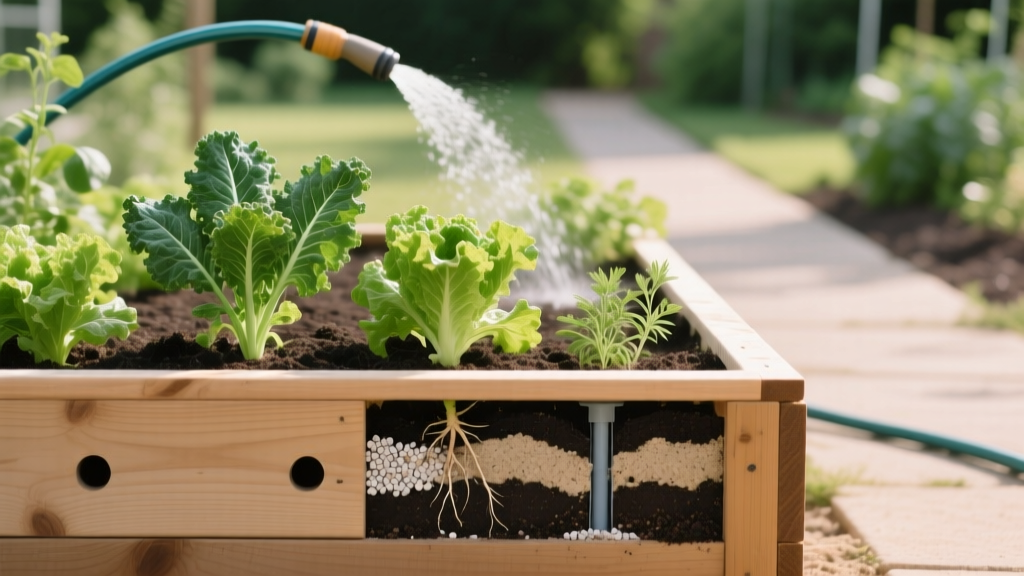
Fixing Poor Drainage in Raised Vegetable Garden Beds
Robert HayesPublished
The Hidden Danger of Waterlogged Raised Beds
Raised bed gardening is often touted as the ultimate solution for homeowners struggling with heavy clay soil, poor grading, or compacted urban landscapes. By elevating the planting zone, you theoretically bypass native soil limitations, creating an ideal, well-draining environment for garden-to-table crops like heirloom tomatoes, crisp cucumbers, and delicate root vegetables. However, a frustrating and surprisingly common problem arises when these engineered beds fail to drain, transforming into waterlogged bathtubs that suffocate roots, invite fungal pathogens like Phytophthora, and ultimately ruin your harvest. Diagnosing and fixing poor drainage in raised vegetable garden beds requires a systematic approach, blending traditional horticultural science with modern structural and smart-home solutions.
Step 1: Diagnosing the Root Cause of Waterlogging
Before you start amending soil or dismantling bed walls, you must accurately diagnose why water is pooling. Symptoms of poor drainage include a persistent soggy surface hours after rain, a sour or anaerobic odor (resembling sulfur or rotten eggs), and the presence of algae or moss on the soil surface. Plant roots may appear brown, mushy, and easily slough off, indicating advanced root rot.
The Raised Bed Percolation Test
To quantify your drainage issue, perform a simple percolation test. Dig a hole 12 inches deep and 6 inches wide in the center of your raised bed. Fill the hole with water and allow it to drain completely to prime the surrounding soil. Refill the hole to the top and measure how long it takes for the water level to drop by 6 inches.
- Ideal Drainage: 1 to 3 inches per hour.
- Moderate Concern: Less than 1 inch per hour.
- Severe Problem: Water remains after 4 hours, indicating a hardpan or impermeable base layer.
Step 2: Debunking the Gravel Layer Myth
Many DIY gardeners mistakenly believe that placing a 2-to-4-inch layer of gravel or rocks at the bottom of a raised bed will improve drainage. Horticultural science proves the exact opposite. According to Washington State University (WSU) Extension, adding a coarse gravel layer beneath fine potting soil creates a perched water table. Water moving through the fine soil pores will not easily cross the textural boundary into the large gravel pores until the fine soil is completely saturated. Consequently, the soil directly above the gravel remains waterlogged, precisely where your shallow-rooted vegetables are trying to grow.
"The idea that a layer of gravel at the bottom of a container or raised bed improves drainage is a persistent gardening myth. It actually moves the saturated zone closer to the plant roots, increasing the risk of root rot." — Washington State University Extension Service
If your raised bed was built with a gravel base and an impermeable landscape fabric weed barrier, the fabric is likely clogged with fine soil particles, acting as a dam. The immediate solution is to carefully excavate the bottom few inches of soil, remove the landscape fabric entirely, and mix the native subsoil with the imported topsoil to blur the textural boundary.
Step 3: Proven Soil Amendment Solutions
Over time, the organic matter in raised beds decomposes, causing the soil structure to collapse and compact. To restore macroporosity—the large air spaces necessary for water to drain and roots to breathe—you must incorporate coarse, non-decomposing amendments. The ideal raised bed soil ratio is often cited as 40% topsoil, 40% compost, and 20% aeration material. If drainage is failing, shift that ratio to increase aeration.
Top Amendment Products and Costs
- Horticultural Pumice ($35 - $50 per cubic yard): Pumice is a porous volcanic rock that holds moisture and nutrients in its tiny vesicles while providing exceptional structural drainage. It is heavier than perlite, meaning it will not float to the top of your bed over time.
- Coarse Perlite ($25 per 4-cubic-foot bag): Products like Black Gold Perlite are lightweight and highly effective for loosening compacted soil. However, in outdoor raised beds exposed to heavy rain and wind, perlite can eventually migrate to the surface.
- Coarse Builder's Sand ($30 per ton): Avoid fine play sand, which acts like concrete when mixed with clay. You need coarse, angular builder's sand (often labeled as sharp sand) to create friction and air pockets between particles.
- Wood Chips and Arborist Chips (Often Free): While excellent for mulching the surface, incorporating raw wood chips directly into the soil can tie up nitrogen as they decompose. Use them only as a top dressing to prevent surface compaction from heavy rain.
To amend an existing 4x8-foot bed that is 12 inches deep, you will need to remove roughly 20% of the existing volume (about 5 cubic feet) and replace it with a 50/50 blend of pumice and coarse sand. Use a broadfork or a heavy-duty garden fork to gently lift and turn the soil without destroying the soil microbiome.
Step 4: Structural and Base Modifications
If your raised bed sits directly on heavy native clay, the clay itself may form a hardpan that prevents water from escaping the bottom of the bed.
Deep Tilling the Subsoil
Before filling a new bed, or when emptying an old one, use a broadfork (such as the Meadow Creature Broadfork, approx. $160) to fracture the native clay subsoil 8 to 12 inches deep. This creates deep fissures for water to escape into the native earth without turning the soil upside down, which preserves the vital topsoil ecosystem.
Installing a French Drain for Low-Lying Beds
If your raised bed is situated in a topographical depression where surface runoff from the rest of your yard pools around the base, no amount of soil amendment will save you. You must intercept the water before it reaches the bed. Dig a 6-inch wide by 12-inch deep trench along the uphill side of the bed. Line it with permeable geotextile fabric, install a 4-inch perforated PVC pipe (sloped at 1/8 inch per foot away from the bed), and cover it with washed drainage gravel. This simple $75 DIY project can entirely alter the hydrology of your garden space.
Step 5: Integrating Smart Moisture Monitoring
Bridging the gap between traditional gardening and smart home integration allows you to monitor soil conditions in real-time, preventing overwatering and diagnosing drainage issues before plants show stress.
- Rachio Wireless Flow Meter ($60): If your raised beds are on a smart drip irrigation system, this device attaches to your mainline to detect micro-leaks and measure exact water usage, ensuring you are not inadvertently flooding a bed with a stuck valve.
- Xiaomi Mi Flora or Ecowitt WH51 Soil Moisture Sensors ($15 - $40): Bury these Bluetooth or Wi-Fi enabled probes at two depths: 3 inches below the surface (where shallow roots feed) and 10 inches deep (near the base). If the deep sensor reads 90% saturation hours after irrigation has ceased, you have a confirmed drainage or hardpan issue that requires physical intervention.
Drainage Amendment Comparison Chart
| Amendment Material | Average Cost | Drainage Efficiency | Longevity in Soil | Best Application |
|---|---|---|---|---|
| Horticultural Pumice | $40 / cu yd | Excellent | Permanent | Heavy clay mixes, deep raised beds |
| Coarse Perlite | $25 / 4 cu ft | Very High | 5-7 Years (crushes over time) | Container gardening, lightweight beds |
| Coarse Builder's Sand | $30 / ton | Good | Permanent | Breaking up clay loam, root crop beds |
| Composted Pine Bark | $35 / cu yd | Moderate | 2-3 Years (decomposes) | Acid-loving plants, general aeration |
Preventative Maintenance for Long-Term Success
Fixing drainage is not a one-time event; it requires ongoing seasonal maintenance. Avoid stepping or kneeling on the soil in your raised beds, as human weight rapidly compresses soil pores. Invest in a kneeler board or build the beds narrow enough (no wider than 4 feet) so you can reach the center from the paths.
Furthermore, implement a cover cropping strategy during the off-season. Planting deep-rooted cover crops like daikon radish or annual ryegrass in the fall acts as a biological broadfork. The roots penetrate compacted layers, and when they die back in winter, they leave behind decaying channels that drastically improve spring water percolation. By combining proper soil physics, structural interventions, and smart monitoring, your raised beds will transition from waterlogged hazards to highly productive, garden-to-table engines.
