Gardening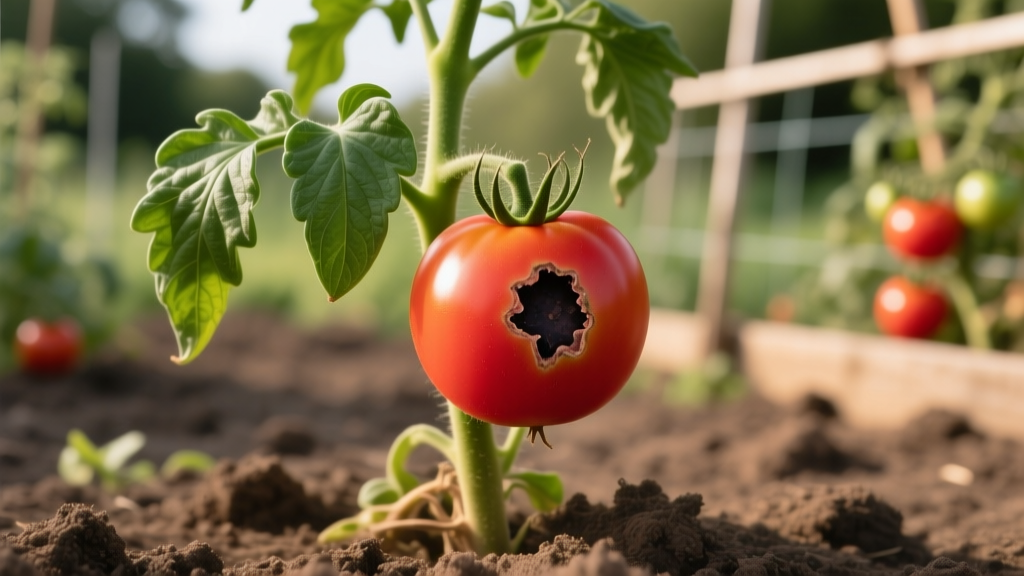
How to Diagnose and Fix Blossom End Rot in Tomatoes
Sarah ChenPublished
Identifying Blossom End Rot: Is Your Tomato Crop at Risk?
If you have ever walked out to your vegetable garden expecting to harvest a beautiful, ruby-red tomato, only to find a sunken, leathery, black lesion on the bottom of the fruit, you have encountered blossom end rot (BER). This physiological disorder is the bane of home gardeners, particularly those growing paste and plum varieties. But before you reach for a bag of fertilizer, it is crucial to understand that diagnosing the problem correctly is the only way to save your harvest. Blossom end rot is not a disease caused by a fungus or bacteria; it is a physiological condition related to calcium mobility and water stress.
Symptom Checklist: BER vs. Other Tomato Diseases
Before applying treatments, confirm that your tomatoes are actually suffering from blossom end rot and not a fungal pathogen like Anthracnose or early blight. Use this diagnostic checklist:
- Location: The lesion appears exclusively on the blossom end (the bottom) of the fruit, directly opposite the stem.
- Texture and Color: It begins as a small, water-soaked, pale green or yellow spot that rapidly expands into a dry, sunken, leathery black or dark brown lesion.
- Timing: It is most common on the first flush of fruit when plants are rapidly expanding their root and leaf canopy simultaneously.
- Absence of Spores: Unlike fungal diseases, BER does not produce fuzzy spores or concentric target-like rings, though secondary fungi may colonize the dead tissue later.
The True Culprit: Water Stress and Calcium Mobility
A common misconception is that blossom end rot is strictly caused by a lack of calcium in the soil. In reality, most garden soils contain more than enough calcium. The issue is calcium mobility. Calcium moves through the plant's xylem (the water-conducting tissue) alongside water, driven by transpiration (water evaporating from the leaves).
Leaves transpire heavily, effectively pulling calcium toward them. Fruits, however, have a very low transpiration rate and rely mostly on the phloem for sugars and nutrients. Because calcium does not move well in the phloem, the fruit is at the very end of the supply chain. If the soil dries out even briefly, or if the plant is overwatered and roots suffocate, the water flow in the xylem slows. The rapidly dividing cells at the blossom end of the fruit collapse due to weak cell walls, resulting in the characteristic black rot.
"Blossom end rot is a physiological disorder caused by a localized calcium deficiency in the developing fruit. It is almost always triggered by fluctuating soil moisture levels rather than an actual lack of calcium in the soil."
— Cornell University College of Agriculture and Life Sciences, Vegetable Growing Guides
Immediate Solutions: How to Save Your Current Crop
If you spot blossom end rot on your early tomatoes, do not panic. You can stop it from affecting the rest of your harvest by implementing these immediate, actionable steps:
1. Stabilize Soil Moisture Immediately
Tomatoes require 1.5 to 2 inches of water per week. The key is consistency. Install a drip irrigation system with emitters rated at 1 gallon per hour (GPH). Run the system for 45 minutes twice a week, adjusting based on rainfall. Never use overhead sprinklers, as wet foliage invites fungal diseases and fails to deliver water directly to the root zone where calcium uptake occurs.
2. Apply a Thick Layer of Mulch
Apply 2 to 3 inches of seedless straw or shredded leaves around the base of the plants, keeping the mulch a few inches away from the main stem to prevent rot. Mulch acts as a buffer, preventing the soil surface from drying out rapidly during midday heat and keeping soil temperatures stable.
3. Use a Fast-Acting Foliar Calcium Spray (With Caveats)
While you cannot "cure" a tomato that already has blossom end rot (the damaged tissue will not heal), you can protect newly forming fruit. Use a liquid calcium chloride spray, such as Bonide Rot-Stop or Ferti-lome Yield Booster (typically costing $10 to $15 per quart). Spray the foliage and new flower clusters in the early morning or late evening to prevent leaf burn. Note: Foliar calcium is poorly transported into the fruit, but it provides a temporary bridge while you fix the soil moisture issues.
4. Remove Affected Fruit
Pick off any tomatoes showing signs of BER and compost them. This redirects the plant's energy toward developing healthy new fruit and prevents secondary pests and fungi from taking up residence in the dead tissue.
Comparing Calcium Amendments for the Garden
If a soil test confirms your garden is genuinely deficient in calcium, you must choose the right amendment. Here is a breakdown of common calcium sources, their speed of action, and best use cases.
| Amendment / Treatment | Speed of Action | Cost Estimate | Best Use Case |
|---|---|---|---|
| Liquid Calcium Chloride Spray | 1-2 Weeks | $10 - $15 / qt | Emergency rescue for new flower clusters (does not cure existing rot) |
| Calcium Nitrate Fertilizer (15.5-0-0) | 2-3 Weeks | $25 / 50 lb bag | Side-dressing during early fruit set for rapid root uptake |
| Pelleted Gypsum (Calcium Sulfate) | 1-2 Months | $15 / 50 lb bag | Pre-season soil prep; adds calcium without altering soil pH |
| Garden Lime (Calcium Carbonate) | 3-6 Months | $10 / 40 lb bag | Raising acidic soil pH to the optimal 6.2 - 6.8 range |
| Crushed Eggshells | 1-3 Years | Free | Compost addition only; entirely ineffective for acute BER prevention |
Long-Term Prevention: Soil Prep and Fertilizer Choices
Preventing blossom end rot next season starts with proper soil preparation and understanding how different fertilizers interact with calcium.
Test and Adjust Soil pH
Calcium is most bioavailable to tomato plants when the soil pH is between 6.2 and 6.8. Use a reliable home testing kit, such as the Luster Leaf Rapitest Soil Test Kit ($15-$20), or send a sample to your local university extension. If your pH is below 6.0, incorporate garden lime in the fall. If your pH is already optimal but calcium is low, use Gypsum (calcium sulfate), which adds calcium without raising the pH.
Avoid Ammonia-Based Nitrogen Fertilizers
This is a critical mistake many gardeners make. High-nitrogen fertilizers, particularly those containing ammonia or urea (like standard 46-0-0 synthetic fertilizers), force the plant to produce rapid, lush vegetative growth. Furthermore, ammonium ions actively compete with calcium ions for uptake at the root zone. Instead, use a balanced organic fertilizer like Espoma Garden-tone (3-4-4) or a nitrate-based calcium fertilizer if a deficiency is confirmed.
Common Blossom End Rot Myths Debunked
The internet is full of anecdotal "hacks" for fixing blossom end rot. Here is the science on why you should avoid them:
- The Tums/Antacid Myth: Dissolving calcium carbonate tablets in water and pouring it at the base of the plant is ineffective. Calcium carbonate requires acidic soil and time to break down into a bioavailable form. It will not provide an immediate fix.
- The Powdered Milk Spray: Spraying milk on leaves or soil does not provide bioavailable calcium to the plant. Instead, it creates a foul odor, promotes the growth of unwanted bacteria, and attracts pests.
- The Epsom Salt Trap: Epsom salt is magnesium sulfate. Magnesium and calcium compete for the exact same uptake receptors in the plant's roots. Adding Epsom salts to a plant suffering from BER will actually worsen the calcium deficiency by blocking its absorption.
Choose Resistant Tomato Varieties
If you live in a region with extreme heat and erratic rainfall, blossom end rot may be an annual battle. You can minimize your frustration by selecting tomato varieties that are less prone to the disorder.
Highly Susceptible Varieties: Paste, plum, and Roma tomatoes (e.g., San Marzano, Roma VF) are notoriously prone to BER because of their dense cellular structure and rapid fruit expansion. Large, early-producing slicing tomatoes like 'Early Girl' are also at high risk.
Highly Resistant Varieties: Cherry and grape tomatoes (e.g., 'Sungold', 'Sweet 100', 'Juliet') rarely suffer from blossom end rot. Their smaller size and different calcium partitioning mechanisms allow them to develop fruit successfully even under mild water stress.
Summary Checklist for a Healthy Tomato Harvest
Keep this quick checklist in mind throughout the growing season to keep your tomatoes healthy, firm, and rot-free:
- Test soil pH in early spring; aim for 6.2 to 6.8.
- Amend soil with compost and Gypsum if calcium is historically low.
- Mulch plants with 3 inches of straw immediately after transplanting.
- Implement drip irrigation to deliver 1.5 inches of water weekly.
- Avoid high-nitrogen, ammonia-based synthetic fertilizers.
- Pick off any early fruit showing signs of BER to redirect plant energy.
By focusing on consistent watering and root health rather than blindly dumping calcium into the soil, you will effectively eliminate blossom end rot and enjoy a bountiful, picture-perfect tomato harvest.
