
Landscaping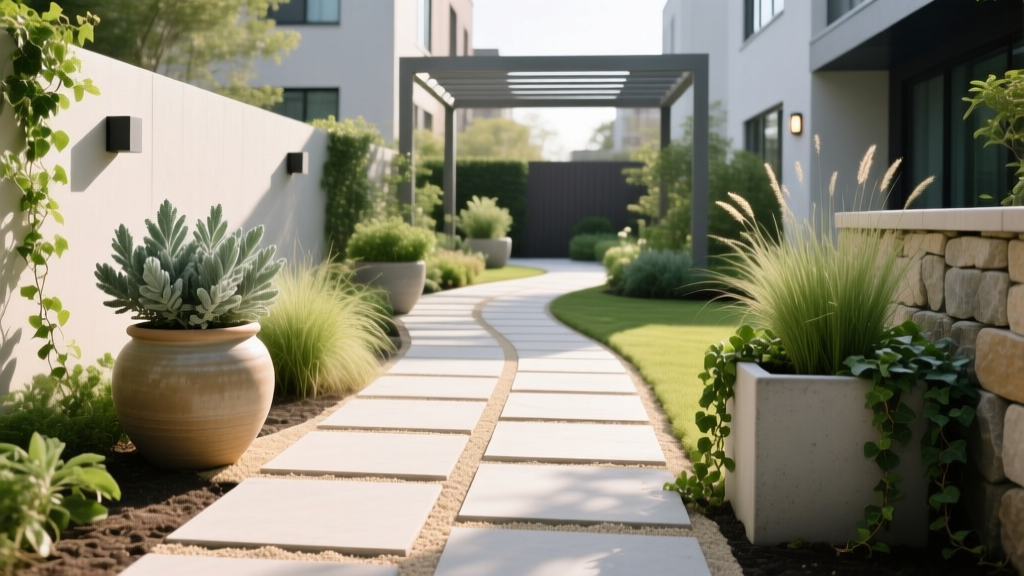
Flagstone Walkway Polymeric Sand For Pots 2026 Guide
Mike RodriguezPublished
The Intersection of Hardscaping and Container Gardening
As container and pot gardening continues to dominate landscape design in 2026, the spaces between your planters matter just as much as the botanical arrangements inside them. Whether you are cultivating a curated collection of oversized glazed ceramic pots, utilizing modular Corten steel planters, or managing a fleet of heavy terracotta containers, the ground beneath them dictates both the health of your plants and the aesthetic of your outdoor living space. For the dedicated container gardener, a flagstone walkway installed with polymeric sand joints represents the ultimate synthesis of structural integrity, visual elegance, and practical maintenance.
Unlike traditional garden beds, container gardens require frequent watering, precise fertilization, and occasional repositioning to chase the sun or protect from frost. Loose gravel paths shift under the weight of a loaded wheelbarrow, while bare soil turns into a muddy splash zone that stains the base of your prized planters. Flagstone provides a solid, level foundation for heavy pots, while modern polymeric sand ensures that the joints between the stones remain locked, weed-free, and impervious to the heavy runoff generated by daily container watering.
Why Polymeric Sand is a Container Gardener’s Best Friend
In the past, mason sand or stone dust was the standard for jointing flagstone. However, for container gardeners, regular sand presents a massive headache. Every time you water a large pot, the runoff washes the sand out of the joints, creating depressions that collect debris and invite weed growth. Furthermore, loose sand is a primary attractant for pavement ants, which can quickly migrate into the soil of your nearby containers, disturbing root systems and farming aphids on your prized foliage.
Polymeric sand solves these issues entirely. Composed of fine sand mixed with water-activated polymers, it hardens into a flexible, durable bond that resists washout, weed germination, and insect infiltration. According to the Interlocking Concrete Pavement Institute (ICPI), modern jointing sands not only stabilize the hardscape but also allow for adequate permeability, ensuring that excess water from your container saucers can drain effectively without pooling around the base of your pots, which can lead to root rot and frost damage in colder months.
2026 Material Trends and Load-Bearing Specs
The landscaping industry has seen significant advancements in 2026, particularly regarding eco-friendly, bio-resin polymeric sands that offer superior flexibility during freeze-thaw cycles while remaining non-toxic to nearby plant life. When designing a path specifically to accommodate container gardening, thickness and load-bearing capacity are your primary concerns.
- Flagstone Thickness: Opt for flagstone that is at least 1.5 to 2 inches thick. Thinner stones (often sold as "steppers") are prone to cracking when a 300-pound whiskey barrel planter is rolled over them or when a heavy garden cart drops a load of potting soil.
- Stone Selection: Dense stones like Pennsylvania Bluestone or thick slate are ideal. They provide a flat surface that prevents tall, narrow pots from tipping over, a common issue on uneven or rounded stones.
- Joint Width: Maintain joints between 1/2 inch and 1 inch. This provides enough surface area for the polymeric sand to grip the edges of the stone, creating a structural web that supports the edges of the flagstone under heavy, concentrated loads.
Step-by-Step Installation for the Container Enthusiast
Building a pathway that can handle the rigors of container gardening requires meticulous base preparation. As noted by experts at Fine Gardening, the longevity of any stone path is determined entirely by what lies beneath it.
1. Excavation and Base Preparation
To support the dynamic weight of moving large containers and transporting bags of soil, you must excavate to a depth of 6 to 8 inches. Fill the trench with a Class II crushed rock base (often called road base or crusher run). This material contains a mix of stone sizes and stone dust, which compacts into a nearly concrete-like surface. Use a mechanical plate compactor to tamp the base in 2-inch lifts. A perfectly level, heavily compacted base ensures that your flagstone will not settle unevenly, which would otherwise cause tall, top-heavy container plants to lean and eventually topple.
2. Laying the Flagstone
Once the base is compacted, add a 1-inch layer of coarse, sharp sand or stone dust to create a setting bed. Begin laying your flagstone, using a rubber mallet to tap each piece into the setting bed. Use a long carpenter's level to ensure the path is flat. For container gardeners, a slight 1% to 2% slope away from your house is necessary for drainage, but the lateral surface must be exceptionally flat to prevent pots from rocking. If a pot rocks on the stone, the constant vibration from wind and watering will eventually fracture the ceramic or terracotta.
3. Applying Polymeric Sand
After the stones are set, sweep the polymeric sand into the joints. It is critical that the stones are completely dry before application. Sweep the sand until it is flush with the surface of the stone, then use your plate compactor (with a protective urethane pad attached to prevent scratching the stone) to vibrate the sand deep into the joints. Top off any low spots, sweep the surface completely clean of residual dust, and mist the area with a gentle shower nozzle. The water activates the polymers, locking the joints tight. Allow 24 to 48 hours to cure before placing any heavy planters or saucers on the path.
2026 Cost & Material Comparison Table
When budgeting your 2026 landscape renovation, it is helpful to understand the current market costs for materials specifically suited to heavy container traffic. Below is a breakdown of average regional costs and material performance metrics.
| Material Component | 2026 Avg. Cost (per sq. ft. or unit) | Container Garden Benefit |
|---|---|---|
| Class II Crushed Road Base | $0.80 - $1.20 / sq. ft. | Prevents settling under heavy pot weight |
| 1.5" Thick Bluestone | $5.50 - $8.00 / sq. ft. | High load-bearing; flat surface for pot stability |
| Bio-Resin Polymeric Sand | $35.00 - $55.00 / 50lb bag | Prevents washout from frequent container watering |
| Penetrating Stone Sealer | $0.40 - $0.75 / sq. ft. | Protects stone from liquid fertilizer stains |
Strategic Pot Placement Along the Pathway
One of the most underutilized advantages of a flagstone walkway is its thermal mass. Stone absorbs heat during the day and slowly releases it at night. In early spring or late autumn, you can strategically line your flagstone path with cold-sensitive container plants, such as citrus trees, tender succulents, or tropical hibiscus. The radiant heat from the stone can raise the immediate microclimate temperature by a few crucial degrees, staving off light frosts and extending your growing season.
Additionally, consider integrating "pot pockets" into your design. These are deliberate, wider gaps in the flagstone layout filled with well-draining soil and creeping thyme or sedum. These pockets act as visual anchors for your larger containers, blending the hard edges of the stone with the soft, spilling foliage of your trailing container plants like creeping Jenny or sweet potato vine.
Maintenance and Fertilizer Stain Prevention
Container gardening relies heavily on liquid fertilizers, fish emulsions, and synthetic water-soluble nutrients. While these are miracles for potted plants, they are notorious for staining porous natural stone. Iron-rich fertilizers can leave permanent rust-colored rings on flagstone, while acidic organic feeds can etch the surface over time.
To protect your investment, apply a high-quality, breathable penetrating sealer to the flagstone every two to three years. As recommended by landscape maintenance authorities featured in Better Homes & Gardens, a penetrating sealer fills the microscopic pores of the stone without altering its natural slip-resistance or matte finish. If you spill liquid fertilizer or if a saucer overflows with nutrient-rich water, the sealer will cause the liquid to bead up on the surface, giving you ample time to rinse it away with a hose before a stain can set. With proper base preparation, polymeric sand jointing, and routine sealing, your flagstone walkway will provide a flawless, functional stage for your container garden for decades to come.

