
Landscaping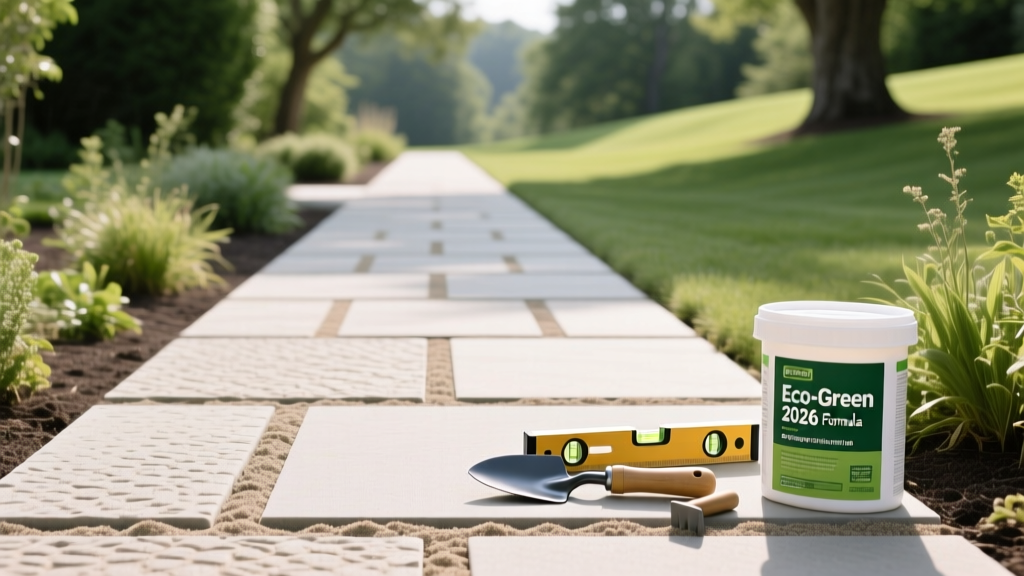
2026 Flagstone Walkway Installation & Fertilizer Schedules
Lisa ThompsonPublished
When designing a premium outdoor living space in 2026, the synergy between hardscapes and softscapes is more critical than ever. A beautifully installed flagstone walkway with polymeric sand joints can elevate your curb appeal instantly. However, as lawn care and landscaping professionals know, the longevity of that hardscape is deeply tied to the turf management practices surrounding it. Specifically, your fertilizer types and application schedules can either protect your investment or lead to severe staining, efflorescence, and joint degradation.
This comprehensive guide covers the exact steps for flagstone walkway installation with polymeric sand joints, viewed through the essential lens of lawn nutrition. We will explore how to adapt your 2026 fertilizer schedule to ensure your turf thrives without compromising the structural integrity or aesthetic beauty of your natural stone pathways.
Step-by-Step Flagstone Walkway Installation with Polymeric Sand
Before we can discuss turf nutrition, we must establish a proper hardscape foundation. Natural flagstone is irregular, heavy, and requires a flexible yet stable base to prevent shifting, which can crack polymeric sand joints.
Base Preparation and Stone Layout
Begin by excavating the walkway path to a depth of 6 to 8 inches, depending on your local frost line and soil drainage capacity. Lay down a high-quality geotextile fabric to prevent weed growth and soil migration. Next, add a 4-inch layer of crushed angular gravel (such as 3/4-inch crushed stone) and compact it thoroughly using a mechanical plate compactor. This base is crucial for drainage.
Once the base is level and sloped slightly (about 1/8 inch per foot) for water runoff, add a 1-inch layer of coarse bedding sand. Do not use fine masonry sand, as it retains too much moisture. Begin laying your flagstone pieces, leaving consistent joints of about 1/2 inch to 1 inch between each stone. Use a rubber mallet to seat the stones firmly into the bedding sand, ensuring no stones wobble.
Sweeping and Activating Polymeric Sand
In 2026, advanced polymeric sand formulations offer superior flexibility and weed resistance compared to older versions. Ensure the flagstone surface is completely dry and free of dust. Pour the polymeric sand over the joints and use a stiff push broom to sweep it deeply into the crevices. Compact the stones again with a plate compactor fitted with a protective urethane pad to vibrate the sand down to the base of the joints.
After topping off the joints and sweeping away all excess surface sand (crucial to prevent hazing), lightly mist the walkway with a fine spray nozzle. The water activates the polymers, binding the sand together. Allow the walkway to cure for at least 24 to 48 hours without any foot traffic or heavy moisture exposure.
The Fertilizer Perspective: Risks to Flagstone and Polymeric Sand
Why must a hardscaping project consider fertilizer schedules? Natural flagstone is highly porous. When lawn fertilizers are applied to adjacent turf, granules often bounce onto the stone, and nutrient-laden runoff washes into the polymeric sand joints.
Iron Staining and Efflorescence
Many traditional lawn fertilizers contain iron (ferrous sulfate) to promote deep greening and combat moss. When iron-based fertilizers land on wet flagstone or wash into the joints, they oxidize and leave permanent rust stains that are nearly impossible to remove without harsh acids that destroy the polymeric sand binder. Furthermore, high-nitrogen synthetic fertilizers contain soluble salts. As these salts accumulate in the stone pores and sand joints, they cause efflorescence—a white, crusty residue that weakens the polymeric bond and accelerates joint erosion.
Chemical Degradation of Sand Binders
According to landscaping industry standards, the chemical composition of synthetic quick-release fertilizers can alter the pH balance of the moisture trapped in hardscape joints. Over time, this acidic or highly alkaline runoff breaks down the polymers, leading to washouts and weed infiltration. To prevent this, aligning your fertilizer type with your hardscape layout is mandatory.
Best Fertilizer Types for Lawns Bordering Flagstone
To maintain a lush lawn while protecting your newly installed flagstone walkway, you must select the right nutrients. The University of Minnesota Extension recommends slow-release, environmentally conscious fertilizers that minimize runoff and salt accumulation, which perfectly aligns with hardscape preservation.
- Organic Slow-Release Granular: Products derived from feather meal, bone meal, or composted manure (like Espoma or Milorganite) are ideal. They release nutrients gradually, drastically reducing the salt concentration in runoff and minimizing the risk of efflorescence on your flagstone.
- Iron-Free Synthetic Blends: If you prefer synthetic fertilizers for rapid spring green-up, strictly choose iron-free formulations. Look for N-P-K ratios that rely on coated urea or methylene urea for slow nitrogen release without the rust-staining risks of ferrous sulfate.
- Liquid Bio-Stimulants: Liquid humic and fulvic acid treatments applied via hose-end sprayers allow for precise application. Because you can control the spray pattern, you can easily avoid overspray onto the polymeric sand joints while improving soil health and root depth.
The 2026 Fertilizer Schedule Around Hardscape Installation
Timing is everything. Applying the wrong fertilizer at the wrong time can ruin a fresh polymeric sand installation before it fully cures.
Pre-Installation Phase (Early Spring)
If you are planning a flagstone installation in late spring, apply your primary spring fertilizer early. Use a granular, iron-free organic blend. Water it in thoroughly and allow at least two weeks for the granules to dissolve and integrate into the soil before heavy excavation and hardscape construction begin. This prevents raw fertilizer granules from being buried under your new walkway base, where they could later leach up and cause efflorescence.
The Curing Window (Post-Installation)
Once the flagstone and polymeric sand are laid, enforce a strict 30-day moratorium on granular fertilizer applications within 3 feet of the walkway. Polymeric sand requires time to fully cure and harden. During this window, any fertilizer runoff or accidental granule spillage can interfere with the polymer activation process. If the adjacent turf needs nutrition during this month, use a gentle liquid kelp or bio-stimulant spray, carefully avoiding the hardscape.
Long-Term Seasonal Schedule
For the remainder of 2026 and beyond, adopt a 'stone-safe' seasonal schedule:
- Late Spring: Apply slow-release organic granular fertilizer. Sweep the walkway immediately after application to remove any stray granules before watering.
- Mid-Summer: Avoid heavy nitrogen applications, which require massive amounts of irrigation. Excessive watering increases runoff into the polymeric joints. Rely on liquid humic acids to help the grass retain moisture without flooding the hardscape.
- Early Fall: This is the most critical feeding time for cool-season grasses. Use a high-quality, iron-free winterizer. The cooler temperatures and reduced evaporation mean less salt residue is left behind on the flagstone surface.
Comparison Chart: Fertilizer Types and Hardscape Safety
| Fertilizer Type | Hardscape Risk Level | Primary Threat to Flagstone & Sand | Recommended Usage Near Walkways |
|---|---|---|---|
| Organic Slow-Release | Low | Minimal; slight organic staining if left wet | Highly Recommended |
| Iron-Enriched Synthetic | Severe | Permanent rust stains, polymer degradation | Avoid completely near stone |
| Quick-Release Nitrogen | Moderate to High | Salt efflorescence, joint washout | Use sparingly, water deeply |
| Liquid Bio-Stimulants | Very Low | Overspray residue (easily washed off) | Excellent for precision feeding |
Application Best Practices and Cleanup
Even with the safest fertilizer types, physical application techniques matter. The Environmental Protection Agency (EPA) heavily emphasizes reducing nutrient runoff to protect local watersheds, a practice that simultaneously protects your hardscape joints from chemical erosion.
Always use a rotary spreader equipped with a deflector shield. When edging the flagstone walkway, engage the shield to bounce granules back into the turf rather than onto the stone. If granules do land on the walkway, do not use a leaf blower to clear them, as this can blow them directly into the freshly cured polymeric sand joints. Instead, use a stiff bristle broom to sweep them back onto the lawn before turning on your irrigation system.
Furthermore, ensure your irrigation system is calibrated correctly. Sprinkler heads that blast directly against the flagstone walkway will constantly wash soil, fertilizer salts, and organic debris into the polymeric joints. Adjust your spray patterns to provide a gentle overlap onto the stone, ensuring the turf gets watered without acting like a pressure washer on your hardscape edges.
Conclusion
Installing a flagstone walkway with polymeric sand joints is a significant investment in your property's aesthetic and functional value. By viewing this hardscape project through the lens of a comprehensive fertilizer schedule, you ensure that your lawn receives the nutrition it needs without sacrificing the integrity of your stone and sand joints. In 2026, the most successful landscapes are those where hardscaping and turf management are not treated as separate entities, but as a unified, mutually supportive ecosystem. Choose your fertilizers wisely, respect the curing windows, and your flagstone walkway will remain pristine for decades to come.

