
Landscaping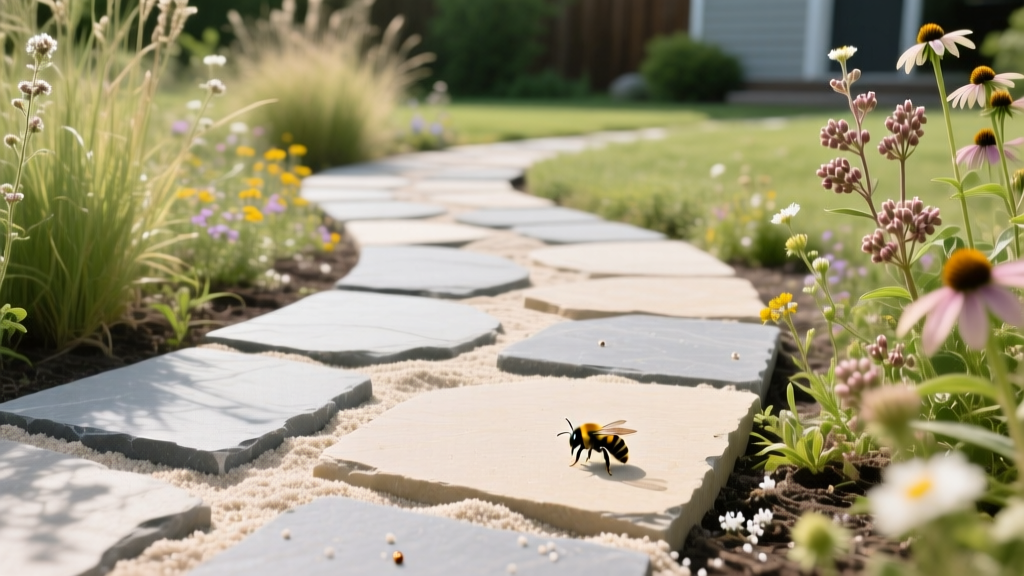
Eco-Friendly Flagstone Walkways: Polymeric Sand & Pollinators 2026
Mike RodriguezPublished
The Intersection of Hardscaping and Pollinator Health
As we move through the 2026 landscaping season, homeowners and designers are increasingly recognizing that outdoor spaces must serve both human aesthetics and ecological function. Flagstone walkways remain a premier choice for garden paths, offering a natural, timeless look that integrates beautifully with lush garden beds. However, traditional hardscaping methods often inadvertently destroy crucial micro-habitats. When we seal every crevice and joint with impermeable materials, we eliminate the nesting grounds for vital native insects.
According to Penn State Extension, approximately 70 percent of native bee species are ground-nesting. These solitary insects, including mining bees and sweat bees, require access to undisturbed, well-draining soil to excavate their nests and rear their young. A completely sealed walkway acts as a sterile barrier, fragmenting the landscape and reducing the carrying capacity of your garden for these essential pollinators. The challenge for modern landscapers is finding a balance: how do we install durable, weed-free flagstone walkways while maintaining ecological permeability?
The Polymeric Sand Dilemma: Sealing vs. Nesting
Polymeric sand has been the industry standard for joint stabilization for years. Composed of fine silica sand mixed with water-activated polymers, it hardens into a flexible, solid mass that resists erosion, deters weed growth, and prevents ants from excavating the joints. In 2026, newer eco-bind formulas have improved permeability, allowing water to drain through the joints rather than pooling on the surface.
However, the very strength of polymeric sand is its ecological weakness. By binding the sand particles into a solid matrix, you completely eliminate the loose, sandy soil texture that ground-nesting bees require. If you use polymeric sand in every joint of your flagstone walkway, you are effectively paving over potential pollinator real estate. The solution is not to abandon polymeric sand entirely, but to adopt a strategic, zoned approach to your walkway installation.
Zoning Your Walkway Joints for Pollinators
The hybrid zoning strategy involves categorizing your walkway joints based on foot traffic and structural necessity. By reserving polymeric sand for high-stress areas and leaving other zones open, you create a functional pathway that also serves as a pollinator corridor.
| Walkway Zone | Joint Material | Pollinator Benefit | Maintenance Level |
|---|---|---|---|
| High-Traffic Center | Permeable Polymeric Sand | Prevents erosion, ensures safe, level footing for humans | Low |
| Perimeter Edges | Open Soil / Creeping Plants | Provides nectar sources, ground cover, and soft edges | Medium |
| Secluded Corners | Bare, Undisturbed Sandy Soil | Crucial nesting sites for solitary mining bees | Low |
By implementing this zoning strategy, you satisfy the structural demands of a high-quality hardscape while aligning with the Xerces Society guidelines for pollinator-friendly landscaping, which emphasize leaving patches of bare, undisturbed ground for native bee nesting.
Step-by-Step Installation Guide (2026 Best Practices)
Installing a flagstone walkway with a hybrid joint system requires careful planning and execution. Follow these steps to ensure longevity and ecological harmony.
Step 1: Excavation and Base Preparation
Excavate the path to a depth of 6 to 8 inches. For a pollinator-friendly base, avoid using a solid concrete slab or excessive landscape fabric, which blocks water infiltration and soil-dwelling organisms. Instead, use an open-graded aggregate base. Lay down 4 to 6 inches of crushed angular gravel (such as 3/4-inch crushed stone) and compact it thoroughly. This base provides excellent drainage, keeping the soil beneath healthy and preventing frost heave in colder climates.
Step 2: The Bedding Layer
Add a 1-to-2-inch layer of coarse, sharp concrete sand over the compacted gravel. Do not use fine masonry sand, as it can wash away and clog the drainage below. Screed the sand level. This bedding layer allows you to tap the flagstones into place, ensuring a level surface while maintaining the permeability of the entire system.
Step 3: Flagstone Placement and Spacing
Place your flagstones, leaving deliberate gaps between them. For high-traffic zones where you will use polymeric sand, keep the joints tight—about 1/2 inch to 1 inch wide. For the perimeter and secluded zones intended for plants or bare soil, space the stones 2 to 4 inches apart. This wider spacing gives creeping plants room to establish their root systems and provides ample surface area for bees to access the soil.
Step 4: Applying Polymeric Sand (High-Traffic Zones Only)
Sweep your chosen eco-friendly polymeric sand into the designated high-traffic joints. Use a push broom to drive the sand deep into the gaps, then use a plate compactor with a protective pad to vibrate the sand down to the base. Top off the joints until the sand is about 1/8 inch below the stone surface. Mist the area with a fine spray of water to activate the polymers. Be careful not to overwater, which can wash the polymers to the surface and create a hazy film.
Step 5: Filling the Pollinator Zones
For the open perimeter joints, fill the gaps with a mixture of topsoil and coarse sand. This specific soil blend mimics the well-draining sandy loam that ground-nesting bees prefer for excavating their tunnels. Leave a few secluded corners completely filled with just the sandy soil mixture, undisturbed and unmulched, to serve as dedicated nesting habitats.
Selecting Pollinator-Friendly Creeping Plants
The open perimeter joints are perfect locations for low-growing, drought-tolerant creeping plants that can withstand occasional foot traffic while providing nectar and pollen. In 2026, landscape designers are favoring the following species for walkway integration:
- Creeping Thyme (Thymus serpyllum): A resilient, aromatic ground cover that produces tiny purple or pink flowers in early summer, heavily favored by honeybees and native sweat bees.
- Mazus (Mazus reptans): An excellent choice for shadier walkway edges, forming a dense mat of green with delicate snapdragon-like flowers.
- Creeping Jenny (Lysimachia nummularia): Best for moist, partially shaded areas, offering bright golden foliage and small yellow flowers.
- Irish Moss (Sagina subulata): Not a true moss, but a flowering perennial that forms a lush, soft green carpet, producing tiny white blooms that attract small native pollinators.
When planting, gently tuck the root balls into the prepared soil joints and water them deeply to encourage roots to knit into the base layer below.
Avoiding Toxic Sealers and Chemicals
The final step in many hardscaping projects is applying a stone sealer to enhance the color of the flagstone and protect it from staining. However, many conventional sealers contain high levels of volatile organic compounds (VOCs) and chemical solvents that can leach into the surrounding soil, harming both plant roots and ground-nesting insects. Furthermore, some weed-prevention products sprayed on walkway edges contain broad-spectrum herbicides that devastate local pollinator populations.
To maintain a truly pollinator-friendly garden, avoid solvent-based acrylic sealers. If you feel a sealer is absolutely necessary to protect your investment, opt for water-based, non-toxic, penetrating sealers that do not leave a surface film. Always read the Safety Data Sheet (SDS) to ensure the product is safe for use around wildlife once cured. For weed control in the open joints, rely on manual extraction or targeted applications of organic horticultural vinegar, taking care not to spray the creeping pollinator plants or the bare soil nesting zones.
Conclusion
Designing a landscape in 2026 requires a holistic mindset. By rethinking how we approach flagstone walkway installation and polymeric sand joints, we can create stunning, durable outdoor living spaces that do not come at the expense of local ecosystems. The hybrid zoning method—combining the structural integrity of polymeric sand in high-traffic areas with open, planted, and bare-soil joints in peripheral zones—offers the perfect compromise. As the Environmental Protection Agency continues to highlight the importance of protecting pollinator habitats in residential areas, your walkway can stand as a testament to sustainable, beautiful, and ecologically responsible landscaping.

