
Landscaping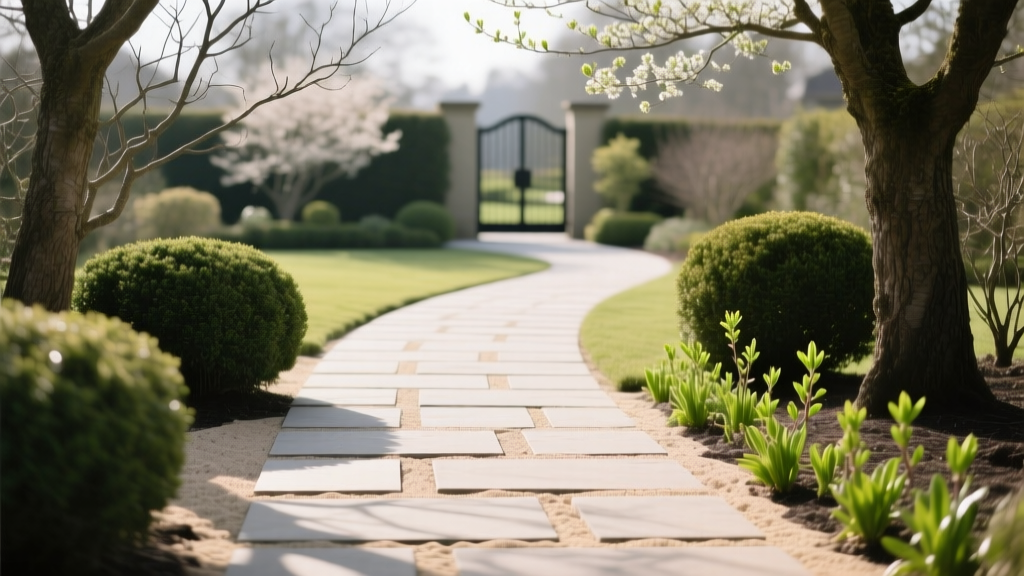
2026 Flagstone Walkways: Polymeric Sand & Pruning Timing
Mike RodriguezPublished
The Intersection of Hardscaping and Horticulture in 2026
When designing a luxury outdoor space in 2026, homeowners and landscape architects increasingly recognize that hardscaping and softscaping cannot be treated as isolated phases. Installing a natural flagstone walkway with polymeric sand joints is a premier hardscaping project that demands precise meteorological conditions for the sand to cure. Simultaneously, the adjacent garden beds require strict adherence to seasonal pruning methods and timing to ensure plant health. If heavy machinery, base compaction, or sand activation occurs at the wrong time of year, you risk damaging the root zones of freshly pruned specimens or washing out uncured polymers. This comprehensive guide explores how to synchronize your flagstone installation with your annual pruning calendar.
Understanding Polymeric Sand Curing Requirements
Polymeric sand is a mixture of fine sand and binding polymers that hardens when activated with water, locking flagstone joints in place while deterring weeds and insects. As of 2026, advanced formulations like Techniseal Next Gen and Alliance Gator Maxx offer superior flexibility and washout resistance. However, according to Techniseal polymeric sand guidelines, these materials require a strict curing window: temperatures must remain consistently above 32°F (ideally between 50°F and 75°F), and the joints must remain completely dry for 24 to 48 hours after water activation. This meteorological dependency is the primary driver for scheduling your installation, which must then be woven around your horticultural pruning schedule.
Before the sand is even introduced to the joints, the flagstone must be completely dry and free of debris. In 2026, landscape professionals frequently use specialized outdoor vacuums and compressed air systems to ensure the joints are cleared to a depth of at least one inch. This depth is crucial for the mechanical interlock of the sand. If you are coordinating this with early spring sanitation pruning, ensure that no wood chips or shredded bark mulch from the pruning process blow onto the walkway surface, as organic contamination will severely weaken the polymer bond.
Coordinating Installation with Seasonal Pruning Methods
To achieve a harmonious landscape, your hardscaping timeline must respect the biological rhythms of your plants. Pruning methods dictate when a plant is most vulnerable, and installing a flagstone walkway involves soil compaction, excavation, and heavy foot traffic that can stress a recovering shrub or tree.
Late Winter: Dormant Pruning and Base Preparation
Late winter is the ideal time for dormant pruning, a method used to establish structural integrity in deciduous trees and shrubs before spring growth begins. According to the Arbor Day Foundation's pruning guidelines, pruning during dormancy minimizes sap loss and disease transmission. From a hardscaping perspective, this is also the optimal time to excavate the walkway path and lay the compacted gravel base. Because the surrounding plants are dormant and lack foliage, you have better spatial awareness and physical access to the garden bed edges. You can install the limestone screening or sand bedding layer without tearing through delicate spring leaves. However, avoid activating the polymeric sand during this phase, as freezing nighttime temperatures will prevent the polymers from cross-linking properly.
Mid-to-Late Spring: Post-Bloom Pruning and Sand Activation
Once the threat of frost has passed and daytime temperatures stabilize above 50°F, the hardscaping focus shifts to laying the flagstone and activating the polymeric sand. This phase must be carefully coordinated with post-bloom pruning. Shrubs that flower in early spring, such as azaleas, rhododendrons, and forsythia, should be pruned immediately after their blooms fade. By scheduling your flagstone joint-sweeping and water-activation immediately following this post-bloom pruning, you capitalize on the optimal spring weather for polymer curing. Ensure that the pruning debris is fully cleared from the walkway surface before sweeping in the sand; organic matter trapped in the joints will degrade the polymer bond and encourage mold growth.
Late Summer: Renewal Pruning and Joint Inspection
Summer pruning methods focus on renewal—thinning out dense canopies to improve airflow and removing water sprouts. This is generally a lighter pruning phase. By late summer, your polymeric sand joints should be fully cured and hardened. This is the time to inspect the walkway for any micro-cracks or washouts caused by early summer thunderstorms. If minor joint repairs are needed, late summer provides the hot, dry conditions necessary for rapid curing of touch-up sand applications.
Seasonal Timing Matrix: Pruning and Hardscaping
Use the following table to synchronize your 2026 landscaping calendar. This matrix ensures that your pruning methods align perfectly with the physical and chemical requirements of flagstone and polymeric sand installation.
| Season | Pruning Method & Focus | Flagstone Hardscape Task | Polymeric Sand Status |
|---|---|---|---|
| Late Winter | Dormant structural pruning of deciduous trees and shrubs. | Excavation, geotextile laying, and gravel base compaction. | Stored in climate-controlled area; do not install. |
| Early Spring | Sanitation pruning; removing winter-damaged branches. | Laying flagstone on bedding layer; dry-sweeping sand into joints. | Swept into joints but NOT activated with water yet. |
| Mid-to-Late Spring | Post-bloom pruning of spring-flowering shrubs. | Final leveling; protecting adjacent beds from runoff. | Water activation; 48-hour curing window (temps > 50°F). |
| Summer | Renewal thinning for airflow; deadheading perennials. | Inspecting joints; minor touch-ups if washout occurred. | Fully cured; touch-ups require 24 hours of dry weather. |
| Autumn | Minimal pruning; avoiding stimulation of new growth before frost. | Applying penetrating sealers to flagstone (optional). | Dormant; avoid new sand applications due to rain/frost risk. |
Protecting Pruned Shrubs During Flagstone Installation
When you execute severe pruning methods, such as rejuvenation pruning on overgrown lilacs or viburnums, the plant redirects massive amounts of energy to its root system to push out new basal shoots. During this vulnerable recovery period, the soil over the plant's drip line must remain uncompacted. Installing a flagstone walkway requires a heavily compacted base to prevent settling. If your walkway borders a garden bed containing freshly pruned specimens, you must use a rigid root-zone barrier or limit mechanical compaction within the critical root zone. Hand-tamp the base materials near the bed edges to preserve soil porosity, ensuring the recovering roots receive adequate oxygen and water.
Furthermore, when activating the polymeric sand with a gentle mist of water, be hyper-aware of runoff. Polymeric sand contains fine particulates and chemical binders that can alter the soil pH or clog the soil pores in adjacent garden beds if excessive water washes the sand out of the joints before it sets. Always mist the joints at a low angle and use a leaf blower to clear any residual sand dust from the foliage of nearby pruned shrubs before it can mix with dew and harden into a concrete-like film on the leaves.
Another critical factor is maintaining the proper soil grade. When excavating for the flagstone base, it is common to accidentally pile soil against the trunk flare of adjacent trees. If you have recently performed root-collar excavation or structural pruning on a tree, burying the trunk flare under hardscaping sub-base will lead to girdling roots and eventual decline. Always install a physical edge restraint between the flagstone walkway and the garden bed to contain the base materials and polymeric sand, ensuring the grade remains stable and the health of your pruned specimens is uncompromised.
2026 Product Recommendations for Polymeric Sand
The hardscaping industry has seen significant advancements in polymer chemistry by 2026. When selecting a jointing compound for natural flagstone, which often features irregular, wider joints compared to manufactured pavers, you need a product specifically engineered for broad crevices.
- Alliance Gator Maxx G2: Excellent for joints up to 4 inches wide. Its advanced resin formula allows for better drainage, reducing the hydrostatic pressure that can cause frost heave in colder climates.
- Techniseal Next Gen Polymeric Sand: Known for its rapid-setting properties, this sand is ideal for regions with unpredictable spring weather, as it requires a shorter dry window to achieve initial cure.
- Surebond SB-1300: A premium option for high-traffic walkways, offering exceptional flexibility to accommodate the natural expansion and contraction of flagstone during seasonal temperature shifts.
Conclusion
A successful landscape design in 2026 relies on the seamless integration of horticulture and hardscaping. By aligning your flagstone walkway installation and polymeric sand activation with the biological timing of your seasonal pruning methods, you protect your plant investment while ensuring a durable, weed-free stone path. Respect the curing requirements of modern polymers, protect the root zones of freshly pruned shrubs, and utilize the seasonal matrix above to achieve a flawless outdoor living space that thrives for decades.

