Pest Control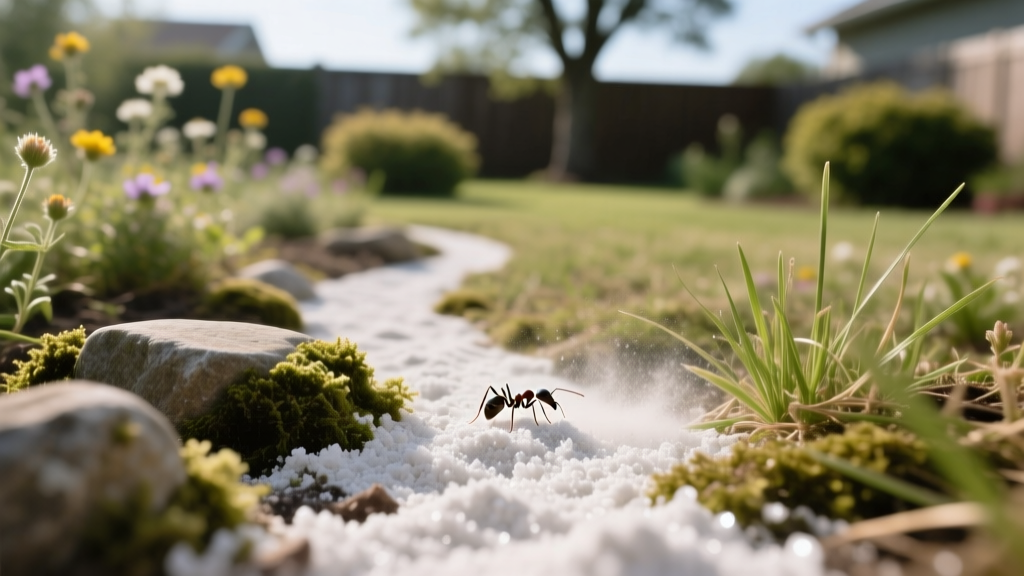
Food-Grade Diatomaceous Earth for Ant Trails: 2026
The 2026 Standard for Wildlife-Safe Ant Control
As homeowners and land stewards embrace integrated pest management (IPM) in 2026, the focus has shifted heavily toward protecting local ecosystems while managing nuisance pests. Ant trails invading your patio, garden beds, or outdoor living spaces are a common frustration. However, reaching for broad-spectrum chemical sprays can devastate local wildlife, poison foraging birds, and harm your pets. This is where food-grade diatomaceous earth (DE) emerges as the ultimate solution for targeting ant trails without compromising the safety of your yard's animal inhabitants.
In this comprehensive guide, we will explore how to effectively apply food-grade diatomaceous earth to ant trails from a wildlife and yard animal management perspective. We will cover the science behind DE, application techniques that maximize lethality to ants while minimizing exposure to non-target species, and how to maintain your barrier throughout the 2026 growing season.
What is Food-Grade Diatomaceous Earth?
Diatomaceous earth is a naturally occurring, soft, siliceous sedimentary rock formed from the fossilized remains of diatoms, a type of hard-shelled microalgae. When crushed into a fine powder, it feels like talcum powder to human hands. However, on a microscopic level, food-grade DE consists of sharp, jagged silica edges.
When ants walk across a properly applied layer of DE, these microscopic edges lacerate the waxy outer layer of their exoskeletons. This causes the insects to rapidly lose moisture and die from desiccation (dehydration) within 24 to 48 hours. Because DE works via a physical mechanism rather than a chemical one, ants cannot develop genetic resistance to it—a massive advantage in 2026 as chemical-resistant ant strains continue to spread.
It is absolutely critical to distinguish between food-grade DE and filter-grade (pool-grade) DE. Filter-grade DE is heat-treated (calcined), which significantly increases its crystalline silica content, making it highly toxic to the respiratory systems of mammals and birds. Food-grade DE, on the other hand, contains less than 1% crystalline silica and is recognized as safe by the EPA and FDA for use around animals and in food storage areas.
The Wildlife and Yard Animal Safety Factor
From a wildlife management perspective, the primary danger of traditional ant control methods lies in secondary poisoning. When you use toxic chemical baits or sprays, foraging birds, lizards, and beneficial amphibians may consume the poisoned ants or drink from contaminated puddles. According to the National Pesticide Information Center (NPIC), diatomaceous earth is practically non-toxic to mammals and birds when ingested, making it an ideal choice for yards frequented by pets and local wildlife.
Protecting Pollinators and Beneficial Insects
While DE is safe for vertebrates, it is a broad-spectrum physical insecticide. It will harm beneficial insects like bees, ladybugs, and ground-dwelling spiders if they come into direct contact with it. To protect your yard's ecological balance:
- Avoid Blooms: Never apply DE directly to flowers or blooming weeds where pollinators forage.
- Targeted Application: Apply DE strictly to the ant trails, cracks in pavement, and the immediate perimeter of the ant mound, rather than broadcasting it across the lawn.
- Timing is Everything: Apply DE in the late evening or at dusk when bees and butterflies have returned to their hives and roosts, and ants are actively foraging.
Step-by-Step Application for Ant Trails
Applying DE incorrectly is the number one reason homeowners report failure. Ants are highly intelligent and will simply walk around a thick pile of white powder. The goal is to create a microscopically thin, barely visible barrier that the ants will unknowingly traverse.
Step 1: Locate and Prepare the Trail
Identify the main foraging trails. Sweep away large debris, leaves, and standing water. DE must be applied to a completely dry surface to adhere properly and maintain its desiccating properties.
Step 2: Choose the Right Application Tool
Do not throw DE by hand. In 2026, the most effective tools for yard-scale application include:
- Bulb Dusters (e.g., Harris Red Bellow Hand Duster): Perfect for puffing a fine, even cloud of DE into cracks, crevices, and along baseboards.
- Powder Dusters with Extension Wands: Ideal for reaching under decks and shrubs where wildlife might nest, allowing you to apply the powder without disturbing the habitat.
- Shaker Bottles: Useful for wide, flat ant trails on concrete patios.
Step 3: The 'Barely Visible' Technique
Squeeze the duster gently to release a fine mist of DE over the ant trail. You should be able to see the pavement or soil through the dusting. If you leave a thick, white pile, the ants will detect it as an obstacle and route their trail around it. A thin layer ensures the ants walk through it, picking up the lethal silica particles on their legs and abdomens.
Step 4: Treat the Perimeter and Mound
Follow the trail back to the nest. Create a continuous, thin ring of DE around the entrance of the ant mound. As worker ants exit and enter the colony, they will carry the DE particles deep into the nest, eventually reaching and desiccating the queen.
Comparison: DE vs. Chemical Ant Control Methods
Understanding how food-grade DE stacks up against other common 2026 ant control methods is vital for making an informed, eco-conscious decision for your yard.
| Feature | Food-Grade Diatomaceous Earth | Borax-Based Liquid Baits | Bifenthrin/Pyrethroid Sprays |
|---|---|---|---|
| Wildlife & Pet Safety | High (Non-toxic if ingested) | Moderate (Toxic if large amounts ingested) | Low (Highly toxic to fish, birds, and cats) |
| Speed of Kill | 24 - 48 Hours (Desiccation) | 24 - 72 Hours (Stomach poison) | Immediate (Neurotoxin) |
| Colony Elimination | High (Carried back to nest) | High (Shared via trophallaxis) | Low (Only kills foragers on contact) |
| Environmental Impact | Low (Naturally occurring silica) | Moderate (Boron accumulation in soil) | High (Runoff harms aquatic ecosystems) |
| Average 2026 Cost | $15 - $25 (4lb bag) | $10 - $18 (Multi-pack stations) | $20 - $40 (Concentrate) |
As highlighted by the University of California Agriculture and Natural Resources (UC ANR) IPM guidelines, managing ants requires a combination of exclusion, sanitation, and targeted treatments. DE serves as an excellent physical barrier component within a broader IPM strategy, especially when chemical runoff is a concern for local watersheds.
Maintenance: Dealing with Rain and Irrigation
The single greatest limitation of diatomaceous earth is its vulnerability to moisture. DE relies on its dry, abrasive, and highly absorbent properties to desiccate insects. Once it becomes wet from rain, heavy morning dew, or lawn irrigation, the particles clump together and lose their efficacy.
Reapplication Strategies
To maintain an effective ant barrier throughout the 2026 season:
- Monitor the Weather: Check your local forecast and avoid applying DE if rain is expected within 12 hours.
- Adjust Irrigation: If you have an automated sprinkler system, adjust the heads to avoid spraying hardscapes, patios, and garden borders where you have applied DE.
- Post-Rain Protocol: Once the treated surfaces have dried completely after a rainstorm, sweep away the clumped, ineffective DE and apply a fresh, thin layer.
- Use Covered Areas: For long-term prevention, apply DE under covered areas like porches, deck overhangs, and inside crawl spaces where moisture cannot reach it. In these dry environments, DE remains effective indefinitely.
Best Practices for Yard Animal Management
When managing a property that hosts dogs, cats, chickens, or wild visitors like rabbits and deer, dust inhalation is the only minor risk associated with food-grade DE. While it is non-toxic, inhaling any fine particulate matter can cause temporary respiratory irritation.
Pro-Tip for Pet Owners: Apply your DE barriers during the early morning or late evening when your pets are indoors. Allow the dust to settle completely (usually about 15 to 30 minutes) before letting your dogs or cats back into the yard. Once the powder has settled into the cracks of the pavement or the thatch of the lawn, it poses virtually zero inhalation risk to your animals while remaining a deadly gauntlet for foraging ants.
Conclusion
Managing ant trails in 2026 no longer requires sacrificing the health of your local ecosystem or the safety of your beloved pets. Food-grade diatomaceous earth offers a highly effective, naturally occurring, and physically acting solution that aligns perfectly with modern wildlife and yard animal management principles. By understanding the microscopic mechanics of DE, applying it with precision using the 'barely visible' technique, and maintaining your barriers after rain events, you can reclaim your outdoor spaces from ant invasions. Embrace the power of fossilized algae, and maintain a thriving, balanced, and pest-managed yard all year long.