Gardening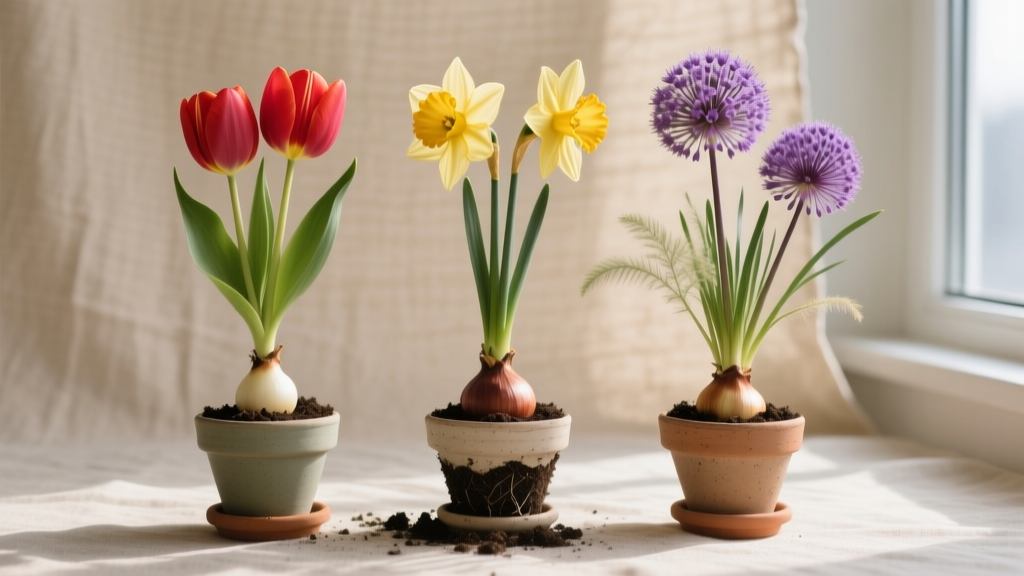
Edible Landscaping 2026: Tulip, Daffodil & Allium Depth Guide
David ParkPublished
The 2026 Foodscaping Revolution: Integrating Spring Bulbs
As edible landscaping and foodscaping continue to dominate garden design trends in 2026, the rigid lines between the ornamental border and the vegetable patch have completely dissolved. Modern homesteaders and urban gardeners are no longer content with hiding their food crops in the backyard; instead, they are weaving culinary plants, medicinal herbs, and ornamental blooms into cohesive, front-yard permaculture guilds. Spring-flowering bulbs play a pivotal role in this ecosystem. They are the first to break the soil surface, providing crucial early-season nectar for native pollinators while the rest of the edible garden is still waking up from winter dormancy.
However, integrating bulbs into an edible landscape requires a nuanced understanding of plant toxicity, culinary utility, and precise planting depths. When you are interplanting ornamentals alongside root crops, leafy greens, and culinary herbs, you must know exactly what is safe to eat, what is toxic, and how to plant them so they do not compete with your food crops. This comprehensive 2026 guide breaks down the planting depths, culinary profiles, and foodscaping functions of three popular spring bulbs: Tulips, Daffodils, and Alliums.
The Edibility Spectrum: Beauty, Bounty, and Toxicity
Before digging a single hole, a foodscaper must understand the biological and culinary profile of the bulbs they are introducing to the edible landscape. Not all bulbs are created equal, and mixing toxic ornamentals with edible root crops can lead to disastrous accidental harvests.
- Alliums (Ornamental Onions & Chives): The undisputed champions of the edible landscape. Almost all alliums possess some level of edibility, and their strong sulfur compounds act as natural pest deterrents, masking the scent of vulnerable crops like brassicas from foraging insects.
- Tulips (Tulipa): While the bulbs contain tulipalin A (which can cause contact dermatitis and is generally not consumed), the petals of organically grown tulips are entirely edible. They offer a sweet, pea-like crunch and are highly prized in 2026 culinary circles for spring salads, candied garnishes, and savory wraps.
- Daffodils (Narcissus): HIGHLY TOXIC. Daffodils contain lycorine, a poisonous alkaloid that causes severe gastrointestinal and neurological distress if ingested. They must never be planted in a way that their bulbs could be mistaken for onions or garlic during harvest.
CRITICAL FOODSCAPING WARNING: According to the ASPCA Animal Poison Control, Narcissus species are highly toxic to humans, dogs, and cats. In an edible landscape, daffodils must be clearly marked and restricted to perimeter borders where they cannot be accidentally pulled up alongside edible root crops like parsnips or garlic.
Tulip vs. Daffodil vs. Allium: Planting Depth & Spacing Guide
Proper planting depth is essential for bulb longevity, bloom stability, and preventing rot in heavily composted edible beds. The general rule of thumb is to plant a bulb at a depth equal to three times its vertical height, but specific foodscaping scenarios require precise adjustments.
| Bulb Variety | Edibility Profile | Planting Depth | Spacing | Foodscaping Function |
|---|---|---|---|---|
| Ornamental Allium | Leaves, flowers, and bulbs are edible (mild onion/garlic flavor). | 4 to 6 inches | 8 to 12 inches | Companion planting; pest deterrence; pollinator magnet. |
| Tulip (Species & Hybrid) | Petals are edible (sweet/crunchy). Bulbs are not recommended. | 6 to 8 inches | 4 to 6 inches | Edible floral garnishes; early spring color in perennial food forests. |
| Daffodil (Narcissus) | HIGHLY TOXIC. Never consume any part of the plant. | 6 to 9 inches | 6 to 8 inches | Perimeter defense against voles, gophers, and deer. |
Alliums: The Foodscaper’s Best Friend
When designing an edible landscape in 2026, ornamental alliums (such as Allium giganteum or Allium aflatunense 'Purple Sensation') are invaluable. They bridge the gap between the vegetable garden and the ornamental border. Because they are closely related to culinary onions and garlic, they share the same pest-repelling properties. Planting alliums near your brassicas (cabbage, kale, broccoli) can help confuse the cabbage looper and other pests that rely on scent to find their host plants.
Planting Depth and Technique: As noted by the Royal Horticultural Society, alliums require excellent drainage to prevent basal rot. In a foodscaping bed that receives heavy compost and moisture for nearby vegetables, plant allium bulbs slightly shallower (about 4 inches deep) and mound the soil slightly to ensure water runs away from the bulb neck. Space them 8 to 12 inches apart to allow their massive, globe-like flower heads room to expand without shading out low-growing spring edibles like spinach or mache.
Tulips: Edible Petals and Border Accents
Tulips are often dismissed in traditional permaculture circles because they do not produce a caloric yield. However, the modern foodscaper views tulips as a source of high-value, edible floral garnishes. Species tulips, such as Tulipa clusiana (the Lady Tulip) or Tulipa tarda, are highly recommended for edible landscapes because they reliably perennialize, unlike many large hybrid Darwin tulips that degrade after a single season.
Planting Depth and Technique: According to research from the University of Minnesota Extension, tulips should be planted 6 to 8 inches deep. In an edible landscape, deeper planting (closer to 8 inches) is preferred. This not only protects the bulbs from foraging squirrels but also allows you to safely plant shallow-rooted, cool-season annual edibles—such as radishes, lettuce, or claytonia—directly above the dormant bulbs without risking damage to the bulb's root plate with your trowel.
Daffodils: Toxic but Tactical for Pest Control
Why include a toxic plant in an edible landscape? Because daffodils are a biological weapon against burrowing rodents. Voles, gophers, and moles routinely devastate edible root crops like carrots, potatoes, and sweet potatoes. Because daffodil bulbs contain lycorine, rodents instinctively avoid them. By planting a dense perimeter trench of daffodils around your raised vegetable beds or root crop guilds, you create an impenetrable, toxic barrier that protects your food supply without the use of chemical rodenticides.
Planting Depth and Technique: Plant daffodils 6 to 9 inches deep. When using them as a perimeter defense, plant them in a staggered, double-row zig-zag pattern about 6 inches apart. Crucial Foodscaping Tip: Always plant a distinct, non-edible marker plant (like a specific type of ornamental grass or a painted wooden stake) next to your daffodil clusters. When you are aggressively harvesting root vegetables in the fall, you must never mistake a dormant daffodil bulb for a stray onion or garlic clove.
Step-by-Step Soil Preparation for Bulb and Edible Integration
Integrating bulbs into active edible beds requires careful soil management. Vegetables generally require high nitrogen and consistent moisture, while bulbs prefer well-draining soil and can rot in overly wet, heavy compost. To balance these needs in 2026, follow this layered soil preparation method:
- The Base Layer (Drainage): Dig your trench to the required depth (e.g., 8 inches for tulips). At the bottom of the hole, add a 1-inch layer of coarse sand or fine biochar. This improves drainage and creates a micro-environment that prevents bulb rot.
- The Bulb Layer: Place your bulbs root-side down. Dust them with mycorrhizal fungi inoculant to encourage rapid root establishment and help them compete with nearby vegetable roots for nutrients.
- The Buffer Layer: Cover the bulbs with 2 inches of a lean, sandy loam mix. Avoid heavy, nitrogen-rich compost in this immediate layer, which can encourage fungal diseases on the bulb tunics.
- The Edible Top Layer: Fill the remaining top 3 to 4 inches of the bed with your rich, compost-heavy vegetable soil. This top layer is where you will sow your shallow-rooted spring edibles like arugula, radishes, and baby leafy greens.
Conclusion: A Holistic Approach to the 2026 Garden
Foodscaping is about maximizing the utility, beauty, and ecological function of every square inch of your garden. By understanding the distinct planting depths and culinary profiles of tulips, daffodils, and alliums, you can create a landscape that feeds your family, supports early-season pollinators, and naturally deters pests. Whether you are harvesting sweet tulip petals for a spring salad, snipping allium blossoms for a savory garnish, or relying on a toxic daffodil perimeter to protect your potato crop, these spring bulbs are indispensable tools in the modern edible landscape.
