
Landscaping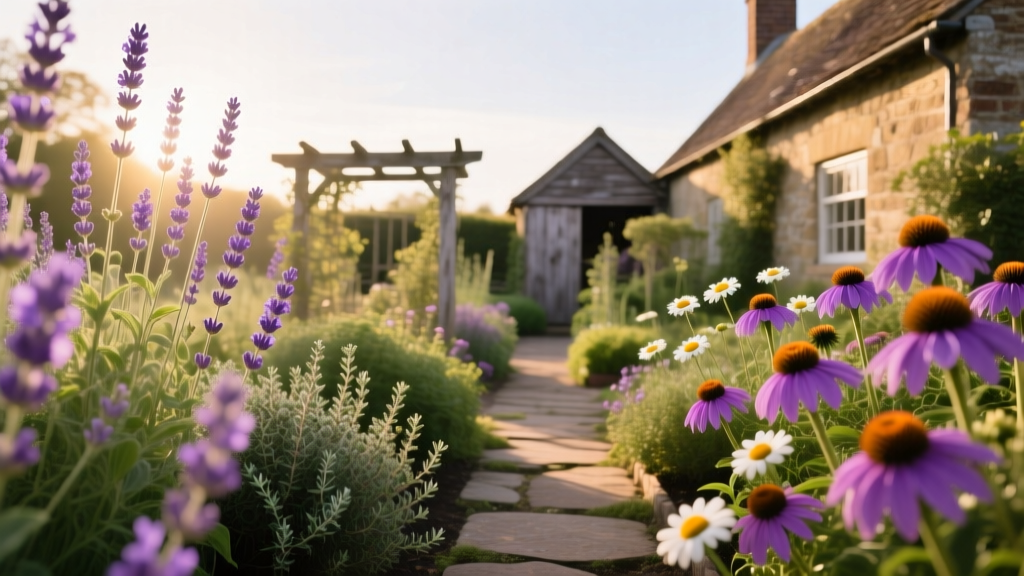
2026 Edible Cottage Garden: Lavender & Coneflower Foodscaping
Robert HayesPublished
The 2026 Foodscaping Movement: Reimagining the Cottage Garden
The traditional English cottage garden has always been a tapestry of color, texture, and romance, characterized by densely planted borders, climbing roses, and meandering pathways. However, as we move through 2026, the modern homeowner is demanding more from their outdoor spaces. The rise of hyper-local food production and sustainable landscaping has given birth to a brilliant hybrid: the edible cottage garden. By integrating foodscaping principles into classic ornamental designs, you can cultivate a yard that feeds the soul and the stomach. One of the most effective and visually stunning ways to achieve this is by anchoring your garden beds with lavender and coneflower borders, then weaving culinary and medicinal plants throughout the design.
Foodscaping is not about converting your pristine flower beds into sterile, row-crop vegetable patches. Instead, it is the art of seamlessly blending edible plants with ornamental favorites. In 2026, landscape designers are prioritizing drought-tolerant, pollinator-friendly perennials that offer dual purposes. Lavender and coneflowers serve as the perfect structural backbone for this approach, providing year-round visual interest, supporting vital insect populations, and offering surprising culinary and medicinal benefits of their own.
Building the Backbone: Lavender and Coneflower Borders
To achieve the quintessential cottage look while maximizing your edible yield, you must start with a strong perimeter. Borders define the space, guide the eye, and create microclimates for more delicate edible companions. In 2026, the focus is on resilient cultivars that can withstand fluctuating spring temperatures and late-summer heat domes.
Culinary Lavender (Lavandula angustifolia)
Lavender is the undisputed queen of the cottage garden border. Its silvery foliage and fragrant purple spikes provide a soothing contrast to the vibrant greens and pinks of a foodscaped bed. Beyond its ornamental value, English lavender is a powerhouse culinary herb. Varieties like 'Munstead' and 'Hidcote' are prized for their low camphor content and high essential oil concentration, making them ideal for baking, syrups, and herbal teas. According to the Royal Horticultural Society, Lavandula angustifolia thrives in well-drained, slightly alkaline soil and requires full sun to produce the potent oils necessary for culinary use. When designing your border, space lavender plants 18 to 24 inches apart to ensure adequate airflow, which prevents fungal diseases and promotes robust blooming.
Medicinal and Edible Coneflowers (Echinacea purpurea)
Complementing the cool tones of lavender is the fiery, daisy-like bloom of the purple coneflower. Echinacea purpurea is a native perennial that draws butterflies and beneficial predatory insects, which are essential for protecting your nearby edible crops from aphids and caterpillars. But coneflowers are not just for the pollinators; they are a staple in the medicinal and edible garden. The petals can be used to garnish salads or brew vibrant, immune-boosting teas, while the roots are traditionally harvested for tinctures. The NC State Extension notes that Echinacea is remarkably drought-tolerant once established, making it an eco-friendly anchor for the outer edges of your cottage borders. Plant coneflowers 12 to 18 inches apart, allowing their stiff, branched stems to create a dense, weed-suppressing wall.
Integrating Companion Edibles into the Border
Once your lavender and coneflower framework is established, the true art of foodscaping begins. The goal is to tuck edible plants into the negative spaces, utilizing layering and color theory to ensure the garden looks like a cohesive cottage masterpiece rather than a disjointed farm plot. Here are the top companion edibles to weave into your 2026 lavender and coneflower borders:
| Companion Edible | Culinary Use | Visual Benefit | Spacing & Placement |
|---|---|---|---|
| Alpine Strawberries | Sweet, intense berries for desserts and jams | Delicate white blooms and low-growing green foliage | 6-8 inches apart; use as an edible groundcover at the very front of the border. |
| Borage (Borago officinalis) | Cucumber-flavored leaves and candied star-shaped blue flowers | Vibrant blue flowers that perfectly echo lavender hues | 12 inches apart; tuck into the mid-border to attract bees to nearby edibles. |
| Rainbow Chard | Nutritious, colorful leaves for sautés and salads | Neon pink, yellow, and orange stems that contrast with coneflower petals | 10 inches apart; plant in clusters behind the lavender for structural height. |
| Creeping Thyme | Aromatic leaves for roasting meats and root vegetables | Tiny evergreen leaves and subtle purple summer blooms | Plant between stepping stones or as a low edge along the border path. |
| Nasturtiums | Peppery leaves and flowers for salads; pickled seed pods | Trailing habit with bright jewel-toned flowers (red, orange, yellow) | Allow to cascade over the edges of raised beds or weave through coneflower bases. |
The Power of Polyculture and Pest Management
One of the primary advantages of foodscaping within a cottage garden framework is the natural pest control it affords. Monoculture vegetable gardens are highly susceptible to pest outbreaks. By interplanting edibles with strong-smelling herbs like lavender and thyme, you mask the scent of your vulnerable crops. Furthermore, the coneflowers act as a beacon for parasitic wasps and ladybugs. As noted by The Old Farmer's Almanac, maintaining a diverse, polyculture garden ecosystem is one of the most effective organic strategies for reducing pest pressure without resorting to chemical interventions. When you plant alpine strawberries beneath the protective canopy of your coneflowers, the tall perennials provide a slight dappled shade during the hottest parts of the afternoon, extending the strawberry harvest well into late summer.
Soil Preparation and Hardscaping for Edibles
A successful edible cottage garden requires soil that can support both the heavy feeding of vegetables and the drainage needs of Mediterranean herbs. This can be a balancing act. Lavender and coneflowers despise wet feet and thrive in lean, well-draining soil, while edibles like chard and strawberries prefer rich, moisture-retentive earth.
The 2026 solution to this dilemma is localized soil amendment and the use of raised hardscaping. Instead of amending the entire border uniformly, create micro-zones. For the lavender and coneflower perimeter, incorporate coarse horticultural sand and fine gravel into the top six inches of soil to ensure rapid drainage. For the interior pockets where you will plant your leafy greens and berries, amend the soil with high-quality organic compost and biochar to retain moisture and nutrients.
Hardscaping also plays a crucial role in the edible cottage garden. Traditional cottage gardens feature winding pathways made of reclaimed brick, flagstone, or crushed oyster shells. In a foodscaped design, these pathways serve a dual purpose: they provide access for harvesting without compacting the soil, and the gaps between the stones can be planted with edible, low-growing groundcovers like creeping thyme or Roman chamomile. When brushed against or stepped on lightly, these pathway plants release their aromatic oils, enhancing the sensory experience of the garden.
2026 Planting Calendar and Budgeting
Timing is everything when establishing a new perennial and edible border. In most temperate zones, the ideal time to plant your lavender and coneflower backbone is in the early spring, just after the last frost date, or in the early autumn when the soil is still warm but the air is cool. This allows the deep taproots of the Echinacea and the woody base of the lavender to establish before the stress of summer heat or winter freezes.
When budgeting for a 10x10 foot edible cottage border in 2026, expect to invest in quality plant stock. Gallon-sized perennial starts for 'Munstead' lavender and 'PowWow Wild Berry' coneflowers typically range from $12 to $18 each at local nurseries. You will need approximately 8 to 10 of each to create a dense, continuous border. Alpine strawberry plugs and herb starts are more economical, usually costing between $4 and $7 per plant. Factor in an additional $50 to $100 for bulk compost, gravel, and organic mulch. While the initial investment may seem higher than planting a standard ornamental bed, the return on investment is realized through the continuous harvest of culinary herbs, berries, and medicinal roots, effectively lowering your grocery bills while boosting your property's curb appeal.
Maintenance and Harvesting the Cottage Foodscape
Maintaining an edible cottage garden requires a shift in mindset from traditional landscaping. You are not just deadheading flowers; you are harvesting food. Prune your lavender immediately after the first major bloom in early summer. Not only does this encourage a second, smaller flush of flowers in the autumn, but it also provides you with a massive harvest of fresh lavender buds. These can be dried on screens in a warm, dark room and stored in glass jars for year-round culinary use.
Coneflowers should be left standing through the winter. Their dried, spiky seed heads provide a striking architectural silhouette against the frost and offer a vital food source for overwintering birds like goldfinches. In the spring, cut the dead coneflower stalks back to the ground to make way for new growth. If you plan to harvest Echinacea roots for medicinal teas, wait until the plants are at least three years old, and only harvest a portion of the root system in the late autumn of the third year to ensure the plant survives.
Conclusion
The 2026 edible cottage garden proves that you do not have to sacrifice aesthetic beauty for agricultural utility. By anchoring your landscape with the timeless elegance of lavender and coneflower borders, and thoughtfully weaving in companion edibles like alpine strawberries, borage, and rainbow chard, you create a living, breathing tapestry that delights the senses and nourishes the body. Foodscaping is the future of sustainable home landscaping, turning every square foot of your yard into a productive, pollinator-friendly paradise.

