Gardening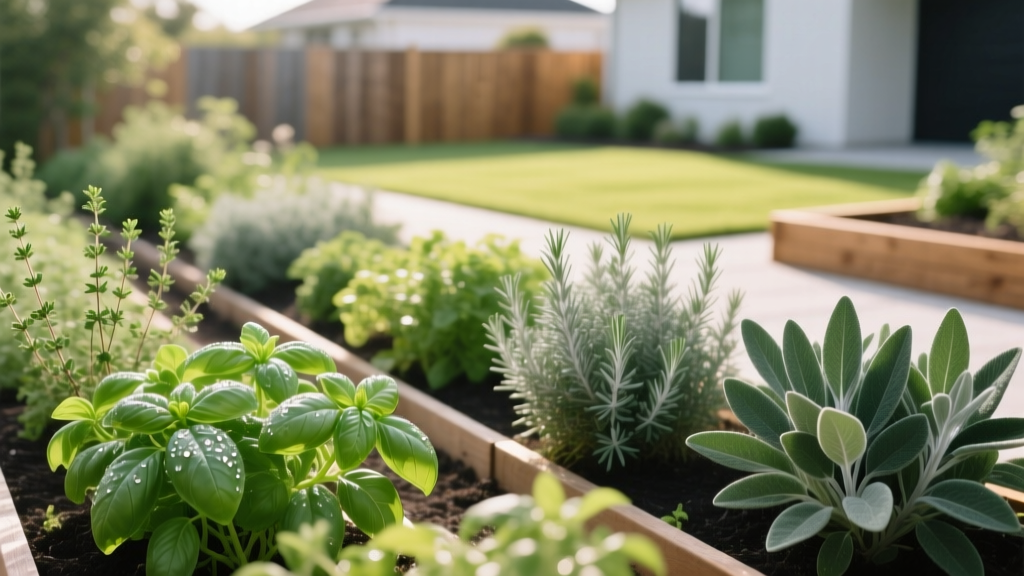
2026 Foodscaping: Culinary Basil, Thyme, Rosemary & Sage Design
Robert HayesPublished
The Evolution of Edible Landscaping in 2026
Foodscaping has completely transformed how we view our outdoor spaces. Gone are the days when edible plants were relegated to hidden, utilitarian backyard boxes. In 2026, edible landscaping is a premier design philosophy, merging the aesthetic rigor of ornamental horticulture with the practical yield of a kitchen garden. At the heart of this movement are the classic culinary herbs: basil, thyme, rosemary, and sage. These four powerhouses offer diverse textures, captivating fragrances, and structural versatility, making them indispensable for modern foodscaping.
Whether you are designing a formal knot garden, a drought-tolerant xeriscape, or a lush cottage border, integrating these herbs elevates both the beauty and the utility of your property. According to recent horticultural trends, homeowners are increasingly prioritizing dual-purpose plants that support pollinators while providing fresh ingredients, a cornerstone of the 2026 sustainable gardening movement.
Designing with the Core Four Culinary Herbs
To successfully foodscape, you must treat culinary herbs as you would any high-end ornamental shrub or perennial. This means considering their mature height, spread, foliage color, and bloom time to create a cohesive landscape design.
Basil: The Vibrant Annual Filler
Basil is the undisputed king of the summer kitchen, but in the landscape, it serves as a brilliant annual filler. In 2026, landscape designers are moving beyond standard green Genovese varieties. For striking visual contrast in front-yard borders, varieties like 'Purple Ruffles' or 'Red Rubin' provide deep, moody anthocyanin pigments that pop against lighter foliage. Plant basil in mass drifts along walkways where the sun-warmed leaves will release their spicy, clove-like aroma when brushed. Because it is a tender annual, basil is perfect for filling gaps left by spring-blooming bulbs. Ensure your soil is rich and consistently moist; integrating a modern smart drip irrigation system with inline emitters will keep the foliage dry and prevent downy mildew, a common issue in humid climates.
Thyme: The Aromatic Groundcover
Thyme is the ultimate workhorse for hardscape integration. Low-growing, mat-forming varieties like 'Elfin' or 'Creeping Lemon' are ideal for planting in the crevices between flagstone pavers or along the edges of retaining walls. When stepped on, they release a delightful fragrance and soften the harsh lines of stonework. Thyme thrives on neglect and requires exceptional drainage. In 2026, replacing traditional turf grass with creeping thyme in low-traffic areas remains a top trend for eco-conscious homeowners looking to reduce water consumption and eliminate mowing.
Rosemary: The Structural Anchor
Rosemary provides the evergreen backbone in an edible landscape. Upright varieties such as 'Tuscan Blue' or 'Arp' can be pruned into formal hedges, topiaries, or striking standalone specimens. Its needle-like foliage and pale blue winter blooms offer year-round interest and vital nectar for early-season pollinators. Rosemary is highly drought-tolerant once established, making it a staple in modern climate-resilient gardens. A mature 3-gallon specimen typically costs between $45 and $65 at premium nurseries in 2026, a worthy investment for a plant that can anchor a garden bed for decades. For a comprehensive guide on establishing woody herbs, the Penn State Extension offers excellent insights on soil preparation and overwintering techniques.
Sage: The Textural Contrast
Sage brings a soft, velvety texture and a muted, silvery-green hue that bridges the gap between disparate colors in a garden bed. Varieties like 'Berggarten' offer broad, rounded leaves that look incredibly architectural, while 'Tricolor' or 'Purpurascens' introduce splashes of cream, pink, and purple. Sage is a woody perennial that demands full sun and alkaline, well-draining soil. It pairs beautifully with dark-leaved ornamentals like Heuchera or the deep purple blooms of Russian Sage. To maintain its aesthetic appeal, sage must be pruned annually in early spring to prevent it from becoming leggy and woody at the base.
2026 Culinary Herb Landscaping Comparison Chart
| Herb Variety | Mature Size | Landscape Role | Water Needs | USDA Hardiness Zones |
|---|---|---|---|---|
| 'Purple Ruffles' Basil | 18-24' H x 12' W | Annual border filler, color contrast | High (Consistent moisture) | Annual (Grown in all zones) |
| 'Elfin' Creeping Thyme | 2-4' H x 12' W | Hardscape softener, groundcover | Low (Drought tolerant) | Zones 4-9 |
| 'Tuscan Blue' Rosemary | 4-6' H x 3-4' W | Structural anchor, evergreen hedge | Very Low (Xeriscape friendly) | Zones 8-10 |
| 'Berggarten' Sage | 2-3' H x 3' W | Textural foliage, mid-border perennial | Low (Well-draining soil) | Zones 5-9 |
Soil Preparation and Hardscape Integration
The secret to a thriving foodscape lies beneath the surface. Mediterranean herbs (rosemary, thyme, sage) despise 'wet feet.' If your native soil is heavy clay, you must amend it heavily with expanded shale, pumice, or coarse horticultural grit. In 2026, many landscapers are utilizing raised Corten steel beds or building dry-stone terraces specifically to guarantee the sharp drainage these herbs require. Utilizing a digital Bluetooth soil pH meter can help you ensure the soil leans slightly alkaline, which is preferred by these specific Mediterranean natives.
Mulching is equally critical; avoid moisture-retaining wood chips. Instead, use a 2-inch layer of crushed gravel or decomposed granite. This inorganic mulch reflects heat back onto the plants, mimics their native rocky habitats, and keeps the lower foliage dry, preventing fungal pathogens. For basil and other moisture-loving annuals, a separate zone with rich, compost-amended loam is necessary. Grouping plants by their hydro-zones—a practice known as hydrozoning—is a fundamental principle of modern edible landscaping that conserves water and optimizes plant health.
Companion Planting and Ecosystem Benefits
Foodscaping is not just about human consumption; it is about cultivating a balanced ecosystem. The essential oils that make these herbs so valuable in the kitchen also act as powerful pest deterrents in the garden. Rosemary and sage are known to repel cabbage moths and carrot rust flies, making them excellent companions for nearby vegetable plots. Furthermore, when allowed to flower, thyme, basil, and rosemary become magnet plants for beneficial insects. According to The Old Farmer's Almanac, allowing a few basil plants to bolt and flower late in the season will attract a myriad of native bees and predatory wasps that keep aphid populations in check naturally.
Maintenance: Pruning for Form and Flavor
In an edible landscape, harvesting and pruning are one and the same. However, unlike a traditional farm where maximum yield is the goal, foodscaping prioritizes form. Regular tip-pruning of basil encourages a dense, bushy habit rather than a tall, spindly one. For woody herbs like rosemary and sage, never cut back into old, leafless wood, as it rarely regenerates. Instead, lightly shear the new growth after the spring flush to maintain a tight, mounded shape. Always sanitize your pruning shears with a 70% isopropyl alcohol solution between plants to prevent the spread of fungal diseases, a critical step in high-density edible landscaping.
Conclusion
Embracing the foodscaping movement in 2026 means redefining the boundaries between the ornamental and the edible. By thoughtfully designing with basil, thyme, rosemary, and sage, you create a dynamic, multi-sensory landscape that feeds the body, supports local ecology, and delights the eye. Whether you are threading thyme through a stone pathway or sculpting a rosemary hedge, these culinary staples prove that the most beautiful gardens are also the most delicious.
