Gardening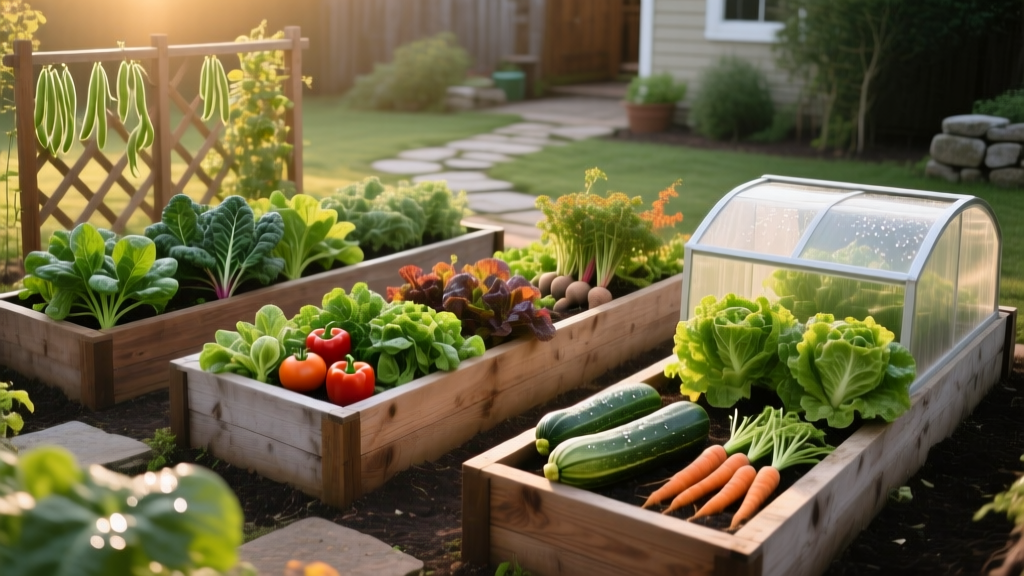
Plan a Four-Season Raised Bed Vegetable Garden Layout
David ParkPublished
The Foundation: Designing a Blueprint for Year-Round Harvests
Transitioning from a traditional row garden to an intensive raised bed layout is one of the most impactful design decisions a home gardener can make. When you plan a four-season raised bed vegetable garden layout, you are not just building wooden boxes; you are engineering a controlled microclimate that maximizes yield, minimizes weed pressure, and extends your growing season well beyond the first frost. Proper planning requires a strategic approach to dimensions, orientation, soil architecture, and succession planting. Whether you are working with a small urban courtyard or a sprawling suburban backyard, a meticulously designed raised bed system will provide a structured, accessible, and highly productive space for growing vegetables, herbs, and edible flowers year-round.
Sizing, Spacing, and Orientation
The physical dimensions of your raised beds dictate how easily you can maintain them and how efficiently you can utilize your space. The golden rule for raised bed width is 4 feet. This measurement allows an average adult to reach the exact center of the bed (2 feet) from either side without stepping on the soil, thereby preventing compaction and preserving the delicate soil structure.
For length, 8 feet is the most cost-effective dimension, as it aligns perfectly with standard lumber lengths, minimizing waste and reducing the need for cross-bracing. An 11-inch depth (achieved using a single 2x12 board) is sufficient for most shallow-rooted crops like lettuce, radishes, and herbs, while deeper beds (18 to 24 inches) are recommended for deep-rooting crops like carrots, parsnips, and indeterminate tomatoes.
Orientation is equally critical. Align your beds along a North-South axis. This ensures that the sun sweeps evenly across the bed from east to west, preventing taller crops from casting permanent shadows on shorter, sun-loving plants. Always place your tallest trellised crops (like pole beans and tomatoes) on the northernmost edge of the bed. Maintain a minimum of 36 inches between beds to accommodate a standard wheelbarrow and ensure adequate airflow, which is vital for preventing fungal diseases.
Material Selection and Budgeting
Choosing the right material for your bed borders impacts your budget, the longevity of your garden, and the aesthetic of your landscape. Below is a comparison of the most popular raised bed materials to help you plan your investment.
| Material | Estimated Cost (4x8 Bed) | Lifespan | Pros & Cons |
|---|---|---|---|
| Untreated Cedar | $150 - $220 | 10 - 15 Years | Naturally rot-resistant and beautiful, but expensive and can warp over time. |
| Galvanized Steel | $90 - $140 | 20+ Years | Highly durable, pest-proof, and modern look; however, soil can overheat in peak summer. |
| Composite Wood | $250 - $350 | 25+ Years | Zero maintenance and won't rot or splinter, but the highest upfront cost. |
| Concrete Blocks | $60 - $100 | Lifetime | Extremely cheap and easy to stack; retains heat well but can alter soil pH slightly. |
Soil Architecture: The Engine of Your Garden
The greatest advantage of a raised bed is the ability to control the soil environment from day one. A standard 4x8 bed that is 11 inches deep holds approximately 32 cubic feet of soil. Never fill a raised bed with native ground soil or heavy topsoil alone, as it will compact rapidly in a confined space, suffocating plant roots.
According to the Cornell University College of Agriculture and Life Sciences (CALS), raised beds require a specialized soil matrix that prioritizes drainage and aeration while retaining moisture. Cornell extension experts recommend a mix that mimics natural forest loam. A highly effective, scalable recipe for filling your beds includes:
- 40% High-Quality Topsoil or Loam: Provides the mineral base and bulk.
- 40% Organic Compost: A blend of leaf mold, mushroom compost, and vermicompost to supply slow-release nutrients and beneficial microbes.
- 20% Aeration and Moisture Retention: Coarse horticultural pumice, perlite, or coconut coir to prevent compaction and retain water during summer heatwaves.
'The physical structure of raised bed soil is just as important as its chemical fertility. Because raised beds drain more rapidly than in-ground gardens, incorporating organic matter and coarse aeration materials is non-negotiable for long-term root health.' — Cornell University Cooperative Extension, Guide to Raised Bed Gardening
Budgeting for soil can be surprising. Buying 32 cubic feet in pre-bagged volumes can cost upwards of $250 per bed. To save money, plan your project for early spring and order a bulk delivery of a 50/50 topsoil-compost blend from a local landscape supply yard, which typically costs between $40 and $70 per cubic yard (27 cubic feet), cutting your soil costs by more than half.
Grid Mapping and Companion Planting Perimeters
Before planting, map your 4x8 bed using a 1-foot grid system, popularized by Square Foot Gardening. This design idea allows you to visualize yields and plan companion planting zones. For example, a single 1x1 foot square can hold one tomato plant, four Swiss chard plants, nine bush beans, or sixteen radishes.
Design the outer perimeter of your raised beds as a 'beneficial insect corridor.' Planting alyssum, calendula, and French marigolds along the edges serves a dual purpose: it softens the hardscape visually while attracting predatory wasps and ladybugs that manage aphid populations on your primary vegetable crops. This integrated pest management (IPM) design reduces the need for chemical interventions and increases pollination rates for fruiting crops like squash and cucumbers.
Four-Season Succession Planting Strategy
A true four-season garden layout relies on rapid succession planting and understanding the microclimates within your beds. By planning your crop rotation in advance, you ensure the soil is never left bare and vulnerable to erosion or weed invasion. Below is a strategic layout plan for a single 4x8 bed across four distinct growing phases.
| Season | Primary Crop Focus | Understory / Companion | Harvest Window & Transition Plan |
|---|---|---|---|
| Early Spring | Snow Peas, Spinach, Radishes | Chamomile, Chives | Harvest by late May. Immediately amend with 2 inches of compost before summer planting. |
| Summer | Indeterminate Tomatoes, Bush Beans, Zucchini | Basil, Nasturtiums, Marigolds | Harvest continuously July-September. Prune lower tomato leaves to allow light for understory herbs. |
| Autumn | Garlic, Kale, Swiss Chard, Carrots | Cilantro, Dill | Plant garlic cloves in October for next summer. Harvest leafy greens through November. |
| Winter | Overwintering Spinach, Mache (Corn Salad) | Cover Crops (Winter Rye) | Utilize cold frames. Harvest hardy greens on mild winter days. Turn rye into soil in early spring. |
Integrating Season Extension Structures
To achieve a genuine four-season harvest, your garden design must include infrastructure for season extension. Plan for low tunnels during the initial construction phase. Attach heavy-duty metal brackets or eye-hooks to the interior corners of your raised beds. This allows you to slide in 1/2-inch PVC pipes to create hoops that span the 4-foot width.
Cover these hoops with 6-mil UV-treated greenhouse polyethylene or floating row covers (Agribon AG-19). A low tunnel traps geothermal heat radiating from the soil, effectively shifting your garden's hardiness zone two to three levels warmer. This simple design addition costs roughly $40 per bed but can keep crops like carrots, leeks, and spinach producing well into January, even in northern climates with heavy snow loads.
Final Planning Checklist
Before breaking ground, ensure your design meets the following criteria:
- Sunlight Audit: Track sunlight across your proposed layout for a full day to guarantee a minimum of 8 hours of direct sun for summer fruiting crops.
- Water Access: Run a 3/4-inch main drip irrigation line down the center of your primary pathway, with 1/4-inch drip emitters snaking through the beds. Hand-watering four-season gardens becomes a major burden during peak summer and dry autumn spells.
- Pathway Hardscaping: Cover pathways with 3 inches of arborist wood chips over a layer of heavy-duty cardboard. This design choice suppresses weeds, retains soil moisture in adjacent beds, and decomposes slowly to feed the surrounding ecosystem.
By meticulously planning your dimensions, investing in proper soil architecture, and mapping out a four-season succession strategy, your raised bed garden will transform from a simple backyard project into a highly efficient, year-round food-producing landscape.
