Gardening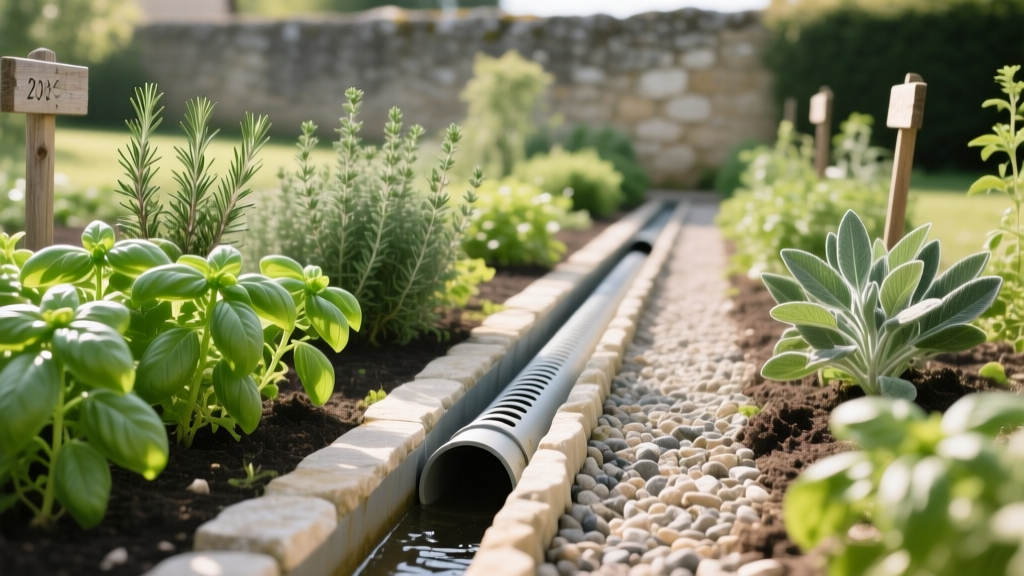
2026 French Drain Herb Garden Design: Basil, Thyme & Rosemary
James MillerPublished
The Drainage Dilemma for Culinary Herbs in 2026
As we navigate the shifting weather patterns of 2026, home gardeners are facing a common challenge: heavier, more unpredictable spring downpours followed by intense summer heat. For culinary herb enthusiasts, this erratic moisture cycle can be devastating. Mediterranean staples like rosemary, thyme, and sage are notoriously susceptible to root rot in waterlogged soils, while sweet basil requires consistent moisture but will quickly succumb to fungal diseases if its roots sit in standing water. If your yard features heavy clay soil or poor natural grading, integrating a French drain into your herb garden design is no longer just an option—it is a necessity for a thriving 2026 harvest.
Installing a French drain beneath or adjacent to your herb beds ensures that excess groundwater is swiftly redirected away from your plants' delicate root zones. This comprehensive guide will walk you through designing, installing, and planting a culinary herb garden featuring basil, thyme, rosemary, and sage, utilizing modern drainage techniques to guarantee success.
Understanding Herb Moisture and Soil Requirements
Before digging any trenches, it is crucial to understand the specific microclimate requirements of your chosen culinary herbs. While they are often grouped together in garden centers, their water and soil preferences vary significantly. According to the Royal Horticultural Society (RHS) Herb Growing Guide, matching the plant to the right drainage profile is the secret to vigorous growth and high essential oil production.
| Herb Variety | Water Needs | Soil Preference | Drainage Tolerance |
|---|---|---|---|
| Sweet Basil | Moderate to High | Rich, loamy, moisture-retentive | Poor (Hates dry spells, but rots in puddles) |
| English Thyme | Low | Sandy, gritty, alkaline | Excellent (Requires fast-draining soil) |
| Rosemary | Low | Sandy, rocky, slightly alkaline | Excellent (Extremely prone to root rot) |
| Culinary Sage | Low to Moderate | Well-draining loam, neutral pH | Good (Tolerates brief dry periods) |
Designing the French Drain System for Your Garden
A French drain is essentially a gravel-filled trench containing a perforated pipe that redirects surface and groundwater away from low-lying areas. For a culinary herb garden, the goal is not necessarily to dry out the soil completely, but to eliminate the perched water table that suffocates roots during heavy 2026 rainstorms. The Royal Horticultural Society (RHS) Drainage Advice highlights that combining subsurface drainage with raised planting beds yields the best results for Mediterranean herbs.
Materials Needed (2026 Pricing Estimates)
- Perforated Corrugated Drain Pipe (4-inch): Approximately $1.20 per linear foot in 2026. Opt for pipe wrapped in a geotextile filter sock to prevent silt clogging.
- Washed Drainage Gravel (3/4-inch crushed stone): Roughly $55 to $75 per ton, depending on your region. Avoid pea gravel, as it does not lock together well.
- Non-Woven Geotextile Landscape Fabric: $0.75 per square foot. Essential for separating the gravel from the surrounding clay soil.
- Output Catch Basin or Pop-Up Emitter: $25 to $40 to safely disperse water at the end of the run.
Step-by-Step French Drain Installation
Proper installation is critical. A poorly sloped drain will simply create an underground bathtub for your rosemary and thyme. Follow these steps, adapted from Family Handyman's French Drain Guide, to ensure optimal water flow.
1. Map the Trench and Calculate Slope
Determine where the water naturally pools in your yard and plan a trench that runs beneath or immediately downhill from your planned herb bed. The trench must have a minimum slope of 1 inch per 8 feet (a 1% grade). Use a string line and a line level to verify your gradient before digging.
2. Dig the Trench
For a standard garden application, dig a trench that is 12 inches wide and 18 inches deep. If you are dealing with exceptionally dense clay, you may need to widen the trench to 16 inches to increase the gravel volume and water-catching capacity.
3. Line with Landscape Fabric
Drape the non-woven geotextile fabric over the trench, leaving at least 6 inches of excess fabric hanging over both sides. This overhang will be used to wrap the gravel later, creating a gravel burrito that keeps soil out of your drainage matrix.
4. Add Base Gravel and Lay the Pipe
Shovel 2 to 3 inches of washed 3/4-inch gravel into the bottom of the trench. Place the perforated drain pipe on top of the gravel, ensuring the holes are pointing downward. This is a common mistake; holes facing up allow sediment to fall directly into the pipe, whereas holes facing down draw water up from the saturated gravel bed.
5. Cover and Wrap
Cover the pipe with another 4 to 5 inches of gravel. Then, fold the excess landscape fabric over the top of the gravel, overlapping the seams. Pin the fabric in place with landscape staples.
6. Top with Soil and Mulch
Fill the remaining few inches of the trench with native topsoil, or if you are building a raised bed directly above the drain, proceed to your bed construction. The fabric and gravel will remain hidden, silently protecting your herbs' roots.
Building the Raised Culinary Herb Bed
To maximize the benefits of your new French drain, construct a raised bed directly over or adjacent to the trench. A raised bed elevates the root zone, providing additional gravitational drainage. In 2026, composite lumber or corten steel are the preferred materials for raised beds due to their longevity and resistance to rot.
The Ideal 2026 Herb Soil Mix
Do not use heavy garden soil. Create a custom, fast-draining mix tailored for your herbs:
- 40% High-quality organic potting mix (for moisture retention and nutrients, benefiting the basil).
- 30% Coarse horticultural sand or perlite (crucial for the aeration needs of thyme and rosemary).
- 20% screened compost (for slow-release microbial activity).
- 10% crushed oyster shells or agricultural lime (to buffer the pH toward the alkaline side, which Mediterranean herbs prefer).
Planting and Spacing Guide: Basil, Thyme, Rosemary, Sage
With your drainage infrastructure secured and your raised bed filled with the perfect soil matrix, it is time to plant. Proper spacing is vital to ensure adequate airflow, which reduces the humidity that leads to powdery mildew and fungal issues.
Rosemary (Salvia rosmarinus)
Plant rosemary at the highest, driest end of your raised bed. Space plants 24 to 36 inches apart. Rosemary grows into a substantial woody shrub. In 2026, look for cold-hardy cultivars like Arp or Hill Hardy if you experience freezing winters, allowing you to keep them in the ground year-round.
Culinary Sage (Salvia officinalis)
Sage requires good airflow to prevent mildew. Space plants 18 to 24 inches apart. Plant them in the middle of the bed where they will receive full sun but benefit from the ambient warmth radiating from the stones or bed walls.
English Thyme (Thymus vulgaris)
Thyme is a low-growing ground cover. Space plants 12 to 18 inches apart. Consider planting thyme near the edges of the raised bed where it can cascade over the sides. It thrives in the leanest, sandiest pockets of your soil mix.
Sweet Basil (Ocimum basilicum)
Unlike the Mediterranean trio, basil is a tender annual that loves warmth and consistent moisture. Plant basil at the lowest end of the raised bed, furthest from the rosemary, where the soil retains slightly more moisture. Space plants 12 to 16 inches apart. Pinch off flower buds regularly to encourage bushy, leafy growth throughout the summer.
Conclusion
Designing a culinary herb garden in a yard with poor drainage no longer means resigning yourself to stunted rosemary and rotting thyme. By installing a properly graded French drain and utilizing a customized raised-bed soil mix, you create a resilient, high-yielding microclimate. As 2026 brings new weather challenges, this proactive approach to water management ensures your basil, thyme, rosemary, and sage will thrive, providing your kitchen with fresh, robust flavors all season long.
