Pest Control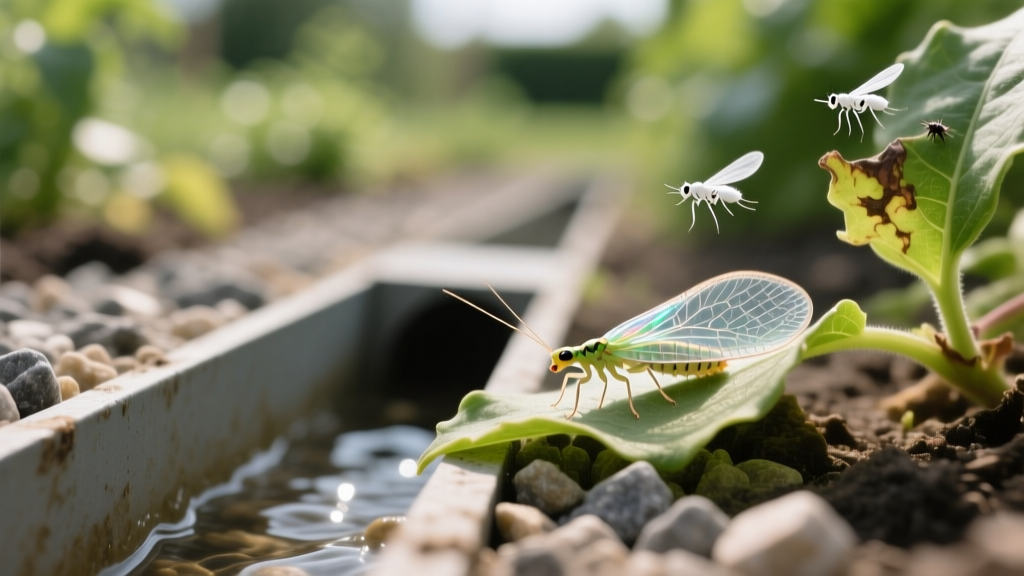
French Drain IPM: Lacewing Larvae Rates for Whiteflies 2026
Sarah ChenPublished
The Hidden Link Between Soil Drainage and Whitefly Outbreaks
As landscape drainage contractors and integrated pest management (IPM) specialists, we frequently encounter a frustrating scenario: homeowners spend thousands of dollars on chemical sprays to combat whitefly infestations, only for the pests to return with a vengeance the following season. In 2026, the most effective approach to pest control begins not with a spray nozzle, but with a shovel. The installation of a French drain is often the missing foundational step in a holistic whitefly management program. To understand why, we must look at plant physiology and soil hydrology.
Whiteflies are notorious for targeting stressed plants. When a landscape suffers from poor drainage, the root zone becomes waterlogged, leading to soil hypoxia (oxygen deprivation). Under hypoxic stress, plants undergo metabolic changes that alter the composition of their phloem sap, often increasing the concentration of free amino acids and simple sugars. This altered sap acts as a powerful beacon for piercing-sucking insects like whiteflies. Furthermore, waterlogged roots compromise the plant's systemic immune responses, making it virtually defenseless against an invading colony. By installing a properly engineered French drain, we restore soil aeration, eliminate root-zone hypoxia, and effectively 'turn off' the biological beacon that attracts whiteflies to your landscape.
2026 French Drain Installation: Securing the Root Zone
Before deploying biological controls, the physical environment must be corrected. In 2026, modern French drain installation relies on advanced materials and precise grading to ensure long-term soil health without disrupting the surrounding ecosystem. When trenching near whitefly-prone ornamentals (such as hibiscus, citrus, and lantana), we follow strict IPM-conscious protocols:
- Trench Depth and Slope: We excavate to a depth of 18 to 24 inches, ensuring a minimum slope of 1/8 inch per foot to guarantee positive water flow away from the root zones of susceptible plants.
- Biodegradable Geotextiles: Instead of traditional synthetic landscape fabrics that can trap fine silts and eventually clog, we now wrap our perforated corrugated pipes in advanced biodegradable, bio-filtration geotextiles. These allow optimal water infiltration while preventing soil intrusion, maintaining the drainage system's efficacy for decades.
- Gravel Backfill: We use washed, angular drainage gravel (typically 3/4-inch crushed stone) rather than rounded river rock. Angular gravel locks together, preventing soil subsidence and maintaining vital air pockets in the soil profile, which is critical for root respiration and plant stress reduction.
According to the University of California Integrated Pest Management program, maintaining optimal plant vigor through proper cultural practices, including adequate drainage and irrigation, is the first and most critical line of defense against whitefly populations.
Lacewing Larvae: The Apex Predator of Whiteflies
Once the French drain is installed and the soil begins to dry and aerate, the existing whitefly population must be managed. This is where the green lacewing (*Chrysoperla rufilabris* and *Chrysoperla carnea*) becomes our most valuable ally. While adult lacewings feed primarily on nectar and pollen, their larvae are voracious, generalist predators. Often referred to as 'aphid lions,' lacewing larvae possess large, curved mandibles that they use to seize prey, inject paralyzing venom, and drain the bodily fluids of soft-bodied insects, including all life stages of whiteflies.
The Environmental Protection Agency strongly advocates for the use of biological pest control agents like lacewings to reduce reliance on broad-spectrum chemical pesticides, which can harm pollinators and lead to pesticide-resistant pest strains. In 2026, the commercial rearing and shipping of lacewing larvae have reached new heights of reliability, utilizing temperature-controlled, biodegradable gel packs that ensure the larvae arrive at your job site hungry and active.
2026 Application Rates for Lacewing Larvae Against Whiteflies
Determining the correct application rate for lacewing larvae is critical. Under-applying will fail to suppress the whitefly population, while over-applying is an unnecessary expense and can lead to cannibalism among the larvae if food sources run out. The application rate depends heavily on the current infestation level, the plant canopy density, and the specific microclimate of the landscape.
When releasing lacewing larvae in an area where a French drain has just been installed, it is vital to account for the unique microclimate of the drain's discharge zone or adjacent rain garden. These areas often feature denser, more moisture-loving foliage, which can harbor higher whitefly densities. Below is the definitive 2026 application chart for lacewing larvae targeting whiteflies.
| Infestation Level | Larvae per Sq Ft | Release Frequency | Target Zones & Plant Types |
|---|---|---|---|
| Preventative | 1 - 3 | Once per season | Perimeter beds, newly installed rain gardens, healthy citrus |
| Light | 5 - 8 | Every 14 days (2 releases) | Tomatoes, peppers, isolated ornamental shrubs |
| Moderate | 10 - 15 | Every 10 days (3 releases) | Hibiscus, squash, melons, heavily shaded canopy areas |
| Severe | 20 - 30+ | Weekly until controlled | Greenhouses, severe canopy overlap, historically waterlogged zones |
Synergizing Drainage Construction with Biological Releases
One of the most common mistakes landscape contractors make is releasing beneficial insects during or immediately after hardscape or drainage construction. The physical act of installing a French drain involves trenching, moving soil, and operating machinery, all of which generate significant amounts of dust and physical disturbance.
The Dust Factor: Dust settling on plant leaves is highly detrimental to lacewing larvae. Dust particles can clog the spiracles (breathing pores) of the larvae and physically impede their movement across the leaf surface. Furthermore, a layer of dust on the leaves interferes with the plant's ability to photosynthesize and transpire, compounding the stress we are trying to alleviate with the French drain.
The 2026 Release Protocol:
- Complete the Trenching: Finish all excavation, pipe laying, and gravel backfilling for the French drain.
- Foliage Washing: Before releasing the lacewing larvae, use a gentle spray nozzle to wash all construction dust, debris, and existing whitefly honeydew off the leaves of the target plants. This provides a clean hunting ground for the larvae.
- Timing the Release: Release the lacewing larvae at dusk or in the early evening. Lacewing larvae are sensitive to desiccation (drying out) and UV radiation. Releasing them at night allows them to disperse into the canopy and begin feeding under the protection of darkness and higher humidity.
- Application Method: For 2026 commercial shipments, larvae typically arrive in biodegradable cardboard tubes or breathable mesh bags mixed with a carrier material like buckwheat hulls. Gently rotate the container to distribute the larvae evenly, then sprinkle them directly onto the foliage, focusing on the undersides of the leaves where whiteflies congregate and lay their eggs.
'Integrating structural drainage solutions with biological pest control is the hallmark of modern, sustainable landscaping. A French drain fixes the environmental trigger, while lacewing larvae act as the biological cleanup crew.'
Post-Installation Monitoring and Maintenance
After the French drain is operational and the lacewing larvae have been released, ongoing monitoring is essential. Inspect the undersides of leaves weekly using a 10x jeweler's loupe. You are looking for a reduction in whitefly nymphs and the presence of lacewing larvae. A successful release will show a noticeable decline in whitefly populations within 10 to 14 days. You may also notice 'trash carriers'—lacewing larvae that camouflage themselves by sticking the carcasses of their prey (including whiteflies) to their backs. This is a strong indicator that the biological control is actively working.
Maintaining the French drain is equally important for long-term IPM success. Ensure that the drain discharge area remains clear of debris so that water can freely exit the system. In the fall, clear any leaves from the exposed gravel or catch basins to prevent clogging. By keeping the root zone well-aerated and dry, you maintain the plant's natural vigor, drastically reducing the likelihood of future whitefly outbreaks and minimizing the need for subsequent lacewing releases.
Conclusion
Effective whitefly management in 2026 requires looking beyond the leaves and addressing the soil. By combining the structural benefits of a professionally installed French drain with the targeted, aggressive predation of lacewing larvae, homeowners and landscape professionals can achieve lasting pest control. This dual approach not only eradicates the current whitefly infestation but also fundamentally improves the health, resilience, and beauty of the entire landscape ecosystem.