Pest Control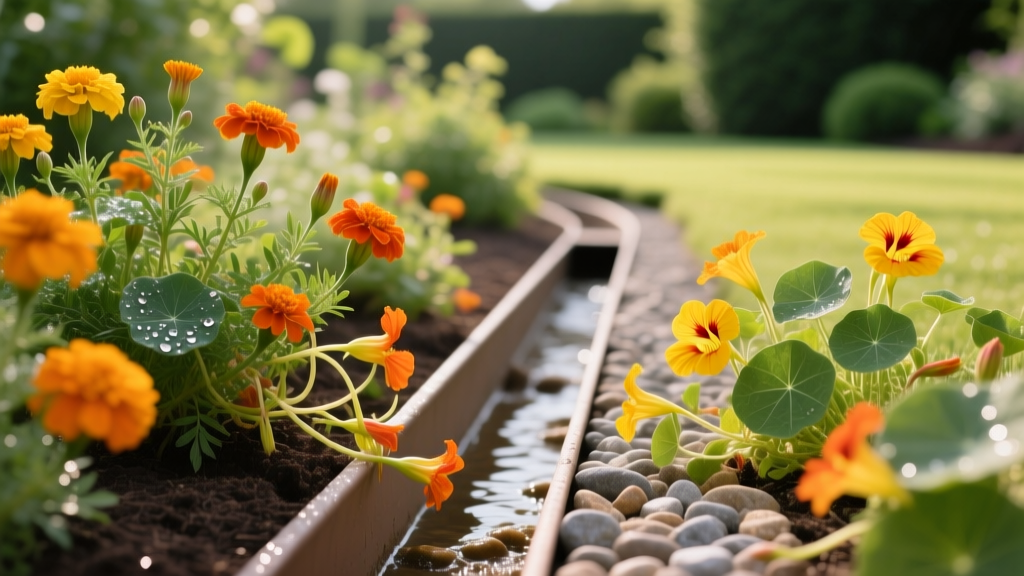
French Drain Pest Control: Marigold & Nasturtium Companions 2026
David ParkPublished
The Intersection of Drainage and Pest Management in 2026
As extreme weather patterns and heavy spring downpours continue to challenge residential landscapes in 2026, French drain installations have become a critical component of modern yard infrastructure. However, the very act of installing a French drain—trenching, backfilling, and creating subterranean moisture corridors—can inadvertently invite a host of pest problems. Disturbed soil, lingering moisture, and organic backfill materials create an ideal microclimate for fungus gnats, root-knot nematodes, burrowing insects, and mosquito larvae.
To combat this, leading landscape architects and entomologists are championing a biological approach: integrating pest-resistant plant varieties directly into the drain's soil cap and daylight exit zones. Specifically, the companion planting of French marigolds (Tagetes patula) and nasturtiums (Tropaeolum majus) offers a dual-purpose solution. These plants provide shallow-rooted erosion control over the drain trench while deploying powerful natural pest deterrents. According to the EPA's Integrated Pest Management Principles, utilizing biological controls and habitat manipulation is a cornerstone of sustainable, long-term pest reduction.
Why Marigolds and Nasturtiums are the Ultimate Drain Companions
When covering a French drain, you are limited by root depth. Deep-rooted shrubs or trees can penetrate the geotextile fabric and clog the perforated pipe. Marigolds and nasturtiums possess fibrous, shallow root systems that thrive in the top 6 to 8 inches of soil, making them perfectly suited for the 'soil cap' above the drainage gravel.
Marigolds: The Nematode Nemesis
French marigolds are renowned in the agricultural and landscaping sectors for their ability to suppress root-knot nematodes, microscopic soil worms that devastate the root systems of nearby ornamental plants and turfgrass. The roots of Tagetes patula release a biochemical compound called alpha-terthienyl, which is highly toxic to nematode eggs and larvae. By planting a dense border of marigolds along the edges of your French drain trench, you create a biological barrier that protects your foundation plantings and lawn from these subterranean pests. The Royal Horticultural Society (RHS) Guide to Tagetes highlights that specific cultivars like 'Lemon Gem' and 'Tangerine Gem' are exceptionally effective at nematode suppression while providing continuous summer blooms.
Nasturtiums: The Trap Crop and Living Mulch
Nasturtiums serve a completely different, yet equally vital, role in your drainage pest management strategy. They act as a 'trap crop.' Aphids, blackflies, and whiteflies are intensely attracted to the succulent stems and leaves of nasturtiums. By planting them at the 'daylight' termination point of your French drain (where the water exits into a splash block or dry creek bed), you draw sap-sucking pests away from your prized garden beds. Furthermore, the broad, overlapping leaves of trailing nasturtiums act as a living mulch. They shade the soil cap over the drain, retaining just enough moisture to keep the soil from cracking and eroding during heavy water discharge events, without holding the stagnant surface water that mosquitoes need to breed.
Step-by-Step French Drain Installation with Companion Planting
Integrating these pest-resistant plants requires a slight modification to the standard French drain installation process. Here is how to execute the project in 2026, ensuring optimal drainage and pest control.
Step 1: Trenching and Slope Calculation
Dig a trench 12 to 18 inches wide and 18 to 24 inches deep. Ensure a minimum slope of 1/8 inch per linear foot to guarantee gravity-fed water flow. The trench walls should be as vertical as possible to prevent collapse.
Step 2: Geotextile Lining and Pipe Placement
Line the trench with a high-quality, non-woven geotextile fabric. Non-woven fabrics are preferred in 2026 over woven alternatives because they resist clogging from fine silt while allowing rapid water permeation. Lay a 4-inch perforated PVC or corrugated drainage pipe (such as the NDS Pro-Series) at the bottom, holes facing downward to allow water to enter from the surrounding gravel bed.
Step 3: Gravel Backfill and the Soil Cap
Cover the pipe with 3/4-inch washed river rock or drainage gravel. Do not use pea gravel, as it compacts too tightly and reduces flow rates. Fill the trench with gravel until you are 8 inches below the final ground grade. Fold the excess geotextile fabric over the gravel to create a protective envelope.
Step 4: The Pest-Resistant Soil Cap
Fill the remaining 8 inches of the trench with a well-draining soil mix (70% topsoil, 30% coarse compost). This is your planting zone. Because the geotextile barrier sits 8 inches below, the shallow roots of your marigolds and nasturtiums will never reach the pipe.
- Marigold Placement: Plant French marigold plugs 8 inches apart along the outer edges of the trench line. This creates a solid border of nematode-repelling roots.
- Nasturtium Placement: Sow nasturtium seeds directly into the center of the soil cap and heavily around the daylight exit point. As they grow, they will spill over the edges, anchoring the soil and trapping airborne pests.
2026 Cost Breakdown: Drainage and Companion Plants
Budgeting for a French drain has shifted slightly in 2026 due to advancements in geotextile materials and the rising cost of PVC. However, the biological pest control aspect remains highly cost-effective. Below is an estimated cost breakdown for a 50-linear-foot installation, including the companion planting materials.
| Material / Component | Quantity (for 50 ft) | Estimated 2026 Cost |
|---|---|---|
| NDS Pro-Series 4-in Corrugated Pipe | 50 feet | $85.00 |
| Non-Woven Geotextile Drainage Fabric | 1 roll (3 ft x 100 ft) | $65.00 |
| 3/4-inch Washed Drainage Gravel | 2.5 cubic yards | $140.00 |
| Topsoil & Coarse Compost Mix (Soil Cap) | 1 cubic yard | $45.00 |
| French Marigold Plugs ('Lemon Gem') | 50 plugs | $35.00 |
| Trailing Nasturtium Seeds ('Alaska') | 2 packets | $8.00 |
| Total Estimated Material Cost | $378.00 |
Note: Labor costs for trenching and installation will vary significantly by region and soil type, typically adding $15 to $30 per linear foot for professional landscaping services in 2026.
Maintenance and IPM Strategies for Drain Zones
Once your French drain and companion plants are established, maintaining the system requires a proactive Integrated Pest Management (IPM) approach. The goal is to ensure the drain functions flawlessly while managing the trap crops effectively.
Managing the Trap Crop
Because nasturtiums are acting as a trap crop for aphids, you must monitor them weekly during the peak growing season. The University of Minnesota Extension on Aphid Management notes that once a trap crop becomes heavily saturated with pests, it must be managed to prevent the insects from migrating back to your primary landscape. If your nasturtium vines at the drain exit become overwhelmed with aphids, simply prune the heavily infested stems and dispose of them in a sealed bag or hot compost bin. The fast-growing nature of nasturtiums means they will quickly regenerate new, pest-free foliage.
Watering and Drainage Care
During the initial establishment phase (the first 3 to 4 weeks), water the marigolds and nasturtiums lightly but frequently. Use a drip irrigation line laid temporarily over the soil cap to avoid washing away the topsoil. Once established, these plants are relatively drought-tolerant and will primarily rely on the ambient moisture wicking up from the drainage gravel below. Avoid applying heavy synthetic fertilizers to the soil cap; excess nitrogen will promote weak, sappy growth in the nasturtiums, making them even more attractive to pests and potentially disrupting the natural biochemical defenses of the marigolds.
End-of-Season Cleanup
In late autumn, after the first hard frost kills back the marigolds and nasturtiums, remove the dead plant debris from the drain line. Leaving decaying organic matter on top of the soil cap can attract overwintering pests and create a mat that impedes surface water from percolating down into the drain trench. Reapply a thin layer of compost to the soil cap to prepare the bed for the following spring's planting.
Conclusion
Installing a French drain in 2026 is about more than just moving water away from your foundation; it is an opportunity to enhance the ecological resilience of your landscape. By strategically incorporating pest-resistant plant varieties like French marigolds and trailing nasturtiums into your drain's soil cap and exit zones, you transform a vulnerable, pest-prone trench into a vibrant, functional, and biologically active asset. This companion planting strategy not only protects your soil from erosion but also provides a beautiful, chemical-free shield against nematodes and sap-sucking insects, ensuring your yard remains healthy, dry, and pest-free for years to come.