Gardening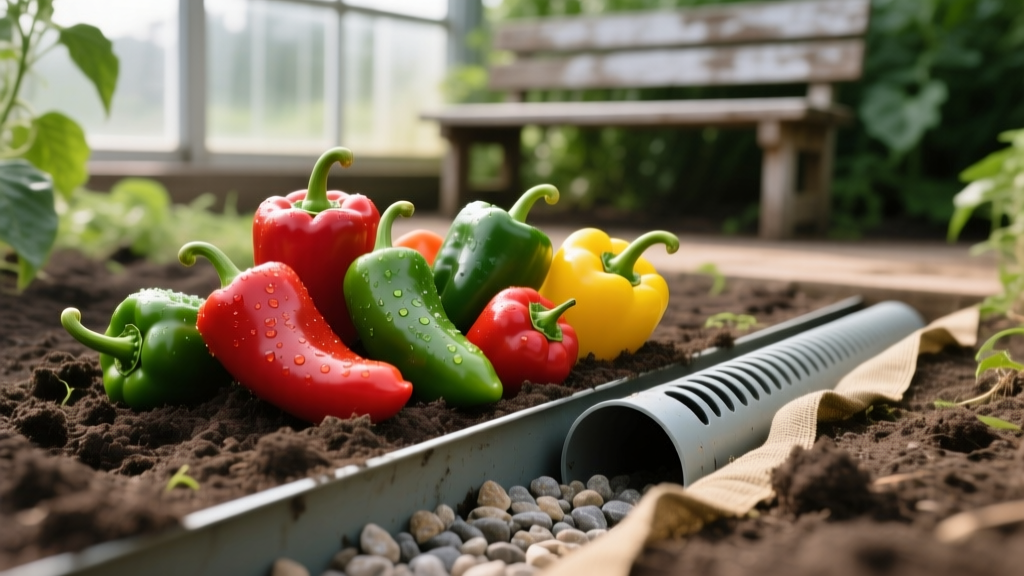
2026 Pepper Drainage: French Drains for Jalapeno, Bell & Habanero
Lisa ThompsonPublished
The "Wet Feet" Dilemma in 2026 Pepper Cultivation
As climate patterns shift in 2026, home gardeners are increasingly facing erratic, heavy spring downpours followed by intense summer heat. For pepper enthusiasts, this volatility presents a massive challenge: the dreaded "wet feet" syndrome. Peppers are notoriously sensitive to waterlogged soil. When soil pores fill with standing water, oxygen is displaced, leading to rapid root asphyxiation and creating the perfect breeding ground for Phytophthora capsici, the devastating pathogen responsible for root and crown rot.
While container gardening offers some control, in-ground and raised bed pepper cultivation requires a more permanent, structural solution to manage subsurface water. Enter the French drain. Originally designed for foundation protection, the modern French drain has become an indispensable tool in the 2026 edible landscaping playbook. By actively wicking excess moisture away from the root zone, a properly installed French drain creates the perfectly aerated, well-draining loam that high-yield pepper plants demand.
Jalapeno vs. Bell Pepper vs. Habanero: Moisture and Drainage Profiles
Not all peppers are created equal. The three most popular varieties cultivated in home gardens—Jalapeno, Bell, and Habanero—belong to different species and possess distinct root architectures and moisture tolerances. Understanding these differences is critical when designing your drainage strategy and amending your soil post-installation.
According to research from Penn State Extension, maintaining consistent but never saturated soil moisture is the key to preventing blossom end rot and fungal diseases across all pepper varieties. However, the threshold for "saturated" varies.
| Pepper Variety | Species | Root Architecture | Watering Preference | Root Rot Susceptibility |
|---|---|---|---|---|
| Bell Pepper | Capsicum annuum | Shallow, fibrous, concentrated in top 12 inches. | Consistent moisture; highly sensitive to drying out or drowning. | High. Shallow roots suffocate quickly in compacted, wet clay. |
| Jalapeno | Capsicum annuum | Moderate depth; slightly more drought-tolerant taproot. | Deep, infrequent watering; prefers topsoil to dry slightly between waterings. | Moderate. More forgiving than bells, but still fails in boggy beds. |
| Habanero | Capsicum chinense | Deeper, robust taproot system adapted to tropical, well-draining soils. | Dry intervals; thrives on a "soak and dry" cycle. | Extreme. Habaneros will rapidly succumb to fungal rot in stagnant water. |
As the table illustrates, while Bell Peppers need steady moisture, they cannot tolerate pooling. Habaneros, conversely, require aggressive drainage to allow their deeper root zones to dry out between irrigation cycles. A French drain installed beneath or adjacent to your pepper plot guarantees that gravity and capillary action work in your favor, catering to the needs of all three varieties simultaneously.
Designing a French Drain for the 2026 Pepper Garden
The University of Minnesota Extension emphasizes that effective yard drainage relies on intercepting water before it settles in the root zone. For a dedicated pepper bed, you are not necessarily digging a massive yard-wide trench; you are installing a targeted, shallow-to-mid-depth subsurface interceptor.
Materials Needed (2026 Standards)
- Perforated Corrugated Pipe or Rigid PVC: In 2026, lightweight aggregate-wrapped systems (like the NDS EZ-Drain Pro) are highly recommended. They eliminate the need for hauling heavy gravel and feature advanced filtering sleeves that resist soil clogging for decades.
- Non-Woven Geotextile Fabric: Essential for wrapping traditional gravel-and-pipe setups. Do not use woven tarps; non-woven fabric allows water permeation while blocking silt.
- Washed Drainage Gravel: 3/4-inch crushed stone (if not using aggregate-wrapped pipe).
- Coarse Sand and Biochar: For the backfill and soil amendment layer.
Step-by-Step French Drain Installation for Pepper Beds
Follow these actionable steps to install a drainage system that will protect your Jalapeno, Bell, and Habanero crops for years to come.
Step 1: Trenching and Slope Calculation
Map out a trench along the lowest edge of your pepper garden or directly down the center if the plot sits in a depression. Dig a trench approximately 12 inches wide and 14 to 18 inches deep. This depth is crucial: it sits just below the primary root mass of Bell and Jalapeno peppers, intercepting deep percolation without severing the main taproots during installation.
The 1% Rule: Your trench must have a minimum slope of 1 inch per 8 feet (roughly 1%) to ensure gravity moves the water. Use a laser level or a digital transit level to verify your slope before proceeding. Daylight the pipe into a lower elevation area, a dry well, or a municipal storm drain (where local codes permit).
Step 2: Laying the Base and Fabric
If using traditional pipe and gravel, line the entire trench with your non-woven geotextile fabric, leaving enough overhang on both sides to completely envelope the gravel later. Add a 2-inch base layer of washed gravel. This base prevents the pipe from sitting in mud, which can cause it to warp or settle unevenly over time.
Step 3: Pipe Placement and Connection
Lay your perforated pipe on top of the gravel base. Critical rule: The holes in the pipe must face downward. As the water table rises and enters the gravel bed, it enters the bottom of the pipe and is carried away. Facing the holes up allows sediment to wash directly into the pipe, leading to clogs. Connect your pipe segments securely, ensuring no gaps where soil could infiltrate.
Step 4: Gravel Backfill and Envelope Wrapping
Cover the pipe with another 4 to 6 inches of washed gravel. Once the pipe is buried in the stone, fold the overhanging geotextile fabric over the top of the gravel, creating a complete "gravel burrito." This fabric envelope is non-negotiable; it prevents fine clay and silt particles from migrating into the gravel voids and rendering the drain useless.
Step 5: The Pepper-Specific Top Layer
Do not simply backfill the remaining 6 inches with native clay. Instead, use a highly porous mixture. Blend 50% coarse builder's sand, 30% high-quality compost, and 20% horticultural biochar. Biochar has surged in popularity by 2026 due to its incredible ability to retain nutrients while maintaining structural soil porosity. This top layer acts as a secondary drainage buffer and a nutrient-rich planting zone for your pepper transplants.
Post-Installation Soil Management and Planting
Once your French drain is installed and backfilled, your soil profile is fundamentally altered. The rapid removal of excess subsurface water means you will need to adjust your irrigation practices. According to UF/IFAS Gardening Solutions, peppers thrive when watered deeply but infrequently, encouraging roots to chase the moisture downward.
Tailoring Care to Your Varieties
- Bell Peppers: Plant these directly over the amended topsoil layer. Because their roots are shallow, the biochar-compost mix will hold just enough moisture to keep them productive without risking the rot that would have occurred in your pre-drain native soil. Mulch heavily with organic straw to regulate surface evaporation.
- Jalapenos: Plant slightly off-center from the direct drain line. Jalapenos benefit from the slight moisture stress that occurs between waterings, which actually increases the capsaicin concentration (heat) in the pods. The French drain ensures the stress is from controlled drying, not from suffocating mud.
- Habaneros: Position these at the highest point of your bed's natural grade, furthest from any residual moisture pockets. The French drain guarantees that even during a multi-day 2026 spring deluge, the deep taproot of the Habanero remains in an oxygen-rich environment, preventing the sudden wilting and death associated with Phytophthora.
Conclusion
Investing the weekend labor and material costs into a French drain is the ultimate insurance policy for your pepper garden. By understanding the distinct physiological needs of Jalapeno, Bell, and Habanero peppers, and pairing that knowledge with modern subsurface drainage engineering, you transform a liability (heavy, wet soil) into a high-yielding, resilient edible landscape. In 2026, successful gardening isn't just about what you plant; it's about mastering the invisible water dynamics beneath the surface.
