Gardening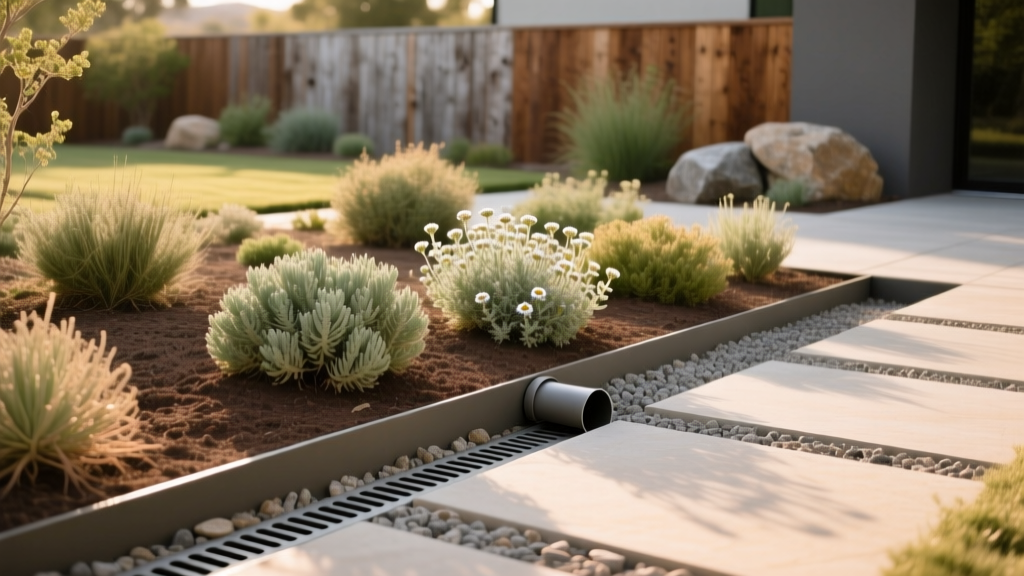
French Drain Installation for Sedum and Yarrow Gardens 2026
Emily WatsonPublished
The Xeriscape Drainage Paradox: Why Drought-Tolerant Plants Need French Drains
As we navigate the erratic climate patterns of 2026, home gardeners are increasingly turning to xeriscaping to conserve water and reduce landscape maintenance. Drought-tolerant powerhouses like Sedum (Stonecrop) and Yarrow (Achillea) are at the forefront of this movement. However, a common misconception is that drought-tolerant gardens do not require water management. In reality, the greatest threat to a sedum and yarrow garden is not a lack of water, but an excess of it. These plants are highly susceptible to root rot and fungal diseases if their roots sit in waterlogged soil for more than a few hours.
According to the Colorado State University Extension, proper soil drainage is the single most critical factor in establishing a successful xeriscape. When heavy spring downpours or sudden summer microbursts hit, surface runoff can quickly pool in low-lying garden beds, drowning your carefully selected drought-tolerant specimens. This is where a strategically installed French drain becomes an essential piece of garden infrastructure, intercepting subsurface and surface water before it can compromise the dry, well-aerated soil that sedum and yarrow demand.
Understanding Surface Runoff and Xeriscape Vulnerability
Surface runoff occurs when precipitation flows over the ground rather than soaking into it. The USGS Water Science School notes that urbanization, compacted soils, and heavy rainfall events significantly increase runoff volumes. In a residential landscape, roof downspouts, paved driveways, and sloped lawns often channel this runoff directly into garden beds. For a traditional moisture-loving garden, this might be a bonus. For a sedum and yarrow bed, it is a death sentence.
Yarrow varieties like 'Moonshine' and 'Strawberry Seduction', alongside popular sedums like 'Autumn Joy' and 'Dragon's Blood', possess shallow, fibrous root systems adapted to quickly absorb light moisture and then dry out. When a French drain is installed along the perimeter or upslope of your xeriscape bed, it acts as a subterranean moat, capturing and redirecting excess water away from the root zones, ensuring the soil remains in the optimal dry-to-moderate moisture range.
Planning Your French Drain Route for 2026
Before breaking ground, you must map the water's natural path. Observe your yard during a heavy rainstorm to identify where water pools and which direction it flows. Your goal is to place the French drain trench upslope from your planned or existing sedum and yarrow bed, or directly along the border where runoff enters the garden space.
- Depth and Width: A standard landscape French drain should be 12 inches wide and 18 to 24 inches deep. This depth ensures it captures subsurface lateral water movement before it rises into the topsoil where your sedum roots reside.
- Slope Calculation: Water needs gravity to move. Your trench must maintain a minimum slope of 1 inch per 8 feet (approximately a 1% grade) toward your designated discharge area, such as a storm drain, dry well, or lower-elevation swale.
- Discharge Point: Never route the drain's output into a neighbor's property or a municipal sewer system without checking local 2026 zoning codes. A dry well or a deeply sloped drainage ditch are the safest bets.
2026 Materials and Cost Breakdown
Material costs have stabilized in 2026, but choosing the right components is vital for longevity. Cheap, non-woven fabrics will clog with silt within two seasons, rendering the drain useless. Below is a breakdown of the premium materials recommended for protecting a high-value xeriscape.
| Material | Specification / Brand Recommendation | Estimated 2026 Cost |
|---|---|---|
| Perforated Pipe | NDS Pro 4-inch Corrugated (Slotted) | $1.25 - $1.75 / linear ft |
| Landscape Fabric | Typar or Sandbaggy Woven Polypropylene (4 oz+) | $0.80 - $1.20 / sq ft |
| Drainage Gravel | 3/4-inch Angular Crushed Granite (Washed) | $65 - $85 / ton |
| Topsoil / Backfill | Coarse builder's sand and native soil mix | $35 - $50 / cubic yard |
| Catch Basin (Optional) | NDS 9x9 Square Catch Basin with grate | $45 - $60 / unit |
Note: Always use angular, crushed gravel rather than smooth river rock or pea gravel. Angular stones lock together, creating stable void spaces for water to flow through without compacting over time.
Step-by-Step Installation Guide
Step 1: Trenching and Grading
Mark your trench line using landscaping spray paint. Using a trenching shovel or a rented mini-excavator for longer runs, dig your 12-inch wide by 18-inch deep trench. Use a line level or a laser level to ensure your 1% downward slope is consistent. If the trench bottom is uneven, water will pool inside the pipe, leading to sediment buildup and eventual blockage.
Step 2: Lining the Trench
Drape your woven polypropylene landscape fabric over the entire trench, allowing at least 6 inches of excess fabric to drape over both sides onto the lawn or garden bed. Do not staple the fabric yet; the weight of the gravel will hold it in place. This fabric barrier is non-negotiable—it prevents fine clay and silt particles from migrating into the gravel and clogging the pipe, which is especially important in gardens where you might be amending the topsoil with organic matter for companion plants.
Step 3: Pipe Placement and Base Gravel
Lay a 2-inch base layer of your 3/4-inch crushed granite at the bottom of the fabric-lined trench. Place the NDS 4-inch perforated pipe on top of this gravel bed, ensuring the perforations (holes) are pointing downward. This counter-intuitive placement allows water to rise from the bottom of the trench into the pipe, preventing sediment from falling directly through the top holes and settling inside. Connect your pipe sections securely with snap couplers.
Step 4: Backfilling and Wrapping
Cover the pipe with another 4 to 6 inches of crushed granite, completely burying it. Gently tamp the gravel down. Now, take the excess landscape fabric from the sides and fold it over the top of the gravel, creating a complete 'gravel burrito.' This ensures no soil from above can wash down into the drainage aggregate. Finally, cover the wrapped gravel with 2 to 3 inches of coarse sand or native topsoil to bring the trench level with the surrounding garden bed.
Aesthetic Integration: Blending the Drain with Xeriscape Design
One of the brilliant aspects of integrating a French drain into a sedum and yarrow garden is the opportunity to use the drain itself as a hardscape feature. Instead of burying the drain completely under topsoil, you can leave the top layer of the trench exposed as a 'dry creek bed' or decorative gravel path.
By topping the French drain trench with decorative crushed granite or red lava rock, you create a visually striking, permeable pathway or border that perfectly complements the architectural forms of Sedum 'Matrona' or the fern-like foliage of Achillea 'Coronation Gold'. This exposed gravel cap allows surface water to instantly drop into the drain system during heavy 2026 storms, providing dual-action drainage (surface and subsurface) while adhering strictly to xeriscape design principles.
Planting Sedum and Yarrow Near the Drainage Zone
Once your French drain is operational and the soil above it has settled, it is time to plant. Because the drain actively removes excess moisture, the soil immediately adjacent to the trench will be the driest, most well-aerated zone in your garden. This is the premium real estate for your most rot-sensitive specimens.
- Sedum 'Angelina' (Sedum rupestre): Plant this low-growing, chartreuse groundcover directly over the buried drain line. Its shallow roots will thrive in the loose, well-draining backfill, and it will help stabilize the topsoil against erosion.
- Yarrow 'Moonshine' (Achillea hybrid): Plant these striking silver-foliaged perennials 12 to 18 inches away from the drain's centerline. They require excellent air circulation and bone-dry winter soil, which the French drain guarantees by lowering the local water table.
- Companion Planting Tip: Intersperse low-growing creeping thyme (Thymus serpyllum) between the yarrow clumps to act as a living mulch, further reducing surface evaporation and suppressing weeds without retaining excess soil moisture.
Long-Term Maintenance for 2026 and Beyond
A French drain protecting a xeriscape requires minimal, yet specific, maintenance. Once a year, preferably in late autumn after the yarrow has been cut back and the sedum has gone dormant, inspect the drain's exit point. Clear away any debris, fallen leaves, or rodent nests that may have blocked the outflow. If you utilized an exposed gravel cap over the drain, use a leaf blower on a low setting to remove organic matter that could decompose and create a mud layer over the gravel, inhibiting surface water infiltration.
Expert Landscaping Tip: Never use mulch or wood chips over or immediately adjacent to your French drain line or your sedum and yarrow beds. Organic mulches retain moisture and decompose into rich, water-holding humus—the exact opposite of the lean, gritty, fast-draining soil environment these drought-tolerant plants require to thrive.
By investing the time to properly install a French drain, you are not just solving a water runoff problem; you are engineering the perfect subterranean environment for your xeriscape. In the increasingly unpredictable weather of 2026, giving your sedum and yarrow the gift of rapid drainage is the ultimate key to a vibrant, resilient, and low-water garden.
