Gardening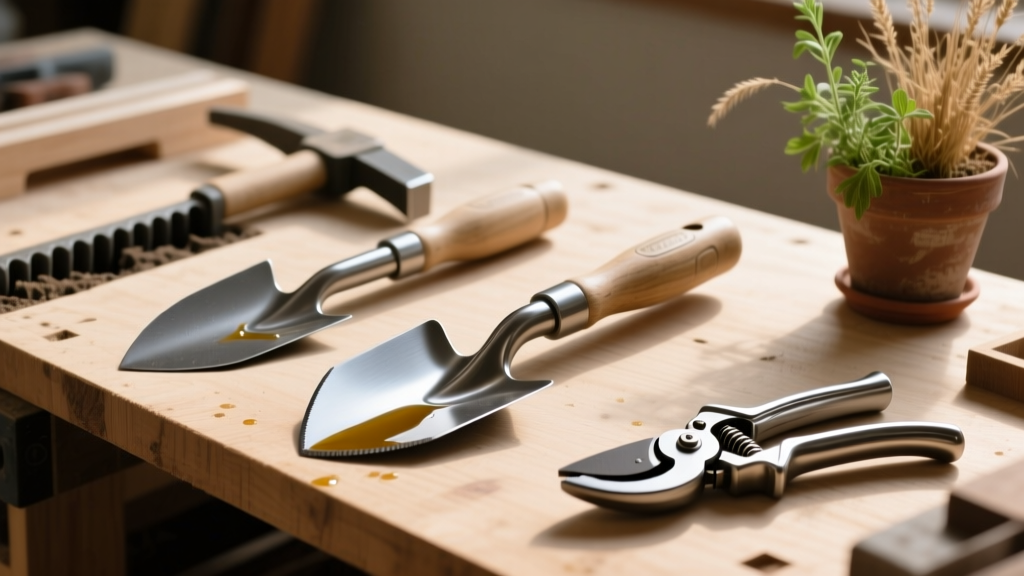
French Drain Tool Care: Sharpening & Oiling Guide 2026
James MillerPublished
Why French Drain Installation Demands Razor-Sharp Tools
Installing a French drain is one of the most effective ways to combat yard flooding, especially as extreme weather patterns continue to shift soil saturation levels in 2026. However, the success of your drainage project hinges entirely on the trench. Digging a narrow, 24-inch deep trench through compacted clay, rocky subsoil, and dense root systems is backbreaking work. If your hand tools are dull, what should be a weekend project will quickly turn into a multi-week ordeal.
According to landscaping industry reports from early 2026, DIY French drain installations have surged by 22% as homeowners look to manage localized flooding without hiring expensive excavation crews. Yet, the most common point of failure and injury in these projects stems from using poorly maintained, blunt digging tools. A dull trenching shovel will bounce off hardpan clay, while a dull mattock will glance off rocks, creating severe safety hazards. Proper sharpening and oiling are not just about tool longevity; they are critical for the efficiency and safety of your French drain installation.
The Core French Drain Hand Toolkit
Before we discuss maintenance, you must ensure you are using the correct tools for a French drain. Standard garden spades are too wide and will collapse the trench walls. The specialized toolkit for this job includes:
- Trenching Shovel (Drain Spade): Features a narrow, pointed blade designed to dig straight down and loosen soil without widening the trench.
- Pick Mattock: Essential for breaking up hardpan clay and prying out rocks that block your drainage pipe path.
- Folding Pruning Saw & Bypass Pruners: Necessary for cleanly cutting through feeder roots that inevitably cross your trench line.
Step-by-Step: Sharpening Trenching Shovels and Drain Spades
A French drain spade must act like a knife slicing through soil. If the edge is rounded or rolled, it will merely compress the dirt rather than penetrate it. To restore the edge, you will need a 10-inch mill bastard file or a modern 2026 diamond-coated sharpening paddle.
- Secure the Tool: Clamp the shovel head in a bench vise with the cutting edge facing up and angled slightly toward you.
- Find the Bevel: Drain spades typically have a 20 to 25-degree bevel on the top side of the blade. Match your file to this existing angle.
- File in One Direction: Push the file away from you using smooth, even strokes. Never drag the file backward, as this dulls the file's teeth. It usually takes 20 to 30 strokes to restore a working edge.
- Remove the Burr: After sharpening, a microscopic wire burr will form on the flat underside of the shovel. Lightly run the file flat against the back of the blade once or twice to snap the burr off.
For comprehensive guidance on maintaining the correct bevel angles for various garden implements, the University of Minnesota Extension provides an excellent, up-to-date visual guide on filing techniques that apply perfectly to heavy-duty trenching tools.
Dressing and Sharpening the Pick Mattock
The pick mattock takes the most abuse during a French drain dig. Striking rocks and buried debris causes the steel edges to roll, chip, or "mushroom" at the top of the head. A mushroomed mattock head is incredibly dangerous, as steel fragments can chip off and cause eye injuries.
Removing the Mushroom
Before sharpening the cutting edges, inspect the top striking face (if you use a mallet to drive it, though most mattocks are swung). If the edges are flared outward, use an angle grinder with a flap disc to carefully grind the perimeter back to a flush, straight edge. Always wear ANSI-rated safety glasses and heavy leather gloves.
Sharpening the Pick and Cutter
The pick end should be sharpened to a blunt point, not a needle tip, which will snap upon hitting a buried rock. The flat cutter end should be sharpened like an axe, with a 30-degree bevel on both sides. Use a grinder for major reshaping, but finish with a hand file to prevent overheating the steel, which ruins the temper and causes the edge to dull instantly upon hitting clay.
Oiling and Rust Prevention for 2026
French drains require digging in damp, often muddy soil. Moisture and soil acids will rapidly corrode high-carbon steel tool heads. In 2026, eco-friendly rust inhibitors and advanced synthetic waxes have largely replaced traditional, toxic chemical rust preventatives.
The Oiling Process:
- Clean Thoroughly: After every trenching session, scrub the tool heads with a stiff wire brush and water to remove acidic clay and mud. Dry immediately with a rag.
- Apply Oil: Rub a light coat of boiled linseed oil or a modern camellia-based tool oil over all exposed steel surfaces. Camellia oil has gained massive popularity in recent years because it is food-safe, non-toxic to garden soil, and doesn't gum up like petroleum-based oils.
- Handle Care: If your trenching shovel or mattock has a traditional hickory or ash wood handle, apply the same boiled linseed oil to the wood to prevent drying and splintering. Note that many 2026 professional-grade mattocks feature ergonomic fiberglass or steel-core handles; these require no oiling, but the steel heads still must be protected.
For deeper insights into preserving wood handles and preventing oxidative damage on carbon steel, This Old House offers a masterclass on long-term garden tool preservation that aligns perfectly with the rigors of drainage excavation.
Maintenance Schedule for a 100-Foot French Drain Project
To maintain peak efficiency, you cannot wait until the end of the project to service your tools. Below is the recommended maintenance cadence for a standard 100-foot residential French drain installation.
| Tool | Sharpening Frequency | Bevel Angle | Cleaning & Oiling Requirement |
|---|---|---|---|
| Trenching Shovel | Every 10 feet of trench | 20-25° (Single side) | Wire brush and oil daily |
| Drain Spade | Every 5 feet of trench | 20° (Single side) | Wipe mud off after every use |
| Pick Mattock | Inspect daily; file as needed | 30° (Double bevel cutter) | Oil head; check handle wedge |
| Folding Pruning Saw | After heavy root encounters | N/A (Replace blade if dull) | Wipe sap with rubbing alcohol |
| Bypass Pruners | Every 20 cuts | Match factory bevel | Oil pivot joint and blade daily |
Caring for Root-Cutting Tools
When trenching for a French drain, you will inevitably intersect tree and shrub roots. To maintain the health of your landscaping and prevent the roots from crushing your perforated PVC or corrugated drainage pipe, you must make clean cuts. Tearing roots with a dull shovel invites rot and disease into the plant's vascular system.
Use a sharp folding pruning saw for roots larger than 1/2 inch in diameter. Sap from cut roots and wet soil will quickly bind the saw's pivot mechanism. After cutting roots, wipe the saw blade with isopropyl alcohol to remove sap, dry it, and apply a drop of lightweight machine oil or PTFE dry lubricant to the pivot joint. For smaller feeder roots, heavy-duty bypass pruners are ideal. Keep the pruner blades sharp using a small diamond hone, and ensure the tension nut is adjusted so the blades pass each other cleanly without pinching the wet wood.
Final Thoughts on Tool Care
A French drain installation is a massive undertaking that requires physical endurance and precision. By treating your hand tools as precision instruments rather than blunt wedges, you drastically reduce the physical toll on your body and ensure a clean, properly graded trench. In 2026, with soil conditions becoming more unpredictable due to shifting seasonal rainfalls, the ability to efficiently cut through hardpan and clay is more important than ever. Take the extra ten minutes at the end of each digging day to file your edges, scrub off the mud, and oil the steel. Your back, your hands, and your newly installed drainage system will thank you.
For further reading on specialized tool metallurgy and advanced sharpening stones, the Oregon State University Extension Service provides excellent literature on matching abrasive materials to high-carbon garden steels, ensuring your tools remain reliable for every future landscaping project.
