Pest Control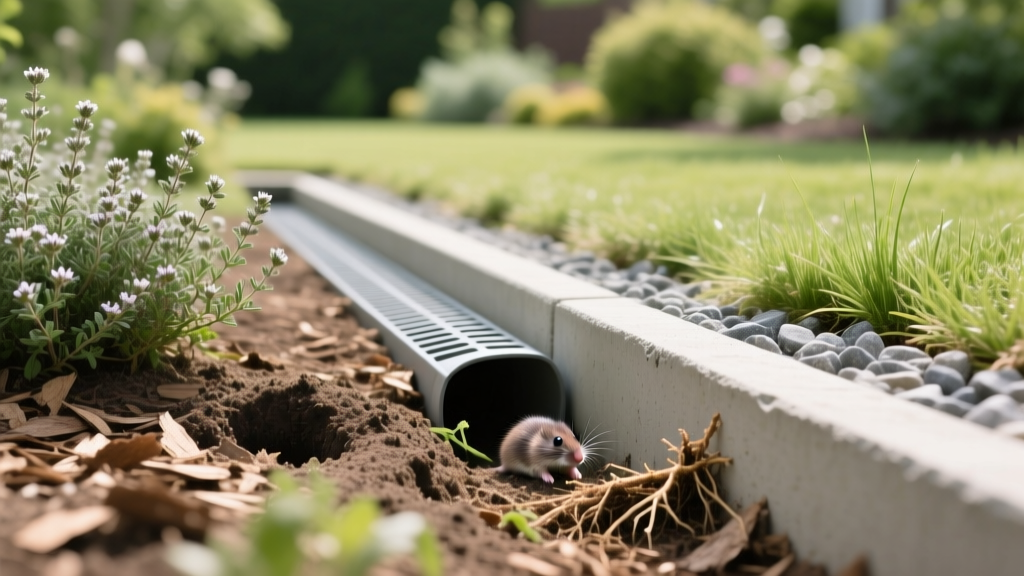
Stop Vole Damage: French Drain Installation Tips 2026
Sarah ChenPublished
The Hidden Link Between French Drains and Vole Infestations
As we navigate the shifting climate patterns of 2026, heavy spring downpours and unpredictable snowmelts have made French drain installations more critical than ever for protecting home foundations and preserving landscape grading. However, while a French drain solves your waterlogging issues, it can inadvertently create a superhighway for one of the most destructive lawn pests: the vole. Voles (often called meadow mice) are small, burrowing rodents that thrive in moist environments with loose soil and abundant root systems. The very materials used to construct a French drain—trenches filled with loose gravel and surrounded by moisture-retaining landscape fabric—mimic the exact habitat conditions voles seek out for nesting and tunneling.
When a drainage trench is backfilled with pea gravel or coarse sand, it provides a predator-proof, easily excavated pathway for voles to travel across your yard. Once established, these pests will branch off from the main drain line to attack the roots of your prized ornamental shrubs, girdle the bark of young trees, and undermine your turfgrass. For landscaping professionals and DIY homeowners alike, integrating pest control into the French drain installation process is no longer optional; it is a necessity for long-term landscape health.
Identifying Vole Damage Around Drainage Trenches
Before you can implement control strategies, you must accurately identify whether voles are exploiting your drainage system. Vole damage is often confused with mole activity, but the signs are distinctly different. According to the University of California Integrated Pest Management Program, voles primarily feed on plant matter, whereas moles feed on soil-dwelling insects. Therefore, vole damage will almost always manifest as destroyed vegetation and compromised root systems near your drain lines.
Look for the following specific indicators of vole activity along your French drain route:
- Surface Runways: Voles create distinct, 1-to-2-inch-wide runways through the grass or mulch. If you see these paths leading directly to or running parallel with your drain trench, voles are using the gravel bed beneath as a primary transit route.
- Trench Sinkholes: As voles hollow out the loose gravel and soil matrix inside the trench to build nesting chambers, the topsoil above the drain can collapse. This results in a series of small, linear sinkholes or soft spots directly over the drain pipe.
- Girdled Roots and Bark: Voles will chew the bark off tree roots and the base of shrubs, often leaving distinct, parallel gnaw marks. If plants adjacent to your drain line are suddenly wilting or dying, inspect the root crown for vole girdling.
- Clogged Discharge Points: Voles love the sheltered, dry environment inside a corrugated drain pipe during the winter. Finding nesting material (grass, leaves, and shredded fabric) at the daylight exit or pop-up emitter is a sure sign of an internal infestation.
Mole vs. Vole: A Quick Diagnostic
If you see raised, volcano-shaped mounds of dirt, you are dealing with moles, which require different trapping strategies. If you see clean, open holes about the size of a golf ball with no dirt mounds, accompanied by surface runways and chewed plant roots, you are dealing with voles.
Habitat Modification During French Drain Installation
The most effective, long-term pest control strategy is habitat modification. By altering the physical environment during the installation phase, you can make the French drain inhospitable to voles without relying on toxic baits or constant trapping. The Internet Center for Wildlife Damage Management emphasizes that exclusion and habitat alteration are the cornerstones of sustainable integrated pest management (IPM).
Strategic Gravel Selection
The type of backfill you use dictates how easily voles can tunnel. Pea gravel is smooth and round, allowing voles to push it aside effortlessly. Sand is even worse, as it packs into solid, cave-like structures. Instead, you must use sharp, angular aggregate. In 2026, the industry standard for vole-resistant drainage backfill is #57 washed crushed stone (typically 3/4-inch in diameter). The sharp, jagged edges of crushed stone deter burrowing because it is uncomfortable for the rodents to navigate and difficult to displace. Furthermore, #57 stone offers superior hydraulic conductivity, ensuring your drain performs optimally while repelling pests.
Trench Lining and Hardware Cloth Barriers
Standard non-woven geotextile landscape fabric is essential for preventing soil from clogging your gravel bed, but it will not stop a determined vole. Their sharp incisors can easily chew through standard fabrics. For high-risk areas (such as properties bordering wooded lots or open fields), upgrade your trench lining protocol:
- Dig the trench to the required depth and width.
- Line the bottom and sides of the trench with 1/4-inch galvanized steel hardware cloth. Ensure the mesh extends at least 6 inches above the final grade level on both sides.
- Overlap the hardware cloth seams by at least 4 inches and secure them with landscape staples.
- Line the inside of the hardware cloth with your heavy-duty geotextile fabric to prevent soil infiltration.
- Install the perforated pipe, cover with #57 crushed stone, and fold the excess fabric and mesh over the top before backfilling with topsoil.
Surface Grading and Vegetation Buffers
Voles rely on dense vegetation to hide from aerial predators like hawks and owls. Never plant dense groundcovers (such as ivy, pachysandra, or creeping juniper) directly over or immediately adjacent to the French drain trench. Maintain a 12-to-18-inch vegetation-free buffer zone along the drain line, covered only by sparse turfgrass or a thin layer of inorganic mulch. This exposes the voles to predators and discourages them from establishing surface runways over the trench.
2026 Vole-Proofing Materials: Cost & Comparison Table
Budgeting for a pest-resistant French drain requires understanding current material costs. Below is a comparison of common backfill and barrier materials, their effectiveness against voles, and average 2026 pricing.
| Material | Vole Tunneling Ease | Drainage Rate | 2026 Avg. Cost | IPM Recommendation |
|---|---|---|---|---|
| Pea Gravel | High (Very Easy) | Moderate | $45 - $65 / ton | Avoid: Provides ideal burrowing matrix. |
| #57 Washed Crushed Stone | Low (Difficult) | High | $60 - $85 / ton | Highly Recommended: Sharp edges deter pests. |
| Coarse Mason Sand | Very High (Extremely Easy) | Low to Moderate | $30 - $50 / ton | Never Use: Packs solid, creates perfect vole caves. |
| 1/4-inch Galvanized Hardware Cloth | Impenetrable | N/A (Liner) | $1.50 - $2.20 / linear ft | Recommended: Essential for high-risk zones. |
| Standard Landscape Fabric | Chewable | High | $0.40 - $0.80 / sq ft | Use with Mesh: Good for silt control, poor for pests. |
Protecting the Discharge Point
The daylight exit or pop-up emitter is the most vulnerable point of your entire drainage system. It provides a dark, dry, and protected tunnel leading directly into the heart of your yard. In 2026, several manufacturers offer specialized stainless steel vole guards designed to fit over standard 4-inch and 6-inch corrugated pipe exits. These guards feature a hinged flap that allows water to push out during heavy rain but snaps shut when the water recedes, physically blocking rodents from entering the pipe. If a commercial guard is unavailable, fabricate a custom barrier using 1/4-inch hardware cloth, securing it over the pipe opening with a heavy-duty stainless steel hose clamp. Ensure the mesh extends 6 inches into the surrounding soil and is pinned down with landscape staples to prevent voles from digging underneath it.
Post-Installation Monitoring and IPM Strategies
Even with meticulous habitat modification during installation, ongoing monitoring is a critical component of any IPM strategy. Vole populations can explode rapidly, with a single female capable of producing multiple litters per year. If you notice fresh runways or sinkholes developing near your drain line post-installation, immediate action is required.
- Strategic Trapping: Place standard wooden snap traps baited with a mixture of peanut butter and oatmeal directly inside the surface runways, perpendicular to the path. Cover the trap with a small plastic nursery pot or a specialized trap cover to protect non-target wildlife, pets, and birds from accidental injury.
- Botanical Repellents: For organic lawn care enthusiasts, castor oil-based repellents can be applied to the soil surface above the drain trench. These repellents do not kill the voles but create an unpleasant taste and odor in the root zone, encouraging them to relocate. Note that repellents must be reapplied after heavy rainfall or irrigation.
- Encourage Natural Predators: Install raptor perches or owl boxes near the periphery of your property. Barn owls and red-tailed hawks are highly efficient vole hunters and can significantly reduce local populations without the use of chemicals.
By viewing your French drain not just as a water management tool, but as a potential ecological corridor, you can proactively design pest resistance into your landscape. Implementing these habitat modification techniques during your 2026 installations will save thousands of dollars in future plant replacement, pipe repairs, and extermination fees, ensuring your yard remains both dry and thriving for years to come.