
Landscaping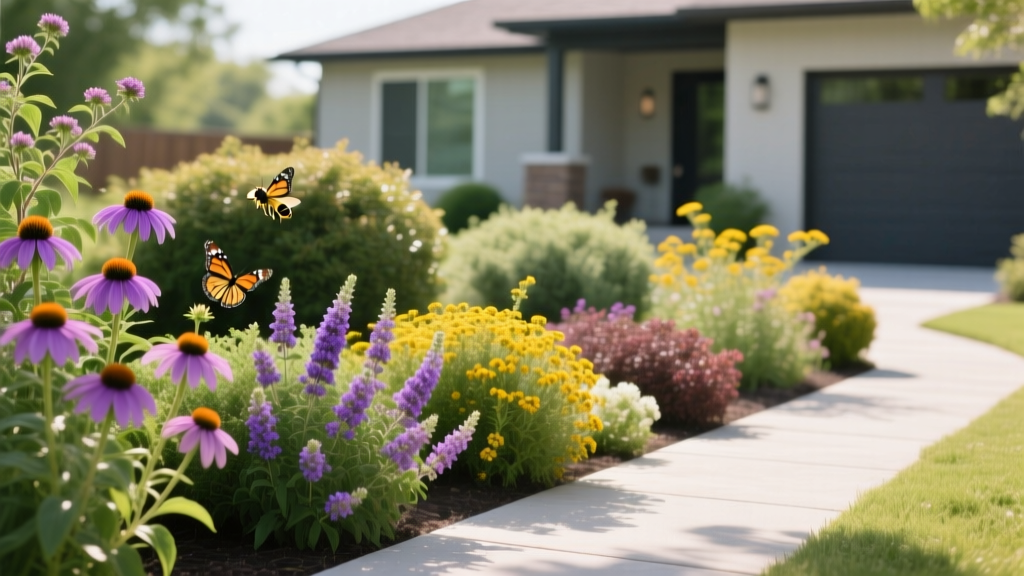
2026 Front Yard Shrub Border Redesign For Pollinators
Sarah ChenPublished
The 2026 Paradigm Shift in Front Yard Landscaping
Curb appeal is undergoing a massive transformation in 2026. The traditional foundation planting of tightly sheared yews, barren boxwoods, and sterile turfgrass is officially obsolete. Today, homeowners and landscape architects are prioritizing front yard makeovers that blend striking architectural design with vital ecological function. A low-maintenance shrub border redesign is no longer just about impressing the neighbors or reducing your weekend chore list; it is about creating a vibrant, living ecosystem right at the edge of your property. By rethinking your front yard shrub border through the lens of pollinator-friendly garden design, you can dramatically reduce water usage, eliminate the need for chemical fertilizers, and provide critical habitat for declining bee, butterfly, and hummingbird populations.
According to The Xerces Society for Invertebrate Conservation, suburban and urban habitats are increasingly critical for sustaining pollinator corridors in the face of widespread agricultural and wildland habitat loss. Your front yard is uniquely positioned to serve as a biological highway. In this comprehensive guide, we will explore exactly how to execute a front yard makeover focused on a low-maintenance, highly attractive pollinator shrub border that thrives in the modern 2026 landscape.
Core Principles of a Pollinator-Friendly Shrub Border
Before ripping out the old foundation plantings, it is essential to understand the design principles that make a shrub border truly beneficial to pollinators while remaining easy to care for. A successful 2026 eco-border relies on three main pillars:
- Continuous Bloom Succession: Pollinators need a steady food source from early spring through late fall. Your shrub border must be designed so that as one species finishes blooming, another begins. This eliminates the 'famine gaps' that often occur in traditional landscapes.
- Native Plant Prioritization: Native shrubs have co-evolved with local pollinators, offering the exact nectar, pollen, and larval host materials they need. They are also adapted to your local rainfall patterns, drastically reducing irrigation requirements once established.
- Structural Diversity and Overwintering Habitat: A pollinator-friendly border is not just about flowers. It requires dense branching for bird nesting, hollow stems for native bee overwintering, and leaf litter for butterfly pupae. Embracing a slightly 'wilder' aesthetic in the winter months is a hallmark of modern sustainable landscaping.
Top Low-Maintenance Shrubs for Pollinator Borders
Selecting the right plants is the most crucial step in your front yard makeover. The goal is to choose shrubs that provide maximum ecological value with minimal pruning, watering, or pest management. Below is a curated comparison chart of top-performing, low-maintenance shrubs ideal for a 2026 pollinator border redesign.
| Botanical Name | Common Name | Bloom Season | Target Pollinators | Mature Size |
|---|---|---|---|---|
| Ceanothus thyrsiflorus 'Skylark' | California Lilac | Mid-Spring | Native bees, honeybees, butterflies | 4-5 ft tall, 6-8 ft wide |
| Itea virginica 'Little Henry' | Virginia Sweetspire | Early Summer | Bees, butterflies, hummingbirds | 2-3 ft tall, 2-3 ft wide |
| Spiraea tomentosa | Steeplebush | Mid-to-Late Summer | Native bees, beetles, butterflies | 3-5 ft tall, 3-5 ft wide |
| Aronia melanocarpa 'Low Scape' | Black Chokeberry | Spring (Fall berries) | Early pollinators, winter birds | 1-2 ft tall, 2-3 ft wide |
| Hypericum prolificum | Shrubby St. John's Wort | Mid-Summer | Specialist bees, syrphid flies | 2-4 ft tall, 2-4 ft wide |
When designing your layout, group these shrubs in odd-numbered clusters (threes or fives) rather than planting them in a rigid, straight line. This mimics natural growth patterns and makes it easier for foraging pollinators to locate large swaths of nectar efficiently.
Step-by-Step Front Yard Makeover Execution
Transforming your yard requires careful preparation. Follow these actionable steps to ensure your new pollinator shrub border establishes quickly and looks intentional from day one.
Step 1: Site Preparation and Smothering
Begin by removing existing turfgrass or outdated, non-native shrubs. Instead of using harsh chemical herbicides, utilize the 'sheet mulching' technique. Lay down overlapping layers of plain, uncoated cardboard directly over the grass, wet it thoroughly, and let it sit for four to six weeks. This naturally suppresses weeds and grass while inviting beneficial soil microbes and earthworms to break down the organic matter, enriching your soil biology for the new plantings.
Step 2: Installing Hardscape Edging
To maintain a neat, intentional look that satisfies neighborhood HOAs while keeping mulch out of the street, install rigid edging. In 2026, Corten steel landscape edging is highly popular for its modern, rusted aesthetic and durability. Alternatively, recycled composite edging offers a sustainable, rot-proof boundary. Install the edging at least 4 inches deep to prevent aggressive grass rhizomes from invading your new pollinator sanctuary.
Step 3: Soil Amendment and Planting
Avoid the temptation to heavily amend the entire planting bed with synthetic fertilizers or excessive bagged topsoil. Native pollinator shrubs generally prefer the natural mineral soil of your region. Instead, dig holes twice as wide as the root ball and exactly as deep. Backfill with the native soil mixed with a modest amount of organic compost. Apply a mycorrhizal fungi inoculant directly to the roots during planting to accelerate root establishment and drought tolerance. Space your shrubs according to their mature width to ensure adequate air circulation, which naturally prevents fungal diseases like powdery mildew.
Step 4: The Right Mulch Strategy
Ditch the dyed hardwood mulch, which can harbor harmful fungi and repels ground-nesting native bees. The EPA WaterSense Landscaping Guidelines recommend using natural, undyed organic mulches to retain soil moisture and regulate temperature. For a pollinator border, use a 2-to-3-inch layer of coarse arborist wood chips, making sure to leave a few small, sunny patches of bare, undisturbed soil. Approximately 70% of native bee species are ground-nesters and require direct access to bare soil to lay their eggs.
Smart Irrigation and Water Conservation
Even drought-tolerant native shrubs require consistent moisture during their first two growing seasons to develop deep root systems. However, overhead spraying is inefficient and promotes foliar diseases. Upgrade your front yard irrigation to a smart drip system. Lay out 1/2-inch drip lines with inline emitters spaced 12 inches apart, snaking them through the shrub root zones.
Connect this system to a modern smart controller, such as the 2026 models of weather-predictive irrigation timers that sync with local hyper-local meteorological data. These devices automatically skip watering cycles when rain is forecasted and adjust flow rates based on seasonal evapotranspiration rates. This ensures your shrubs receive exactly what they need, conserving thousands of gallons of water annually while keeping your pollinator oasis thriving.
The Low-Maintenance Eco-Routine
The true beauty of a pollinator-friendly shrub border is how little it demands of you once established. The National Wildlife Federation's Garden for Wildlife program heavily advocates for redefining what 'maintenance' means in the modern garden.
- Delayed Spring Cleanup: Resist the urge to prune and clean up your border in early March. Wait until consistent daytime temperatures reach at least 50°F (10°C) for a full week. This allows overwintering beneficial insects, ladybugs, and solitary bees to emerge naturally from hollow stems and leaf litter.
- Chop and Drop Pruning: When you do prune your shrubs to maintain their shape or remove deadwood, use the 'chop and drop' method. Cut branches into small pieces and leave them hidden beneath the shrub canopy to decompose. This returns vital nutrients to the soil and creates micro-habitats for detritivores, which in turn feed local bird populations.
- Eliminate Chemical Sprays: A diverse shrub border will naturally attract predatory insects like lacewings and parasitic wasps that manage aphid and caterpillar populations. Tolerate minor leaf damage; it is a sign of a functioning, living ecosystem.
Conclusion
Redesigning your front yard shrub border in 2026 is a powerful way to elevate your home's curb appeal while making a tangible difference for local ecosystems. By selecting low-maintenance, native shrubs, implementing smart water conservation techniques, and embracing ecological maintenance routines, you can create a stunning, vibrant landscape that supports pollinators and saves you time and money for years to come.

