
Landscaping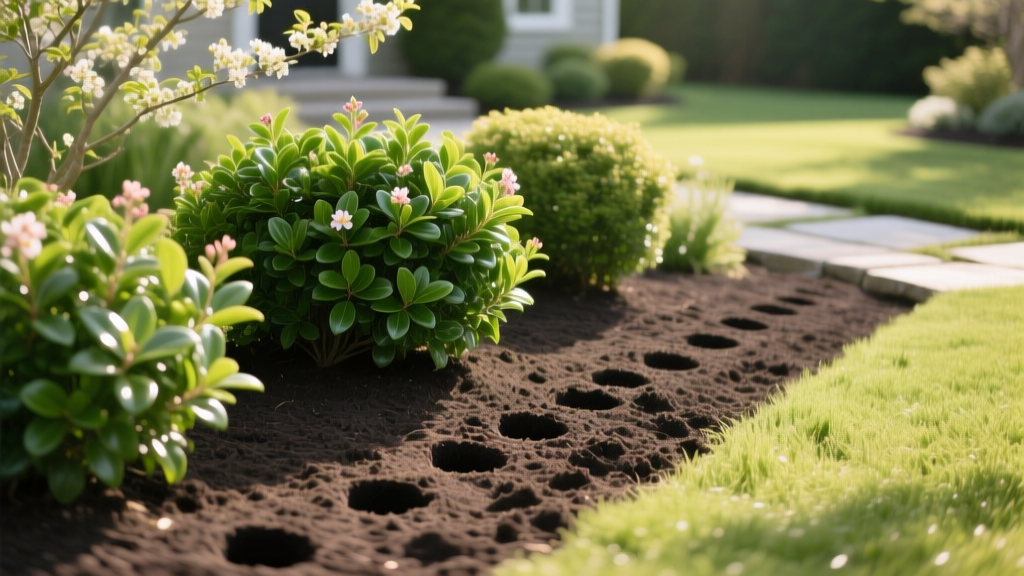
2026 Front Yard Makeover: Core Aeration for Shrub Borders
Emily WatsonPublished
The 2026 Landscaping Shift: From Turf to Shrub Borders
As we move through 2026, the traditional American front yard is undergoing a radical transformation. Homeowners are increasingly abandoning high-input, water-thirsty turfgrass monocultures in favor of sustainable, low-maintenance shrub borders. This shift is driven by a desire to reduce weekend chore time, lower water bills, and support local ecosystems with structural, drought-tolerant plantings. However, the success of this front yard makeover does not rely solely on selecting the right plants. The true secret to a thriving, long-lasting shrub border lies beneath the surface: proper soil preparation through core aeration.
Why Core Aeration is the Secret to Shrub Border Success
When most homeowners hear the term 'core aeration,' they immediately picture a lawn care treatment involving a machine pulling small plugs of soil from a grassy yard. While it is a staple of turf management, core aeration is equally critical when redesigning garden beds and shrub borders. Simply digging a single hole in compacted clay and dropping a nursery shrub into it is a recipe for failure. This common mistake creates a 'bathtub effect,' where the loose backfill soil holds water, while the surrounding compacted native soil acts as an impenetrable wall. The shrub's roots will circle the hole, eventually girdling the plant and leading to stunted growth or premature death.
By core aerating the entire footprint of your planned shrub border before planting, you relieve deep soil compaction, improve water infiltration, and create a welcoming environment for new roots to expand horizontally and vertically. This foundational step ensures that your low-maintenance shrubs actually remain low-maintenance, as they will be better equipped to forage for water and nutrients during the peak heat of summer.
The Science of Soil Compaction in Front Yards
Front yards are uniquely susceptible to severe soil compaction. During the initial construction of a home, heavy machinery, material storage, and foot traffic compress the soil profile, often destroying the natural soil structure and leaving behind a dense, poorly drained layer of subsoil mixed with construction debris. According to the University of Minnesota Extension, soil compaction drastically reduces pore space, limiting the oxygen and water available to plant roots. In heavily compacted soils, bulk density increases to a point where root penetration is physically restricted. Core aeration physically removes cylindrical plugs of soil, typically two to three inches deep, which immediately alleviates this pressure and introduces vital oxygen to the soil microbiome.
Step-by-Step: Aerating Your Future Shrub Bed
To properly integrate core aeration into your 2026 front yard makeover, follow these actionable steps:
- Step 1: Utility Check and Marking - Before any soil disruption, call your local utility locating service (such as 811 in the United States) to mark underground lines. Outline your new shrub border using a garden hose or landscaping paint to define the aeration zone.
- Step 2: Moisture Preparation - Core aerators require slightly moist soil to pull clean, intact plugs. Water the designated bed area deeply two days before you plan to aerate. If the soil is too dry, the tines will not penetrate; if it is too wet, the soil will smear and clog the machine.
- Step 3: Equipment Selection - For large front yard borders exceeding 200 square feet, rent a walk-behind core aerator from a local equipment rental center. For smaller, narrow beds along a walkway, a manual step-aerator or a heavy-duty broadfork will suffice.
- Step 4: The Aeration Pass - Run the aerator over the entire bed area in a grid pattern, making one pass horizontally and one vertically. Aim for a spacing of about three to four inches between plug holes. Leave the extracted soil plugs on the surface; they will break down naturally over the next few weeks and return valuable microbes to the topsoil.
- Step 5: Topdressing with Compost - Immediately after aerating, spread a half-inch layer of high-quality, screened organic compost over the bed. Use a stiff rake to work the compost down into the aeration holes. This amends the soil structure and provides a slow-release nutrient base for your new shrubs.
Top Low-Maintenance Shrubs for 2026 Front Yard Borders
Once your soil is properly aerated and amended, it is time to select your plant material. The 2026 landscaping market favors native and adapted shrubs that offer multi-season interest, disease resistance, and minimal pruning requirements. Below is a comparison of top-performing shrubs ideal for a front yard border redesign:
| Shrub Variety | Botanical Name | Mature Size | Water Needs | 2026 Avg. Price (3-Gal) |
|---|---|---|---|---|
| Inkberry Holly | Ilex glabra | 5-8 ft tall/wide | Low | $45 - $55 |
| Blue Star Juniper | Juniperus squamata | 2-3 ft tall, 3-4 ft wide | Very Low | $35 - $45 |
| Dwarf Fothergilla | Fothergilla gardenii | 3-4 ft tall/wide | Medium-Low | $40 - $50 |
| Arctic Fire Dogwood | Cornus sericea | 4-5 ft tall/wide | Medium | $38 - $48 |
These selections provide a mix of evergreen structure, vibrant winter stem color, and stunning fall foliage, ensuring your front yard remains visually engaging year-round without the need for weekly maintenance.
Post-Aeration Planting and Sustainable Mulching
With the soil aerated and top-dressed, you are ready to plant. The Penn State Extension emphasizes the importance of planting depth and proper mulching techniques to ensure shrub longevity. When digging the individual planting holes within your aerated bed, ensure the hole is twice as wide as the root ball but no deeper. The root flare—the point where the trunk widens at the base—must sit slightly above the surrounding soil grade to prevent crown rot.
After planting, apply a two-to-three-inch layer of natural hardwood mulch over the aerated bed. Mulch serves to retain soil moisture, suppress weeds, and regulate soil temperature. However, it is critical to keep the mulch at least three inches away from the base of the shrub stems. The outdated practice of creating 'mulch volcanoes' around plant bases traps moisture against the bark, inviting fungal pathogens and rodent damage. By combining deep core aeration with proper mulching, you create a resilient, self-sustaining soil ecosystem.
Environmental Benefits: Runoff and Drainage
Beyond the aesthetic and practical benefits to your specific yard, integrating core aeration into your landscape redesign has broader environmental impacts. Compacted soils are a primary driver of urban stormwater runoff, which carries pollutants, excess fertilizers, and sediment into local waterways. The Environmental Protection Agency (EPA) highlights that green infrastructure practices, including soil decompaction and organic amendment, significantly increase the soil's capacity to absorb and filter rainwater. By transforming your compacted front yard into an aerated, deeply rooted shrub border, you are effectively turning your landscape into a natural sponge, reducing your contribution to municipal stormwater overload and protecting local watersheds.
Conclusion
A successful 2026 front yard makeover requires looking past the surface. While the vibrant foliage of low-maintenance shrubs provides the immediate curb appeal, it is the unseen work of core aeration that guarantees long-term success. By investing the time to relieve soil compaction, amend the earth with compost, and plant correctly, you establish a robust, drought-tolerant landscape that will thrive for decades with minimal intervention.

