
Landscaping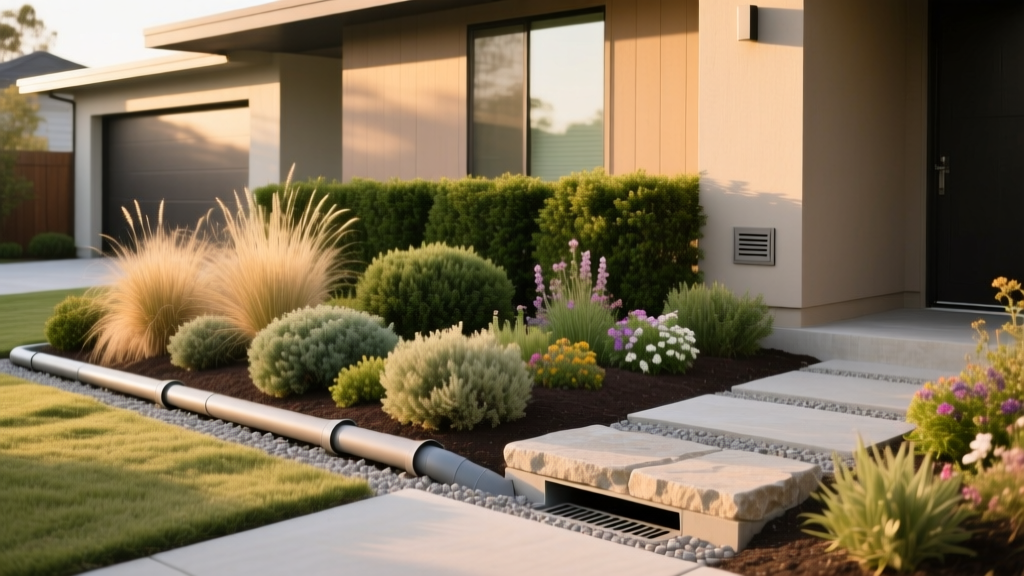
2026 Front Yard Shrub Border Redesign With Drainage Pipes
Mike RodriguezPublished
The 2026 Front Yard Makeover: Combining Aesthetics with Hydrology
As we navigate the landscaping trends of 2026, homeowners are increasingly prioritizing front yard makeovers that balance striking curb appeal with ecological resilience. One of the most popular design choices this year is the low-maintenance shrub border. These structured, evergreen plantings provide year-round visual interest, define property lines, and drastically reduce the need for weekly mowing and edging. However, the success of any front yard shrub border redesign hinges on a hidden, often overlooked factor: subsurface hydrology. Without proper water management, even the most drought-tolerant, low-maintenance shrubs will succumb to root rot and soil compaction.
This is where the strategic integration of a landscape drainage pipe becomes the backbone of your front yard makeover. By rerouting excess surface water and managing the water table beneath your planting beds, you create an optimal environment for your shrubs to thrive. According to the Environmental Protection Agency's guidelines on residential runoff management, integrating subsurface drainage with sustainable landscaping not only protects your plant investments but also reduces the burden on municipal stormwater systems. In this comprehensive guide, we will explore how to seamlessly incorporate modern drainage pipes into your 2026 shrub border redesign.
Why Shrub Borders Fail: The Waterlogging Problem
Many homeowners invest thousands of dollars in premium shrub cultivars, only to watch them yellow and die within a single season. The culprit is rarely the plant itself, but rather the soil environment. Front yards, particularly those near sidewalks, driveways, and home foundations, often suffer from severe soil compaction and altered grading. When heavy spring rains hit, water pools in the shrub beds, suffocating the root systems.
Low-maintenance shrubs like junipers, hollies, and boxwoods require well-draining soil. When a landscape drainage pipe is absent, the soil pores fill entirely with water, displacing vital oxygen. Anaerobic bacteria thrive in these waterlogged conditions, leading to rapid root decay. By installing a perforated drainage pipe wrapped in geotextile fabric beneath the shrub border, you create an artificial aquifer that actively pulls excess moisture away from the root zone, ensuring the soil remains aerated and healthy.
Choosing the Right Landscape Drainage Pipe for Shrub Beds
The drainage pipe market has evolved significantly by 2026, offering lightweight, highly efficient alternatives to traditional gravel-heavy systems. When redesigning your front yard shrub border, selecting the correct pipe is crucial for maintaining soil integrity and minimizing excavation disruption. Below is a comparison of the top landscape drainage pipe options available this year.
| Pipe Type | Material & Design | Best Use Case | 2026 Avg. Cost (per ft.) |
|---|---|---|---|
| NDS EZ-Flow | Perforated pipe encased in polystyrene aggregate | Shrub beds, narrow trenches, lightweight backfill | $2.50 - $3.20 |
| Corrugated Slotted HDPE | Flexible corrugated plastic with slotted perforations | Long perimeter runs, heavy water volume areas | $1.10 - $1.60 |
| Rigid PVC Perforated | Schedule 40 PVC with drilled holes | High-traffic areas, deep foundation drainage | $2.80 - $3.50 |
For a front yard shrub border redesign, the NDS EZ-Flow system is highly recommended in 2026. Traditional corrugated pipes require a massive trench filled with heavy, compacting gravel, which can damage the delicate surface roots of existing landscaping. EZ-Flow replaces the gravel with a lightweight, synthetic polystyrene aggregate that will not compact over time, making it incredibly easy to install directly beneath or adjacent to your new shrub plantings. For more technical specifications on French drain alternatives, the NDS Pro drainage systems resource center provides excellent structural data.
Step-by-Step: Trenching and Pipe Installation in the Front Yard
Integrating a drainage pipe into your shrub border requires careful planning and precise execution. Follow these actionable steps to ensure your system functions flawlessly for decades.
1. Mapping the Route and Utility Check
Before breaking ground, map out the natural flow of water in your front yard. Your drainage pipe must start at the lowest, most waterlogged point of the shrub bed and terminate at a safe discharge point, such as a street curb, a dry well, or a municipal storm drain. Crucial Step: Always call your local utility locating service (like 811 in the US) at least three days before digging to mark underground gas, water, and fiber-optic lines.
2. Excavating the Trench
Dig a trench approximately 12 inches wide and 14 to 18 inches deep, running parallel to your planned shrub border but set back at least 12 inches from the home's foundation. The most critical aspect of trenching is the slope. A drainage pipe relies on gravity; therefore, you must maintain a minimum slope of 1/8 inch per linear foot. Use a laser level or a string line to verify the gradient before proceeding.
3. Laying the Geotextile Fabric and Pipe
Line the trench with a high-quality, non-woven geotextile landscape fabric. This fabric is the unsung hero of your drainage system, preventing fine clay and silt particles from migrating into the pipe and causing clogs. Lay your chosen landscape drainage pipe (such as the EZ-Flow) in the center of the trench, ensuring the perforations are facing downward or to the sides, depending on the manufacturer's 2026 specifications.
4. Backfilling and Soil Amendment
Fold the excess geotextile fabric over the top of the pipe to create a complete 'burrito' wrap. Backfill the remaining trench space with a mix of native soil and coarse compost. This amended soil will serve as the planting medium for your new shrub border, providing excellent percolation rates that feed water directly down to the drainage pipe.
Selecting Low-Maintenance Shrubs for Drainage-Integrated Borders
With your landscape drainage pipe securely installed, it is time to select the plantings for your 2026 front yard makeover. The goal is to choose shrubs that are drought-tolerant once established, resistant to local pests, and structurally neat, minimizing the need for frequent pruning. Here are three top-tier shrubs that thrive in well-drained, pipe-protected soil environments:
- Dwarf Yaupon Holly (Ilex vomitoria 'Nana'): A powerhouse for southern and coastal landscapes. This evergreen shrub grows densely to about 3-4 feet tall, requiring almost no shearing. Its fine-textured leaves and high drought tolerance make it perfect for planting above a drainage system that keeps its roots from sitting in standing water.
- Blue Star Juniper (Juniperus squamata 'Blue Star'): Ideal for cooler or temperate climates, this low-growing, mounding shrub features striking silver-blue foliage. Junipers are notoriously susceptible to root rot in heavy clay soils; integrating a drainage pipe is the ultimate insurance policy for keeping Blue Star Junipers vibrant and healthy year-round.
- Dwarf Walter's Viburnum (Viburnum obovatum 'Densa'): A native favorite that offers glossy green leaves and clusters of white spring flowers. It adapts beautifully to the consistent moisture levels provided by a well-designed subsurface drainage network, requiring only an annual light trim to maintain its formal border shape.
When planting, ensure the root flare of each shrub sits slightly above the surrounding grade. This encourages surface water to shed away from the main stem and percolate down through the soil profile into the landscape drainage pipe below.
Maintenance and Long-Term Success in 2026
A properly installed drainage pipe beneath a shrub border is virtually maintenance-free, but a few proactive steps will guarantee its longevity. First, ensure that all downspouts from your roof are tied into solid (non-perforated) PVC pipes that bypass the shrub bed entirely, discharging directly into the main drainage line or street. Overloading the shrub bed's perforated pipe with thousands of gallons of roof runoff during a storm will overwhelm the system and wash out your mulch.
Furthermore, the Clemson University Home and Garden Information Center recommends inspecting drainage exits annually. In late autumn, clear away any debris, leaves, or sediment that may have accumulated at the discharge grate. If you notice slow drainage after several years, a professional hydro-jetting service can flush the landscape drainage pipe without disturbing your beautiful, low-maintenance shrub border above.
Finally, embrace 2026's smart landscaping technology. Consider burying wireless soil moisture sensors within the shrub border. These devices connect to your home's Wi-Fi network and alert your smartphone if the soil remains saturated for too long, indicating a potential blockage in your drainage pipe before your shrubs suffer any damage. By combining modern subsurface drainage infrastructure with resilient plant selections and smart monitoring, your front yard makeover will remain a stunning, low-maintenance asset to your home for decades to come.

