
Landscaping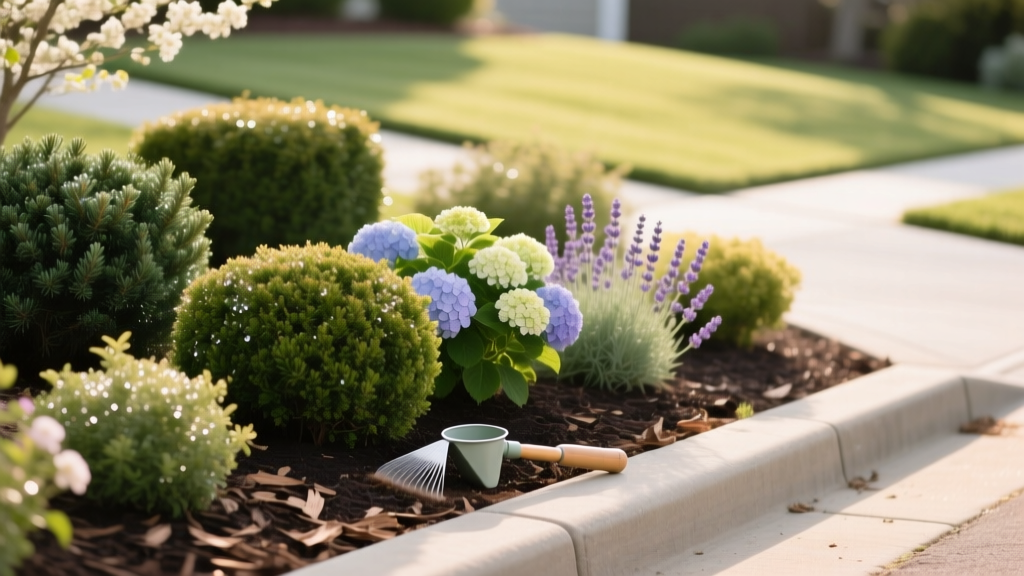
2026 Low-Maintenance Shrub Border Fertilizer Schedule
Anna KowalskiPublished
Redesigning Your Front Yard: The Foundation of Low Maintenance
As we navigate the landscaping trends of 2026, the front yard makeover has decisively shifted away from high-maintenance, water-thirsty turfgrass toward sustainable, low-maintenance shrub borders. Homeowners are replacing traditional lawns with structured, drought-tolerant plantings featuring species like Dwarf Nandina, Juniper, Boxwood, and Loropetalum. This redesign approach drastically reduces mowing, edging, and watering requirements. However, the true secret to a genuinely 'low-maintenance' landscape lies beneath the soil surface. Getting your fertilizer types and schedules correct from day one is what separates a thriving, vibrant shrub border from a struggling, weed-prone garden bed.
When you invest in a front yard shrub border redesign, you are making a long-term investment in your property's curb appeal. To protect that investment without spending your weekends constantly feeding the plants, you must adopt a strategic, science-backed fertilization regimen. In 2026, the focus is on soil health, slow-release technologies, and targeted seasonal applications that promote deep root systems and natural disease resistance.
Why Fertilizer Selection Dictates Shrub Border Maintenance
Many homeowners mistakenly believe that 'low maintenance' means 'no maintenance.' In reality, it means front-loading your effort and utilizing smart products that do the heavy lifting for you. Traditional fast-release synthetic fertilizers provide a quick burst of nitrogen, resulting in rapid, lush green growth. While this might look great for a few weeks, it forces the plant to expend energy on top-growth rather than root development. Furthermore, fast-release formulas are highly susceptible to leaching, meaning you will need to reapply them every four to six weeks.
By contrast, modern slow-release and organic fertilizers feed the soil ecosystem and the shrub simultaneously. They provide a steady, metered drip of nutrients that aligns with the plant's natural uptake rate. This prevents fertilizer burn, reduces the risk of nutrient runoff into local waterways, and cuts your annual application schedule down to just two or three times per year. According to guidelines published by Penn State Extension, utilizing slow-release nitrogen sources is the most effective way to maintain landscape shrubs with minimal environmental impact and labor.
Top Fertilizer Types for 2026 Shrub Borders
1. Polymer-Coated Slow-Release Synthetics
Products like Scotts Osmocote Plus (15-9-12) or Polyon remain industry leaders in 2026 for establishing new shrub borders. These granular fertilizers are coated in a semi-permeable resin that releases nutrients based on soil temperature and moisture. When the soil is warm and the shrub is actively growing, the coating releases more nutrients. When it is cold and the plant is dormant, the release slows to a halt. A single spring application can feed a shrub border for up to six months, making it the ultimate low-maintenance solution.
2. Organic Granular Blends
For gardeners prioritizing soil biology, organic options like Espoma Holly-tone (4-3-4) or Plant-tone (5-3-3) are exceptional choices. These fertilizers are derived from natural ingredients like feather meal, bone meal, and poultry manure. They not only provide essential N-P-K (Nitrogen, Phosphorus, Potassium) but also introduce beneficial microbes to the soil. Organic fertilizers break down slowly, improving soil structure and water retention over time. They are particularly vital for acid-loving shrubs often used in front yard borders, such as Azaleas, Rhododendrons, and Hollies.
3. Mycorrhizal Inoculants and Bio-Stimulants
The biggest advancement in 2026 landscape installation is the routine use of mycorrhizal fungi inoculants during planting. While not a traditional N-P-K fertilizer, these bio-stimulants form a symbiotic relationship with shrub roots, effectively extending the root system's reach by up to 50 times. This allows the shrub to access water and nutrients that would otherwise be out of reach, drastically reducing the need for supplemental fertilization and irrigation in the first critical year of a redesign.
Comparative Analysis: Fertilizer Options for Shrub Borders
| Fertilizer Type | Release Rate | Application Frequency | Est. Cost (per 50 sq ft) | Best Used For |
|---|---|---|---|---|
| Polymer-Coated Synthetic | Temperature-dependent (3-6 months) | 1-2 times per year | $8.00 - $12.00 | Fast establishment, heavy feeders |
| Organic Granular (e.g., Holly-tone) | Microbe-dependent (2-4 months) | 2 times per year | $10.00 - $15.00 | Acid-loving shrubs, soil building |
| Fast-Release Liquid | Immediate (1-2 weeks) | Every 2-3 weeks | $3.00 - $5.00 | Emergency deficiency correction only |
| Mycorrhizal Root Dip | One-time biological inoculation | Once at planting | $4.00 - $7.00 | New installations, drought resistance |
The Ultimate 2026 Seasonal Fertilizer Schedule
To maintain a pristine front yard shrub border with minimal effort, follow this streamlined seasonal schedule. This assumes you are using a high-quality slow-release or organic granular fertilizer.
Early Spring (March - April): The Primary Feeding
As soil temperatures consistently reach 50°F, your shrubs break dormancy and begin pushing new growth. This is the most critical time to fertilize. Apply your chosen slow-release or organic granular fertilizer evenly across the entire shrub bed, not just at the base of the stems. The feeder roots of most shrubs extend well beyond the drip line (the outer edge of the canopy). Water the bed deeply immediately after application to activate the granules and begin the nutrient release process. According to University of Minnesota Extension, spring applications ensure the plant has the necessary reserves to support spring flush and summer stress tolerance.
Mid-Summer (July): The Assessment Phase
For a true low-maintenance border, you should generally avoid fertilizing in the heat of summer. Pushing new, tender growth during peak heat and drought conditions stresses the plant and invites pests. Instead, use this time to assess the border. If the foliage looks pale or chlorotic (yellowing between the veins), you may have a micronutrient deficiency, often caused by high soil pH locking up iron or manganese. If necessary, apply a targeted liquid chelated iron treatment, but avoid broad-spectrum nitrogen applications.
Early Fall (September - October): Root Building
While top-growth slows down in autumn, root growth accelerates. A light fall application of a low-nitrogen, high-potassium fertilizer (such as a 4-12-12 winterizer formula) helps the shrubs harden off for winter and builds a robust root system for the following spring. This step is especially crucial for newly planted shrubs in their first year of a front yard redesign. Clemson University's Home & Garden Information Center notes that fall fertilization promotes root development without stimulating vulnerable late-season foliage.
Step-by-Step Application for a Newly Planted Border
If you are executing your front yard makeover this season, follow these precise steps to ensure your new shrub border gets off to the perfect start:
- Step 1: Conduct a Soil Test. Before buying any fertilizer, use a 2026 digital soil test kit or send a sample to your local university extension. Knowing your soil's pH and baseline nutrient levels prevents you from wasting money on unnecessary products. Most ornamental shrubs prefer a slightly acidic pH of 5.5 to 6.5.
- Step 2: Calculate the Square Footage. Measure the length and width of your new shrub bed. Fertilizer application rates are strictly based on area, not the number of plants. Over-fertilizing a confined border will lead to salt buildup and root burn.
- Step 3: Apply to the Root Zone. Broadcast the granular fertilizer evenly over the soil surface, extending two feet beyond the outermost branches of the shrubs. Keep the granules at least three inches away from the main trunk to prevent collar rot and bark damage.
- Step 4: Integrate with Mulch and Irrigation. After fertilizing, apply a 2-to-3-inch layer of premium hardwood or pine bark mulch over the bed. This locks in moisture, regulates soil temperature, and slowly breaks down to feed the soil. Finally, run your drip irrigation system for at least 45 minutes to wash the fertilizer off any foliage and into the root zone.
Expert Insights for Long-Term Success
The transition to a low-maintenance shrub border is one of the smartest landscaping decisions you can make in 2026. By eliminating the need for weekly mowing and edging, you reclaim your weekends while boosting your home's curb appeal. However, the 'low maintenance' promise is only fulfilled if you respect the biological needs of the plants during the first two years of establishment.
Remember that mulch and fertilizer work as a team. As organic mulch decomposes, it consumes nitrogen from the soil. If you maintain a thick layer of mulch over your shrub border, you may need to lean slightly toward the higher end of the recommended fertilizer application rates to compensate for this microbial tie-up. Furthermore, pairing your slow-release fertilizer regimen with a smart drip irrigation system ensures that water is delivered directly to the root zone, preventing the runoff and waste associated with overhead sprinklers. By combining smart design, premium slow-release nutrition, and precise seasonal timing, your front yard shrub border will remain a stunning, effortless focal point for decades to come.

