
Landscaping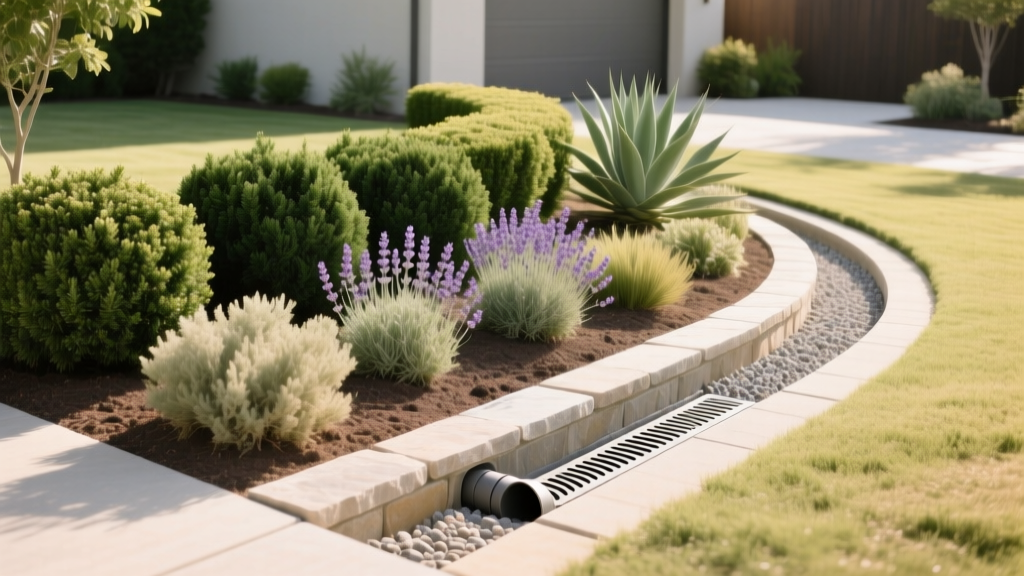
Front Yard Shrub Border Redesign & French Drain Guide 2026
David ParkPublished
The 2026 Front Yard Makeover: Marrying Aesthetics with Functionality
The modern front yard in 2026 is no longer just a patch of high-maintenance turfgrass. Homeowners are increasingly prioritizing eco-friendly, drought-tolerant, and visually striking landscapes. One of the most prominent trends this year is the front yard makeover focused on low-maintenance shrub border redesigns. These structured beds provide year-round curb appeal, reduce water usage, and eliminate the need for weekly mowing. However, a common and often overlooked problem threatens these new investments: poor soil drainage. When heavy rains hit, water can pool behind these newly planted borders, leading to root rot, soil erosion, and even severe foundation damage. This is where the strategic integration of a French drain becomes the ultimate game-changer for your landscape design.
Combining a shrub border redesign with a concealed French drain system allows you to solve subterranean water issues while simultaneously elevating your home's exterior aesthetics. By routing excess groundwater away from your foundation and out toward the street or a designated dry well, you protect both your property and your new plantings. In this comprehensive 2026 guide, we will explore how to seamlessly install a French drain beneath and behind your new low-maintenance shrub border, ensuring your landscape remains pristine, functional, and thriving for decades to come.
Why Your Shrub Border Needs a French Drain
Many homeowners assume that because they are planting 'low-maintenance' or 'drought-tolerant' shrubs, they do not need to worry about water management. In reality, the transition zone between your home's foundation and the front yard is a natural catch-basin for roof runoff and surface water. If your front yard has even a slight negative grade toward the house, water will accumulate exactly where you plan to install your new shrub border.
Without proper drainage, the soil in your shrub bed becomes anaerobic. Roots suffocate, fungal diseases proliferate, and expensive specimen shrubs die within their first season. Furthermore, the hydrostatic pressure from trapped water can cause basement leaks and foundation cracking. By installing a French drain along the back edge of your redesigned shrub border, you intercept this water before it causes harm. The drain acts as a hidden highway for excess moisture, while the shrub border above it serves as a beautiful, living camouflage for the drainage gravel and access points.
Step-by-Step French Drain Installation for Shrub Beds
Integrating a drainage system into a landscape bed requires careful planning and precise execution. Follow these steps to ensure your 2026 front yard makeover is built on a solid, dry foundation.
Step 1: Mapping, Grading, and Utility Checks
Before you pick up a shovel, you must map the water flow. During a heavy rainstorm, observe where water pools and where it naturally wants to flow. Your French drain trench should run parallel to your foundation, situated just behind where the back row of your new shrub border will be planted. The trench must have a continuous downward slope of at least 1 inch per 8 feet (a 1% grade) toward your designated discharge point, such as a storm drain, street curb, or pop-up emitter in the side yard. Crucially, before breaking ground, you must contact the national Call 811 service to have all underground utility lines marked. This is a legal requirement and a vital safety precaution that protects you from striking gas, water, or electrical lines.
Step 2: Trenching with Precision
For a front yard shrub border application, a standard trench width of 12 inches and a depth of 18 to 24 inches is usually sufficient. Dig the trench along your marked route, ensuring the bottom is smooth and free of sharp rocks that could puncture your drainage pipe. If you are digging through heavy clay soil, which is common in many regions, consider widening the trench slightly to accommodate more drainage gravel, thereby increasing the system's water-holding capacity.
Step 3: Lining, Piping, and 2026 Gravel Alternatives
Line the entire trench with a high-quality, commercial-grade non-woven geotextile landscape fabric. This fabric is essential; it prevents fine soil particles from migrating into the gravel and clogging the pipe over time. Next, lay a perforated corrugated or PVC drainage pipe at the bottom of the trench, ensuring the holes face downward. This allows water to enter from the bottom and sides while minimizing sediment intrusion.
Cover the pipe with washed drainage gravel. In 2026, many landscapers are utilizing lightweight expanded shale or recycled glass gravel alternatives. These modern materials provide excellent permeability while significantly reducing the physical strain of transporting and pouring heavy stone. Leave about 3 to 4 inches of space at the top of the trench. Fold the excess landscape fabric over the top of the gravel to create a 'burrito' effect, completely encapsulating the drain. Finally, cover the wrapped drain with topsoil and mulch, seamlessly blending it into the base of your new shrub border.
Selecting Low-Maintenance Shrubs for Drainage-Integrated Borders
When redesigning your front yard border over a French drain, you must select plants that can tolerate the unique microclimate. The soil directly above the drain will be drier and faster-draining than the surrounding yard, while the edges of the bed may experience temporary moisture fluctuations. According to the USDA Plants Database, selecting native or highly adapted shrubs is the best way to ensure long-term survival with minimal intervention.
Below is a comparison chart of top-tier, low-maintenance shrubs that thrive in the well-drained conditions created by a French drain system, making them perfect for your 2026 front yard makeover.
| Shrub Name | Botanical Name | Moisture Tolerance | Maintenance Level | 2026 Avg Cost (3-Gal) |
|---|---|---|---|---|
| Inkberry Holly | Ilex glabra | High (Tolerates wet edges) | Very Low | $35 - $45 |
| Winter Gem Boxwood | Buxus microphylla | Moderate (Needs good drainage) | Low | $40 - $55 |
| Dwarf Fothergilla | Fothergilla gardenii | High (Excellent adaptability) | Low | $30 - $45 |
| Russian Sage | Salvia yangii | Low (Plant away from direct line) | Very Low | $20 - $25 |
| Juniper 'Blue Star' | Juniperus squamata | Low (Thrives in dry, fast drain) | Very Low | $35 - $50 |
By mixing evergreens like the Inkberry Holly and Winter Gem Boxwood with seasonal interest plants like the Dwarf Fothergilla, you create a dynamic, multi-layered border that looks incredible year-round while hiding the functional drainage infrastructure beneath.
2026 Cost Breakdown: DIY vs. Professional Installation
Budgeting is a critical component of any landscape redesign. The cost of integrating a French drain into your shrub border varies based on soil conditions, trench length, and whether you choose to tackle the project yourself or hire a professional landscaping crew. Managing yard runoff efficiently also aligns with EPA WaterSense guidelines for efficient landscape water management, potentially saving you money on municipal water bills and preventing costly foundation repairs.
| Project Component | DIY Estimated Cost (50 ft) | Pro Estimated Cost (50 ft) |
|---|---|---|
| Materials (Pipe, Fabric, Gravel) | $250 - $400 | $600 - $900 (Markup included) |
| Labor (Trenching & Backfilling) | $0 (Your Sweat Equity) | $1,200 - $2,200 |
| Shrub Border Plants (15 Shrubs) | $500 - $750 | $650 - $950 |
| Mulch, Soil Amendments, Edging | $150 - $250 | $250 - $400 |
| Total Estimated Project Cost | $900 - $1,400 | $2,700 - $4,450 |
While the DIY route offers significant savings, it requires intense physical labor, especially when digging through compacted clay or rocky soil. If your front yard features complex grading issues or requires tying into municipal storm drains, hiring a licensed landscaping contractor in 2026 is highly recommended to ensure code compliance and optimal water flow.
Maintenance Tips for the Integrated Border
One of the primary goals of a 2026 front yard makeover is reducing ongoing maintenance. Fortunately, a French drain hidden beneath a low-maintenance shrub border requires very little upkeep. Once a year, preferably in late autumn, inspect the discharge point of your drain to ensure it is free of leaves, debris, and ice buildup. If your system includes a catch basin or visible grate near the downspout connection, clean out any accumulated silt.
For the shrub border itself, apply a fresh 2-inch layer of hardwood mulch or pine straw each spring. This not only suppresses weeds and retains soil moisture during dry spells but also protects the landscape fabric encapsulating the French drain from UV degradation. Avoid using heavy, compacting soils or excessive topsoil over the drain line, as this can impede water percolation. With these simple annual tasks, your integrated landscape will remain a stunning, worry-free asset to your home.
Conclusion
Redesigning your front yard with a low-maintenance shrub border is a brilliant way to boost curb appeal and reduce your environmental footprint. However, true landscape longevity requires addressing what lies beneath the surface. By pairing your aesthetic redesign with a professionally executed or carefully planned DIY French drain installation, you safeguard your home's foundation and ensure your new plants thrive in perfectly drained soil. Embrace the 2026 landscaping standards by building smart, planning for water management, and enjoying a beautiful, resilient front yard for years to come.

