
Landscaping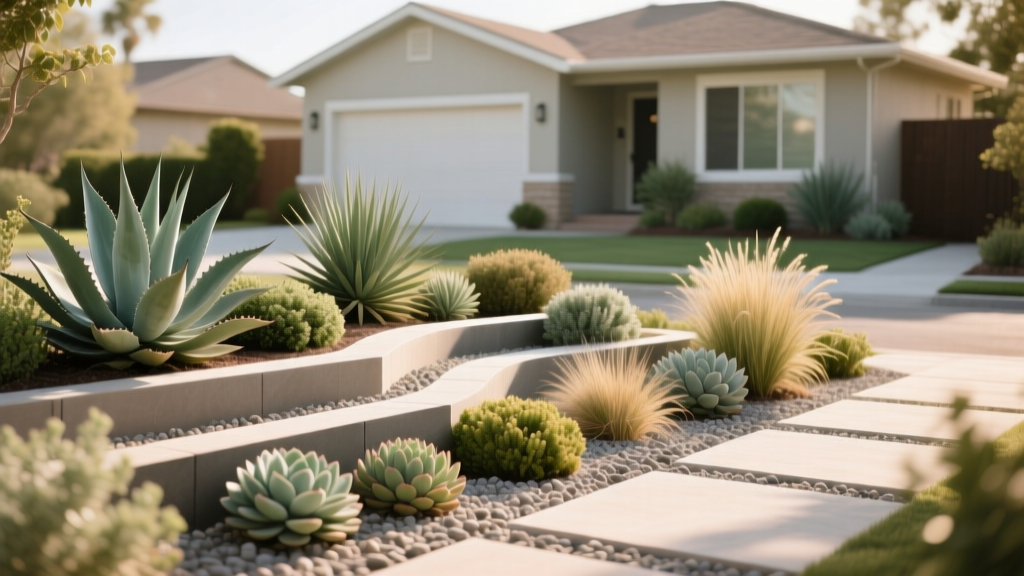
2026 Front Yard Xeriscape Shrub Border Makeover Guide
Sarah ChenPublished
The 2026 Shift to Xeriscape Front Yard Borders
In 2026, the traditional turf-heavy front yard is rapidly becoming a relic of the past. Driven by shifting climate patterns, stringent municipal water restrictions, and a growing appreciation for sustainable ecology, homeowners are overwhelmingly turning to xeriscaping. A front yard makeover focusing on a low-maintenance shrub border is one of the most impactful ways to boost curb appeal while drastically reducing your outdoor water consumption. Unlike thirsty annual flower beds or high-maintenance formal hedges, a well-designed xeriscape shrub border provides year-round structure, supports local pollinators, and thrives on neglect once established.
According to the EPA WaterSense program, outdoor water use accounts for nearly a third of total household water consumption in many regions, with traditional landscapes demanding thousands of gallons annually. By replacing outdated, water-wasting foundation plantings with drought-tolerant native and adapted shrubs, you can cut your landscape water usage by up to 60 percent. This guide will walk you through the exact steps to redesign, install, and maintain a stunning front yard xeriscape shrub border in 2026.
Assessing Your Site and Hydrozoning
Before you purchase a single plant, you must understand the microclimates of your front yard. The core principle of xeriscaping is hydrozoning—grouping plants with similar water and sunlight requirements together. This prevents the common mistake of overwatering drought-tolerant shrubs just to keep a neighboring thirsty plant alive.
Start by mapping your front yard's sun exposure. Note which areas receive full, baking afternoon sun and which are shaded by your home or existing trees. Next, evaluate your soil drainage. Most xeriscape shrubs despise 'wet feet' and will succumb to root rot if planted in heavy, unamended clay that holds water for days. The Colorado State University Extension recommends conducting a simple percolation test: dig a hole 12 inches deep, fill it with water, and let it drain. If it takes more than 24 hours to drain completely, you will need to amend the soil or build raised berms to improve drainage before installing your new shrub border.
Top Low-Maintenance Shrubs for 2026 Borders
Selecting the right plants is the most critical step in your makeover. In 2026, landscape designers are moving away from rigid, sheared formal hedges and embracing the natural, architectural forms of native shrubs. When selecting plants, always cross-reference your choices with the UC ANR WUCOLS database to verify the exact water needs of specific cultivars in your region.
| Shrub Name | Botanical Name | Mature Size | Water Needs | Best USDA Zones |
|---|---|---|---|---|
| Texas Ranger | Leucophyllum frutescens | 4-6 ft tall/wide | Very Low | 8-11 |
| Yankee Point Ceanothus | Ceanothus griseus horizontalis | 2-3 ft tall, 8 ft wide | Low | 8-10 |
| Autumn Sage | Salvia greggii | 2-3 ft tall/wide | Low to Medium | 7-9 |
| Color Guard Yucca | Yucca filamentosa 'Color Guard' | 2-3 ft tall, 3 ft wide | Very Low | 4-10 |
Texas Ranger (Leucophyllum frutescens)
Often called the 'barometer bush,' this silver-leaved beauty erupts in vibrant purple or pink blooms whenever the humidity spikes or after a rare rainstorm. It is exceptionally heat-tolerant, requires virtually no pruning if given enough space, and thrives in poor, rocky soils.
Yankee Point Ceanothus
For a low-growing, evergreen groundcover shrub that stabilizes slopes and borders walkways, Yankee Point is unmatched. It produces clusters of pale blue flowers in early spring that attract native bees. It requires excellent drainage and zero summer water once its deep taproot is established.
Autumn Sage (Salvia greggii)
While technically a sub-shrub, Autumn Sage provides the continuous color that many homeowners crave when transitioning to xeriscaping. Available in fiery reds, soft pinks, and whites, it blooms from spring through late fall. A hard cutback in late winter keeps it dense and woody.
Color Guard Yucca
For striking architectural contrast, this variegated yucca features bright gold centers with green margins. It is incredibly cold-hardy, surviving freezing winters, while laughing off extreme summer drought. Use it as a focal point at the corners of your shrub border.
Step-by-Step Shrub Border Installation
Proper installation ensures your xeriscape border survives its crucial first year and thrives for decades.
Step 1: Eradication and Soil Prep
Remove existing turf or water-hungry shrubs. Avoid using synthetic herbicides if possible; instead, use the solarization method or thick layers of cardboard to smother grass. Once cleared, loosen the top 12 inches of soil. Do not add heavy, moisture-retaining compost. Instead, top-dress with a thin layer of coarse compost and expanded shale to improve aeration without creating a 'bathtub' effect that traps water around the roots of your new drought-tolerant shrubs.
Step 2: Smart Drip Irrigation Setup
Xeriscaping does not mean zero water; it means efficient water. Newly planted shrubs need regular, deep watering to establish their root systems. Install a subsurface drip irrigation system, such as Netafim Techline EZ, which features built-in emitters that resist root intrusion. Connect this to a 2026 smart controller like the Rachio 4 or Hunter Hydrawise, which utilizes hyper-local weather data and soil moisture sensors to automatically skip watering after rainfall and adjust for seasonal evapotranspiration rates.
Step 3: Planting and Mulching
Dig holes twice as wide as the nursery container but no deeper. Plant the shrubs slightly above grade (about one inch high) to ensure water drains away from the crown. Backfill with native soil. Finally, apply a 2-to-3-inch layer of inorganic mulch, such as crushed granite or river rock. Unlike organic wood chips, which can harbor fungal diseases in damp climates or blow away in high winds, inorganic mulch suppresses weeds, reflects heat, and perfectly complements the modern xeriscape aesthetic.
Integrating Hardscape for Curb Appeal
A shrub border looks best when framed by intentional hardscaping. In 2026, the trend is toward clean, modern lines that contrast beautifully with the wild, natural forms of xeriscape plants. Install Corten steel landscape edging to create a crisp, rust-colored boundary between your shrub border and the remaining walkways. Fill negative spaces between the shrubs with decomposed granite (DG) stabilized with a natural binder. DG provides a permeable surface that allows rainwater to percolate into the soil, reducing runoff and preventing erosion while giving your front yard a polished, high-end desert-modern look.
Long-Term Maintenance and Care
The greatest advantage of a xeriscape shrub border is the drastic reduction in weekend chores. Once established (typically after 18 to 24 months), you can turn off the drip irrigation entirely during the cooler months and reduce it to a deep, monthly soak during peak summer. Avoid the temptation to fertilize; native and adapted shrubs thrive in lean soils, and excess nitrogen only promotes weak, leggy growth that is susceptible to pests. Prune only to remove dead wood or to shape the plant immediately after its blooming cycle. By embracing these low-water landscaping principles, your 2026 front yard makeover will remain a stunning, eco-friendly focal point in your neighborhood for years to come.

