Gardening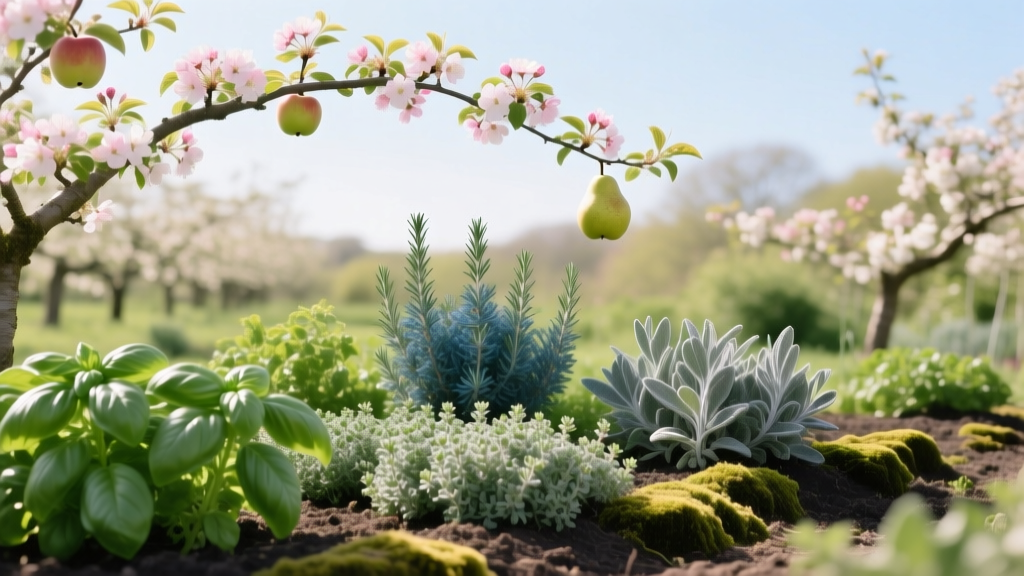
2026 Understory Herb Design: Basil, Thyme, Rosemary & Sage Guide
James MillerPublished
The Evolution of Herb Gardens: Tree Canopies and Understory Design in 2026
As we navigate the 2026 growing season, the traditional flat, rectangular herb garden is being rapidly replaced by dynamic, multi-tiered permaculture designs. Home gardeners and landscape architects are increasingly looking toward agroforestry principles to maximize space, improve soil health, and create resilient microclimates. When approaching herb garden design from a 'tree selection and planting' perspective, two distinct but complementary strategies emerge: training woody culinary herbs into miniature 'standard' trees, and utilizing annual and perennial herbs as an understory groundcover beneath fruit and nut trees.
This guide will walk you through the exact steps to merge tree planting with culinary herb garden design, focusing on the classic Mediterranean quartet: basil, thyme, rosemary, and sage. Whether you are planting a dwarf fruit tree orchard or training a rosemary bush into a patio standard, these 2026 techniques will ensure a thriving, aromatic, and highly productive landscape.
Selecting the Right Overstory Trees for Culinary Herbs
If your goal is to plant an understory herb garden, your first step is selecting the correct overstory tree. Culinary herbs like rosemary, sage, and thyme are native to the Mediterranean and require abundant sunlight and excellent drainage. Therefore, planting them beneath dense, shade-casting trees like maples or oaks will result in leggy, disease-prone herbs.
Instead, select trees that offer dappled shade or have an open canopy structure. Ideal tree selections for 2026 include:
- Dwarf Fruit Trees: Apple, pear, and plum trees grafted onto dwarfing rootstocks (such as Malling M.9) have smaller root systems that leave ample room and nutrients for understory herbs.
- Fig Trees (Ficus carica): Figs have a relatively open canopy and thrive in the same hot, dry conditions as rosemary and sage.
- Olive and Citrus Trees: In USDA Zones 8-11, standard olive trees or dwarf 'Improved Meyer' lemons make perfect centerpieces for a Mediterranean herb understory.
When planting your overstory tree, ensure you leave a 2-foot radius around the trunk completely clear of herbs to prevent crown rot and allow the tree's root flare to breathe.
Training Woody Herbs as Miniature Standard Trees
If you lack the space for a full fruit tree, you can apply tree-selection principles directly to your herbs. 'Standardizing' is the horticultural practice of training a shrub or woody herb to grow a single, bare trunk with a rounded canopy at the top, mimicking the form of a miniature tree.
Rosemary (Salvia rosmarinus)
Rosemary is the premier candidate for tree-form training. Select an upright, vigorous cultivar like 'Tuscan Blue' or 'Miss Jessopp's Upright'. In early spring, select the single strongest, most vertical stem and remove all competing basal shoots. Stake this main leader to a rigid bamboo pole. As it grows, strip the lower leaves and side shoots up to your desired 'trunk' height (usually 18 to 24 inches). Once it reaches the desired height, pinch the very tip of the leader to force lateral branching, creating the 'tree canopy'. Over two to three years, the base will lignify into a thick, woody trunk.
Sage (Salvia officinalis)
Culinary sage can also be trained as a standard, though it requires more frequent maintenance. Varieties like 'Berggarten' have broader leaves and a sturdier habit. Because sage is prone to woody dieback in the center, you must prune the canopy lightly every spring to encourage fresh, green growth on the exterior of your 'tree'.
Thyme (Thymus vulgaris)
While English and French thyme are naturally low-growing groundcovers, they are essential in the tree-herb garden as 'living mulch'. Plant creeping thyme around the base of your rosemary or sage standards. It will cascade beautifully over the soil, suppressing weeds and retaining moisture without competing deeply with the main taproots.
Integrating Basil into the Perennial Tree Grove
Basil (Ocimum basilicum) is a tender annual, meaning it will not form a permanent woody tree structure. However, it is a vital component of the 2026 culinary herb garden. Plant Genovese or African Blue basil in the sunny gaps between your woody herb standards or beneath the dappled light of your fruit trees. African Blue basil is particularly valuable in permaculture designs because it is a sterile hybrid that blooms continuously, acting as a massive magnet for beneficial predatory wasps that protect your overstory fruit trees from caterpillars.
Culinary Herb Tree and Understory Data Table
| Herb Variety | Tree/Canopy Role | Sun Requirement | Watering Needs | Pruning Strategy |
|---|---|---|---|---|
| Rosemary ('Tuscan Blue') | Miniature Standard Tree | Full Sun (6-8 hrs) | Low (Drought-tolerant) | Annual shaping, remove lower limbs to expose trunk |
| Sage ('Berggarten') | Mid-Canopy Shrub/Standard | Full to Partial Sun | Low to Moderate | Spring hard prune to prevent center woodiness |
| Thyme (English/French) | Trunk Base Groundcover | Full Sun to Dappled | Low | Shear lightly after flowering to maintain density |
| Basil (Genovese/African) | Annual Understory Filler | Full Sun (Requires warmth) | High (Consistent moisture) | Pinch flower heads weekly for bushy, leafy growth |
Soil Preparation and 2026 Planting Techniques
The biggest mistake gardeners make when combining trees and herbs is ignoring their divergent water needs. Fruit trees generally require deep, infrequent watering, while annual basil prefers consistent topsoil moisture. Woody herbs like rosemary and sage will suffer from root rot if overwatered.
To solve this in 2026, utilize biochar-amended raised mounds. When planting your tree, create a gentle berm or mound extending outward from the drip line. Mix native soil with 20% horticultural biochar and a high-quality compost. The biochar acts like a sponge, holding moisture for the tree's deep roots while ensuring the top few inches of soil remain well-drained and oxygenated for the Mediterranean herbs. Before planting any woody herb standard, dip the root ball in a mycorrhizal fungi inoculant to immediately establish a symbiotic relationship with the surrounding soil web.
If you are gardening in heavy clay or poor urban soils, abandon in-ground planting altogether. Use 15-gallon or 20-gallon GeoPot smart-fabric containers. These air-pruning containers prevent root circling and allow you to create a modular 'pocket orchard' on your patio, where each container houses one dwarf fruit tree surrounded by a specific guild of thyme, sage, and basil.
Companion Planting and Pollinator Benefits
Integrating these herbs into a tree-planting design offers massive ecological benefits. According to data from the Xerces Society for Invertebrate Conservation, allowing herbs like thyme and sage to flower provides critical early-season nectar for native solitary bees. Furthermore, the strong volatile oils released by rosemary and sage foliage act as a natural olfactory camouflage, confusing pests like the codling moth that typically target apple and pear trees. By planting a dense ring of aromatic herbs around the base of your fruit trees, you create a pest-deterrent barrier that reduces the need for chemical sprays.
Seasonal Maintenance and Pruning Guide
Maintaining a tree-style herb garden requires a shift in mindset from traditional vegetable gardening. You are managing woody perennials, not just harvesting leaves.
- Spring: Wait until the threat of the final frost has passed before pruning rosemary and sage standards. Pruning too early stimulates tender new growth that can be killed by a late freeze. Apply a slow-release, low-nitrogen organic fertilizer (like a 4-4-4 kelp and feather meal blend) around the drip line of the tree.
- Summer: Harvest basil frequently to prevent it from shading out the lower trunks of your herb standards. Ensure that your thyme groundcover is not creeping up the trunks of your rosemary trees, as this can trap moisture against the bark and invite fungal pathogens.
- Autumn: Stop harvesting woody herbs at least six weeks before your first expected frost. This allows the cuts to callous over and harden off, protecting the 'trees' from winter dieback. In zones 7 and below, wrap the trunks of your sage and rosemary standards in breathable burlap to protect them from harsh, desiccating winter winds.
By treating your culinary herbs with the same respect, structural planning, and long-term vision as you would a heritage shade tree or a fruit-bearing orchard, you will cultivate a stunning, multi-dimensional landscape that feeds both your kitchen and your local ecosystem for years to come.
