
Landscaping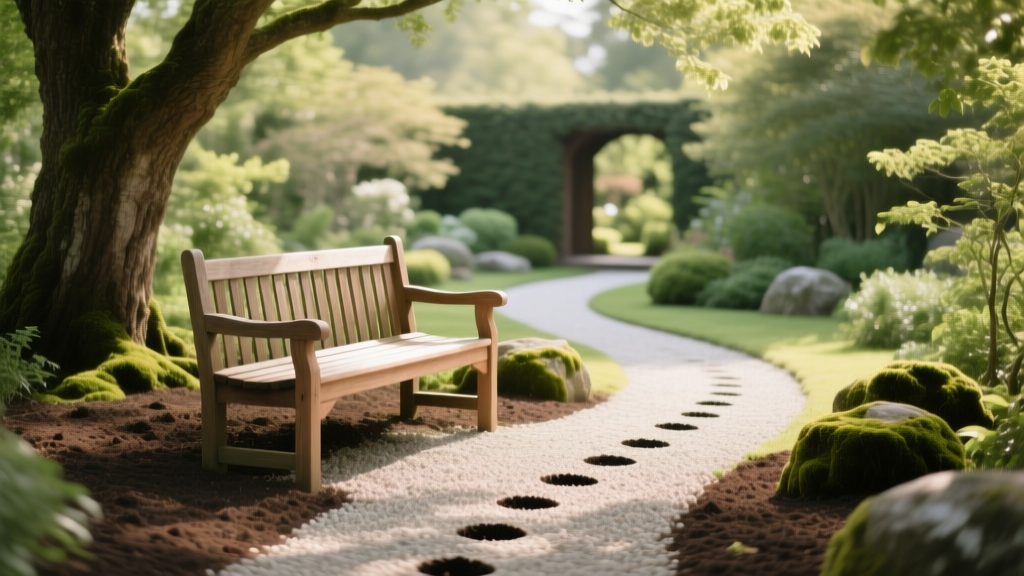
Garden Bench Placement And Core Aeration Guide 2026
Anna KowalskiPublished
Most landscape designers look at a garden bench and see a visual focal point or a cozy shaded retreat. As core aeration specialists, we look at that same bench and see a 300-pound compaction hazard that blocks oxygen from reaching the turf's root zone. In 2026, the integration of hardscaping and advanced turf management has become a cornerstone of sustainable landscaping. Placing a garden bench for shade and aesthetic appeal is a fantastic way to elevate your outdoor living space, but doing so without a strategic core aeration plan can lead to dead grass, soil suffocation, and severe drainage issues.
Shaded areas—typically beneath the canopies of mature oak, maple, or elm trees—are already hostile environments for turfgrass. The tree roots compete aggressively for water and nutrients, while the canopy limits photosynthesis. When you add the physical weight of a heavy timber or composite garden bench, combined with the repetitive foot traffic of people walking to and from the seating area, the soil structure collapses. This collapse eliminates the macropores necessary for gas exchange and water infiltration. Core aeration is the ultimate remedy for this compaction, but the physical presence of the bench dictates how, when, and where you can perform this vital lawn care task.
The Turf Manager's Dilemma: Hardscaping Meets Soil Health
Core aeration involves using a machine to extract plugs of soil, typically two to three inches deep, from the lawn. This process relieves compaction, reduces thatch buildup, and creates channels for water, fertilizer, and oxygen to reach the root zone. According to the University of Minnesota Extension, regular core aeration is essential for maintaining healthy turf in high-traffic areas. However, a garden bench physically blocks aeration equipment and creates a micro-environment where soil moisture and compaction levels fluctuate wildly.
If you place a bench directly on the grass in a shaded focal point, the turf beneath it will inevitably thin out and die due to a lack of sunlight and air circulation. Furthermore, the bench legs act as concentrated points of pressure, driving soil particles tightly together and undoing the benefits of any previous aeration efforts. To maintain a lush, green landscape in 2026, homeowners must view bench placement and core aeration as a single, unified project rather than two separate weekend chores.
Choosing a Shaded Focal Point Without Suffocating Roots
When selecting the perfect shaded focal point for your garden bench, you must consider the operational footprint of modern aeration equipment. Walk-behind commercial and residential aerators, such as the popular 2026 models from Billy Goat and Ryan, require a minimum clearance to maneuver safely without tearing the turf or damaging the machine. If your bench is wedged tightly between a tree trunk and a dense hosta garden bed, an aerator will never reach the soil beneath and immediately surrounding the seating area.
To ensure proper aeration access, follow these placement rules:
- The 3-Foot Rule: Maintain at least a three-foot clearance on all sides of the bench. This allows a walk-behind aerator to make a full pass around the structure, ensuring the soil in the immediate traffic zone is properly relieved of compaction.
- Avoid the Drip Line Depression: Water naturally drips from the outer edge of a tree's canopy (the drip line), often creating a naturally compacted and muddy trench. Never place your bench focal point directly on this line, as the combination of excess water and foot traffic will turn the soil into an anaerobic, compacted mess that even aggressive core aeration will struggle to fix.
- Root Zone Protection: Placing heavy hardscaping directly over the primary structural roots of mature trees can damage the tree. Position the bench in the dappled shade just outside the primary root flare, where the grass still receives enough filtered light to recover from the stress of the aeration process.
Load Distribution: Protecting Aerated Soil
Once you have core aerated the shaded zone and overseeded it with a shade-tolerant blend, the last thing you want to do is crush the newly opened soil pores by dropping a heavy bench onto the soft ground. The solution is load distribution through hardscape pads. By installing permeable base pads under the bench legs, you disperse the weight over a wider surface area, preventing localized compaction while still allowing water to percolate into the aerated soil below.
In 2026, permeable paver pads and crushed gravel footings are the industry standard for protecting aerated turf beneath outdoor furniture. The Royal Horticultural Society (RHS) emphasizes that minimizing surface pressure is critical to maintaining the structural integrity of aerated soil profiles, especially in shaded areas where grass recovery is naturally slower.
2026 Soil Compaction and Aeration Frequency Chart
| Zone Type | Compaction Risk | Recommended Aeration Frequency | Best Base Material for Bench |
|---|---|---|---|
| Heavy Shade / High Traffic | Extreme | Twice Annually (Spring & Fall) | Permeable Paver Pad (12x12 inches) |
| Dappled Shade / Low Traffic | Moderate | Once Annually (Early Fall) | Crushed Gravel Footing (6-inch depth) |
| Full Sun / Focal Point | Low to Moderate | Once Annually (Fall) | Direct on Aerated Turf (with coasters) |
Overseeding Shaded Bench Zones Post-Aeration
Core aeration is only half the battle. The plugs pulled from the ground leave behind open holes that are prime real estate for new grass seed. In shaded focal points, standard Kentucky Bluegrass will fail. Instead, you must utilize advanced fine fescue blends that are engineered for the 2026 climate realities, offering superior shade tolerance and drought resistance.
After running the aerator around your bench placement zone, broadcast a high-quality creeping red fescue or chewings fescue seed directly over the area. The seeds will fall into the aeration holes, making direct contact with the soil and protecting them from being washed away or eaten by birds. According to Michigan State University Extension, overseeding immediately following core aeration significantly improves seed-to-soil contact and germination rates, which is vital in shaded areas where turf density is naturally prone to thinning.
Keep the seeded area consistently moist for the first 14 to 21 days. Do not place the garden bench back over the seeded area until the new grass has been mowed at least twice. This ensures the root system has established enough grip to handle the micro-climate changes introduced by the bench's canopy.
Step-by-Step Workflow for Bench Placement and Aeration
To achieve a pristine shaded focal point without sacrificing your lawn's soil health, follow this chronological workflow:
- Mark the Zone: Use landscaping paint to outline the bench footprint and the surrounding three-foot clearance zone.
- Prepare the Base: Excavate four small squares (where the bench legs will sit) and fill them with crushed angular gravel or install permeable paver pads. This ensures the bench legs never touch the bare soil.
- Core Aerate: Run the core aerator over the entire marked zone, overlapping passes to ensure maximum plug extraction. Leave the soil plugs on the lawn to break down naturally.
- Overseed and Fertilize: Apply a shade-tolerant fescue blend and a starter fertilizer high in phosphorus to encourage deep root growth.
- Water and Wait: Water lightly twice a day. Keep the bench off the lawn during this germination period.
- Install the Bench: Once the new grass is established, carefully position the bench legs onto your pre-installed permeable pads.
Conclusion
Creating a stunning garden bench focal point in a shaded area of your yard is a highly rewarding landscaping project, but it requires a deep respect for the soil ecosystem beneath your feet. By viewing hardscaping through the lens of core aeration, you prevent the silent killer of shaded lawns: soil compaction. Utilizing proper clearances for aeration equipment, installing load-distributing base pads, and overseeding with shade-tolerant fescues will ensure that your 2026 outdoor living space is as healthy below ground as it is beautiful above it. Remember, a great landscape design doesn't just sit on the soil; it works in harmony with it.

