
Landscaping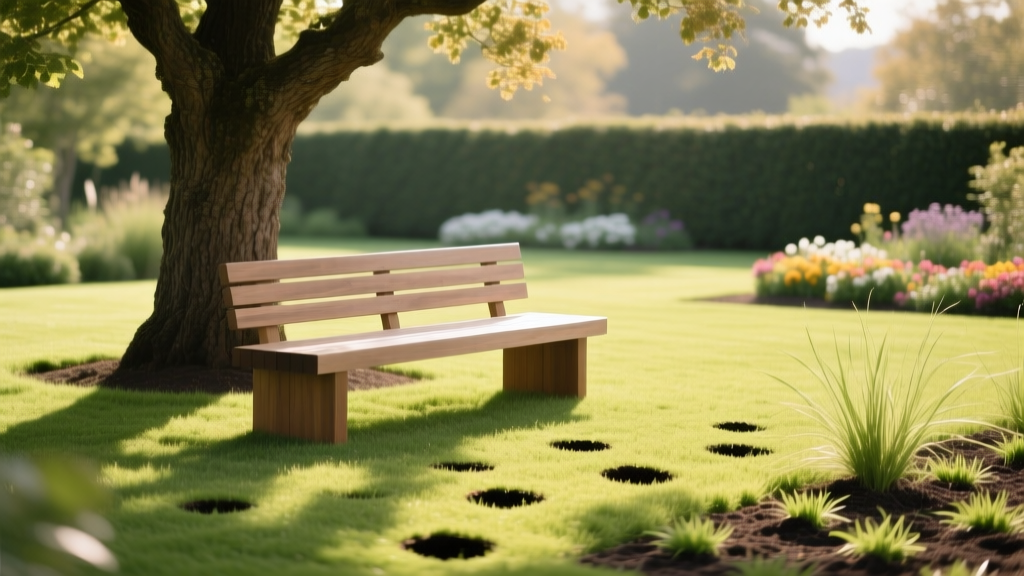
The 2026 Garden Bench Placement & Shade Seeding Guide
Lisa ThompsonPublished
The Intersection of Hardscape Focal Points and Turf Health
As we navigate the 2026 landscaping season, homeowners are increasingly prioritizing the seamless integration of hardscaping and living turf. A beautifully positioned garden bench serves as a classic focal point, drawing the eye and inviting relaxation. However, placing a bench under the dappled shade of a mature oak or maple introduces two massive challenges for your lawn: severe soil compaction from concentrated foot traffic and reduced sunlight for photosynthesis. If you simply drop a heavy timber or cast-iron bench onto your grass without a turf-management strategy, you will inevitably end up with a muddy, barren ring of dead dirt around your new seating area.
From an aeration and seeding perspective, strategic garden bench placement is not just about aesthetics; it is about microclimate management and soil structure preservation. By combining intelligent placement with aggressive core aeration and shade-tolerant overseeding, you can maintain a lush, green carpet that perfectly frames your outdoor living space. This comprehensive guide will walk you through the exact steps to protect and enhance your turf around shaded focal points in 2026.
Strategic Bench Placement for Optimal Shade and Views
Before you break ground or unroll your seed, you must determine the ideal location for your bench. The goal is to maximize the visual impact (the focal point) while managing the shade profile. According to landscape design principles, placing a bench at the intersection of the "rule of thirds" in your garden bed or lawn creates a natural, pleasing focal point. But from a turfgrass perspective, you must evaluate the canopy above.
Deep, solid shade (such as that under a dense Norway Maple) will struggle to support even the most advanced 2026 shade-tolerant grass genetics. Instead, aim for "dappled shade" or areas that receive at least three to four hours of filtered sunlight. If your desired focal point is in deep shade, consider pruning the lower branches of the tree to raise the canopy, allowing ambient light to reach the turf while still providing a cool seating area. Furthermore, position the bench so that the pathway leading to it follows a natural curve, which disperses foot traffic slightly better than a rigid, straight line that creates a highly compacted "desire line."
Pre-Placement Core Aeration: Relieving the Desire Line
Once your location is set, the soil preparation must begin before the bench is installed. The area where the bench will sit, and the pathway leading to it, will experience concentrated foot traffic. This traffic compresses the soil pores, choking off oxygen and water to the grassroots. According to Penn State Extension, core aeration is the most effective method to alleviate this compaction by physically removing small plugs of soil, allowing the root zone to breathe and expand.
For a standard garden bench footprint (roughly 5 feet by 2 feet) plus a 3-foot-wide pathway, you should perform a double-pass core aeration. Rent a walk-behind core aerator (such as a Billy Goat Outback series, which typically costs around $160 for a half-day rental in 2026) or use a heavy-duty manual foot aerator if the space is too tight for machinery. Ensure the machine pulls 2-to-3-inch deep plugs. Leave the plugs on the lawn to break down naturally; they will act as a free, microbe-rich topdressing that helps level minor imperfections in the seating zone.
Choosing the Right Seed Blend for Shaded Bench Zones
Standard Kentucky Bluegrass will quickly thin out and die in the shaded, high-traffic zone around a garden bench. You need a specialized seed blend that combines the shade tolerance of fine fescues with the traffic resistance of turf-type tall fescues. The Clemson University Home & Garden Information Center notes that fine fescues (including creeping red, chewings, and hard fescues) are the premier choices for low-light environments, but they can be susceptible to heavy wear. Therefore, a blend is critical.
In 2026, look for endophyte-enhanced seed blends. Endophytes are beneficial fungi that live inside the grass plant, naturally deterring surface-feeding insects like chinch bugs and sod webworms, which are increasingly problematic in stressed, shaded turf. Premium brands like Jonathan Green Black Beauty Dense Shade or Scotts Turf Builder Dense Shade Mix offer excellent germination rates and deep-rooting genetics specifically bred for these challenging microclimates.
2026 Shade & Traffic Seed Comparison Chart
| Grass Type | Shade Tolerance | Traffic Resistance | Best Use Case Around Bench |
|---|---|---|---|
| Fine Fescue Blend | Excellent | Low to Moderate | Directly under the bench canopy where foot traffic is minimal. |
| Turf-Type Tall Fescue | Moderate | Excellent | The primary pathway leading up to the bench seating area. |
| 70/30 Fescue Mix | High | High | The transition zone bridging the pathway and the deep shade under the bench. |
The Overseeding and Topdressing Protocol
With the soil aerated and your seed selected, it is time to overseed. Timing is everything. The absolute best window for this project is early fall (late August to mid-September), when soil temperatures are still warm enough to trigger rapid germination, but the ambient air is cool, reducing heat stress on young seedlings. Spring seeding is a distant second choice, as the impending summer heat and aggressive shade-tree root competition will severely limit establishment.
Apply your shade-tolerant seed blend at a rate of 4 to 6 pounds per 1,000 square feet using a rotary spreader. Immediately follow this with a light topdressing of screened compost or a specialized peat-moss-based seed accelerator. This topdressing should be no more than 1/8 to 1/4 inch thick—enough to cover the seed and retain moisture, but thin enough to allow the new shoots to push through. Finish by applying a high-phosphorus starter fertilizer (such as a 10-18-10 NPK ratio) to stimulate aggressive root development into the freshly aerated soil holes.
Long-Term Turf Maintenance Around Hardscapes
Installing the bench and seeding the lawn is only the beginning. To ensure your focal point remains framed by vibrant green turf year after year, you must implement a targeted maintenance routine. First, water the newly seeded area lightly two to three times a day for the first 14 days to keep the top inch of soil consistently moist. Once the grass reaches mowing height, transition to deep, infrequent watering to encourage roots to dive deep into the aeration channels.
Because the area around the bench will remain a high-traffic zone, you must commit to annual core aeration. Every fall, pull plugs along the pathway and the immediate perimeter of the bench. If you notice the soil becoming hydrophobic (repelling water) due to tree root competition, incorporate a liquid soil surfactant into your 2026 lawn care regimen to help water penetrate the dry, shaded soil profile. Finally, consider installing subtle, flush-mounted stepping stones along the primary approach to the bench. This simple hardscape addition will permanently eliminate the most severe compaction issues, allowing your aeration and seeding efforts to thrive without being immediately undone by foot traffic.
Conclusion
A garden bench should be a sanctuary, not a scar on your landscape. By viewing bench placement through the lens of aeration and seeding, you address the root causes of turf failure—compaction and light deprivation—before they even begin. Through strategic placement, aggressive core aeration, and the use of advanced 2026 shade-tolerant seed genetics, you can create a breathtaking focal point that invites you to sit back, relax, and enjoy a perfectly manicured, healthy lawn.

