Home & Garden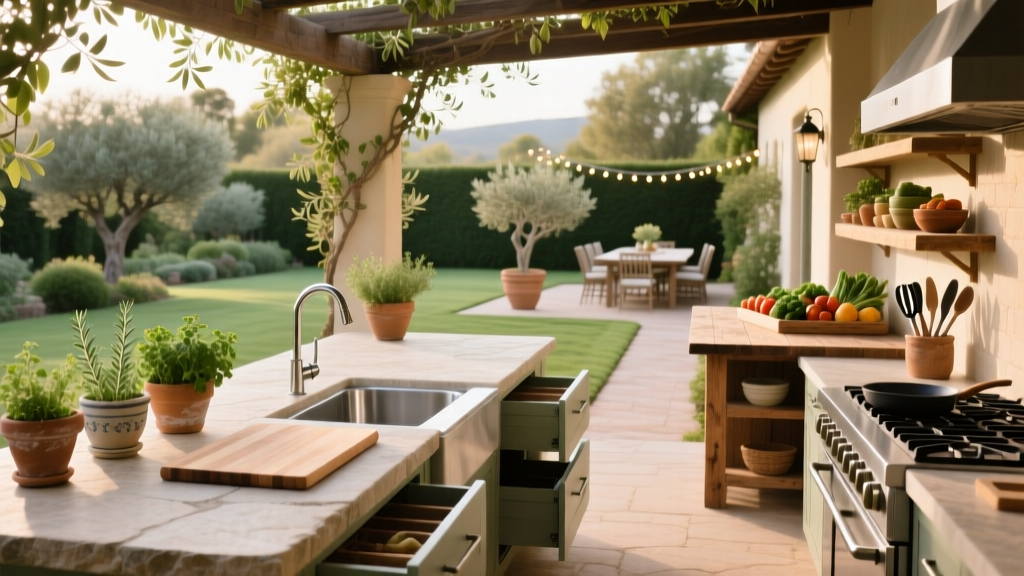
Design a Garden-to-Table Outdoor Kitchen and Prep Zone
James MillerPublished
The garden-to-table movement has evolved from a niche culinary trend into a fundamental approach to modern landscape architecture and outdoor living. For homeowners who cherish the connection between soil and skillet, designing an outdoor space that seamlessly bridges the gap between the garden bed and the dining plate is the ultimate luxury. However, achieving this requires more than simply placing a grill next to a tomato patch. It demands meticulous planning, ergonomic zoning, and the integration of smart home technology to create a cohesive outdoor kitchen and garden prep zone. In this comprehensive guide, we will explore the design principles, material selections, and actionable planning strategies necessary to build a highly functional, energy-efficient, and beautiful garden-to-table outdoor kitchen.
Zoning Your Outdoor Space for Efficiency
When planning an outdoor kitchen tailored for garden-to-table cooking, the traditional indoor work triangle (sink, stove, refrigerator) must be expanded to accommodate the unique workflow of harvesting and prepping fresh produce. We recommend designing a dual-zone layout: the Culinary Zone and the Harvest Prep Zone.
The Culinary Zone
This area is dedicated to cooking and plating. It should feature your primary heat source, such as a Kalamazoo Hybrid Fire Grill or a modular pizza oven. To ensure safety and efficiency, maintain a minimum of 48 inches of aisle clearance if multiple cooks will be working simultaneously. Countertops should be set at a standard 36 inches in height, with a 12-inch overhang for bar seating at 42 inches.
The Harvest Prep Zone
Located closer to the garden beds, this zone is designed for washing, trimming, and initial processing of vegetables and herbs. It requires a deep, single-basin undermount sink—at least 10 inches deep—to accommodate large stockpots and muddy root vegetables. Positioning this zone near your smart irrigation manifold allows for easy access to water lines and simplifies the routing of greywater back into the landscape.
- Proximity: Keep the Harvest Prep Zone within 20 feet of your primary raised beds to minimize the transit time of delicate herbs and leafy greens.
- Lighting: Integrate LED under-cabinet task lighting (3000K warm white) to ensure visibility during evening harvests and late-night prep sessions.
- Storage: Include weatherproof, pull-out stainless steel bins for temporary soil and compost collection during the trimming process.
Material Selection for Durability and Style
Outdoor kitchens face extreme environmental stressors, including UV radiation, freeze-thaw cycles, and high humidity. Selecting the right materials for your countertops, cabinetry, and flooring is critical to the longevity of your garden-to-table space. Avoid porous materials like unsealed limestone or standard indoor wood cabinetry, which will quickly degrade when exposed to the elements and organic garden acids.
For cabinetry, marine-grade polymer or 304 stainless steel are the industry standards. Brands like NatureKast offer marine-grade polymer cabinets that mimic the look of natural wood but are entirely impervious to moisture and insects. For flooring, consider composite decking materials like Trex Transcend or large-format porcelain pavers, which provide a slip-resistant surface that is easy to hose down after a messy gardening session.
| Countertop Material | Estimated Cost per Sq. Ft. | Durability and Maintenance | Best Application |
|---|---|---|---|
| 304 Stainless Steel | $150 - $250 | High; requires polishing to prevent water spots and scratches. | Harvest prep zones, grill surrounds |
| Sintered Stone (Dekton) | $120 - $200 | Extreme; UV resistant, scratch-proof, requires zero sealing. | High-heat zones, primary culinary prep |
| Sealed Granite | $80 - $150 | Medium; needs annual sealing against UV rays and acidic stains. | Dining counters, serving areas |
| Poured Concrete | $65 - $135 | High; prone to hairline cracking, requires seasonal waxing. | Rustic garden potting stations |
Integrating Smart Home and Irrigation Tech
A modern garden-to-table outdoor kitchen should leverage smart home technology to conserve water and streamline the cooking process. Water management is particularly crucial when you are frequently washing freshly pulled root vegetables and herbs.
Install a smart faucet, such as the Moen Smart Faucet with Motion Control, which allows you to activate the water flow with a simple hand wave. This is incredibly hygienic and convenient when your hands are covered in garden soil or raw meat. Furthermore, integrating a smart water leak detector under the outdoor sink can automatically shut off the main water valve via a Wi-Fi-enabled smart shutoff system like Flo by Moen, preventing catastrophic water damage to your outdoor cabinetry during winter freezes.
From an irrigation perspective, the water used to rinse vegetables can be repurposed. By installing a dual-plumbing system, you can divert greywater from the prep sink into a subsurface drip irrigation network that feeds your nearby ornamental garden beds. This not only conserves municipal water but also creates a closed-loop ecosystem within your backyard.
When designing outdoor kitchens with integrated washing stations, routing greywater to subsurface irrigation lines can reduce landscape water usage by up to 15 percent, provided biocompatible soaps are utilized and local municipal codes permit greywater diversion. — University of California Agriculture and Natural Resources (UC ANR)
The Dedicated Potting and Seed Starting Station
To truly embrace the garden-to-table lifestyle, your outdoor kitchen design should include a dedicated potting and seed-starting station. This area bridges the gap between heavy landscaping work and refined culinary prep. It should be situated on the periphery of the main entertaining area to keep soil and tools out of the primary cooking zone.
The ideal potting bench height is 34 to 36 inches, which aligns with standard counter heights and reduces back strain during long planting sessions. Incorporate a slatted work surface made from sustainably harvested teak or recycled composite lumber to allow excess soil to fall through into a removable collection bin below.
- Soil Storage: Build weatherproof, lined cubbies to store different soil amendments, such as perlite, compost, and vermiculite, keeping them dry and accessible.
- Tool Organization: Install a magnetic tool strip or a pegboard made from marine-grade plywood to keep hand trowels, pruners, and hori-hori knives visible and within arm's reach.
- Seed Starting: Include a small, heated propagation mat integrated into a recessed counter section, powered by a weatherproof outdoor GFCI outlet, to encourage early spring germination.
Budgeting and Timeline Planning
Constructing a fully integrated outdoor kitchen and garden prep zone is a significant investment that requires careful financial and temporal planning. On average, a high-end outdoor kitchen with premium appliances, custom masonry, and smart plumbing integration costs between $150 and $300 per square foot. A standard 200-square-foot linear layout can therefore range from $30,000 to $60,000.
To manage costs, consider a phased construction approach. Phase one should focus on the essential hardscaping, utility trenching (gas, water, and electrical), and the primary culinary zone. Phase two can introduce the harvest prep sink, smart irrigation tie-ins, and the potting station. This phased timeline not only eases the financial burden but also allows you to experience the space and adjust your design based on how you naturally move between the garden and the grill during your first season of use.
Timing is equally critical. Begin your design and permitting process in late winter. This ensures that utility trenching and concrete pouring can occur in early spring, allowing the masonry to cure properly before the summer heat. By mid-summer, your garden-to-table outdoor kitchen will be fully operational, ready to handle the peak harvest of your backyard crops.
Conclusion
Designing a garden-to-table outdoor kitchen and prep zone is a transformative project that elevates both your culinary capabilities and your landscape's functionality. By thoughtfully zoning your space, selecting weather-resistant materials, and integrating smart water management systems, you create an outdoor living environment that celebrates the journey from seed to plate. With meticulous planning and a clear understanding of the unique workflow required for garden-harvested cooking, your backyard will become the ultimate destination for sustainable, fresh, and flavor-packed dining.
