Home & Garden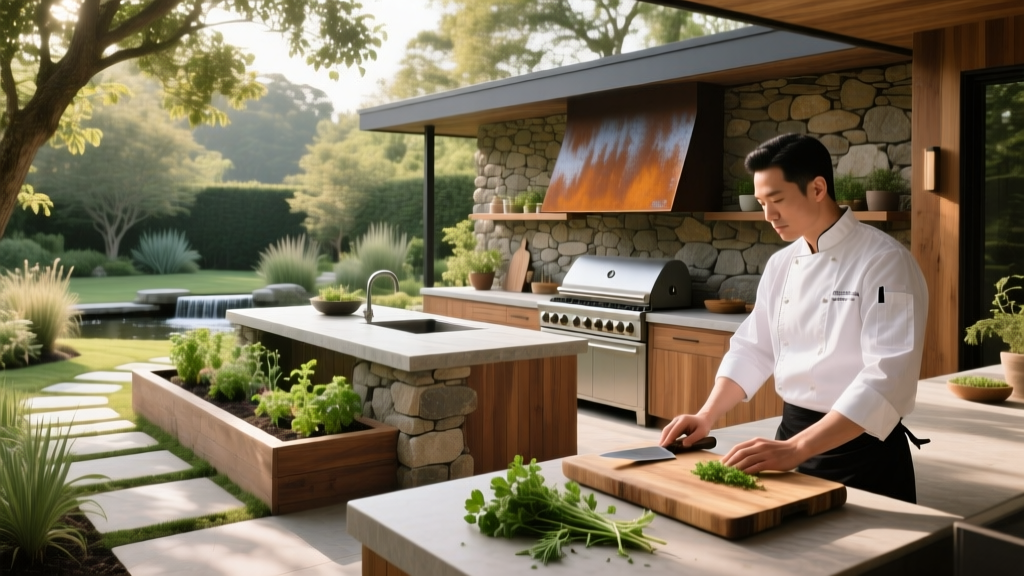
Designing a Garden-to-Table Outdoor Kitchen Space
Sarah ChenPublished
The modern backyard has evolved from a simple patch of grass into a fully functional extension of the indoor living space. For culinary enthusiasts and home gardeners, the ultimate goal is bridging the gap between soil and skillet. Designing a garden-to-table outdoor kitchen requires more than just dropping a grill onto a patio; it demands a strategic approach to workflow, weather-resistant materials, and seamless integration with your edible landscaping. By planning your outdoor culinary space with the harvest in mind, you can create an efficient, beautiful environment that transforms fresh produce into memorable meals.
Strategic Zoning for the Harvest Workflow
When planning an outdoor kitchen dedicated to garden-to-table cooking, you must rethink the traditional culinary triangle. Instead of the indoor fridge-sink-stove model, the outdoor harvest workflow relies on four distinct zones: the transition zone, the washing zone, the prep zone, and the cooking zone. The transition zone is where you bring in your harvest. Position this area closest to your garden gates or raised beds. Include a designated landing pad—such as a sturdy, weather-treated teak shelf—where you can set down heavy baskets of tomatoes, root vegetables, or fresh herbs before sorting them.
The washing zone is arguably the most critical addition for a garden-focused setup. Indoor kitchens assume produce is already cleaned, but outdoor kitchens dealing with fresh harvests need a dedicated utility sink. Consider installing a wide, shallow cast-iron or stainless steel farm sink, such as the Kohler Brockway, equipped with a high-arc pull-down sprayer. This allows you to rinse dirt from root vegetables and gently wash delicate greens without clogging your primary indoor plumbing.
Critical Measurements and Ergonomic Layouts
Ergonomics and spatial planning are paramount. According to the National Kitchen and Bath Association (NKBA) guidelines for outdoor kitchens, maintaining proper clearance ensures safety and efficiency, especially when multiple people are helping with the harvest prep. The primary work aisles should be a minimum of 48 inches wide, allowing two cooks to pass each other comfortably while carrying hot pots or heavy harvest baskets.
Countertop heights should mirror indoor standards but can be adapted for specific outdoor tasks. A standard 36-inch height works well for general prep, but consider adding a 30-inch lowered section for kneading dough or a 42-inch raised bar that doubles as a serving area and a casual dining space for guests to watch the cooking process. Furthermore, ensure that the landing areas on either side of your primary cooking appliance, like a Blaze Premium LTE built-in grill or a Kamado Joe ceramic cooker, are at least 12 inches wide to safely rest hot pans and platters.
Countertop Materials: Durability Meets Design
Selecting the right countertop material is a balance of aesthetics, durability, and maintenance. Your surfaces must withstand UV radiation, freezing temperatures, and the acidic nature of fresh garden produce like tomatoes and citrus. Below is a comparison of top materials for outdoor culinary spaces.
| Material | Cost per Sq Ft | Durability | Maintenance | Best For |
|---|---|---|---|---|
| Porcelain Slab | $60 - $100 | Excellent | Low | Direct food prep, UV resistance |
| Stainless Steel | $80 - $150 | High | Medium | Hygienic prep, modern aesthetics |
| Granite | $50 - $120 | High | High | Heavy-duty use, classic look |
| Glazed Tile | $20 - $60 | Medium | High | Backsplashes, accent areas |
As noted by the University of Florida IFAS Extension in their comprehensive guide on outdoor kitchen planning, materials used in outdoor kitchens must be able to withstand the local climate, including extreme heat, humidity, and freezing conditions, while remaining food-safe for direct preparation. This makes non-porous options like porcelain and high-grade stainless steel superior to traditional porous stones that require frequent sealing to prevent bacterial growth from raw meats and acidic garden produce.
Smart Home Integration and Utility Planning
To truly bridge indoor and outdoor living, integrate smart home technology into your garden-to-table setup. Smart irrigation systems, such as the Rachio 3 Smart Sprinkler Controller, can be zoned to water your adjacent culinary herb garden without spraying your outdoor dining area. For lighting, integrate weatherproof LED task lighting under your upper cabinets or pergola beams to ensure safe chopping and cooking after the sun sets. Philips Hue outdoor smart lighting can be programmed to shift from bright, cool-white task lighting during prep to warm, dim ambient lighting during the meal.
Utility planning must also account for year-round use. If you live in a climate with freezing winters, ensure all outdoor water lines are equipped with frost-proof sillcocks and pitched drainage valves so you can easily winterize the farm sink and prevent catastrophic pipe bursts.
Landscaping Integration: The Living Pantry
The most successful garden-to-table kitchens blur the line between the built environment and the natural landscape. Instead of isolating the kitchen on a stark concrete pad, integrate living walls or tiered planter boxes directly into the masonry or composite decking. Use Trex composite decking for the surrounding floor space to eliminate the need for annual staining while providing a splinter-free surface for barefoot gardeners.
Composting and Waste Management
A true garden-to-table workflow generates organic waste. Plan for a built-in compost chute or a discreet, odor-sealed tumbling composter located just outside the primary prep zone. This allows you to immediately dispose of vegetable peels, corn husks, and herb stems, turning today's prep waste into next season's rich soil amendment without attracting pests to your cooking area.
Selecting Appliances for Garden-to-Table Cooking
When your menu is dictated by the garden, versatility in your cooking appliances is essential. A standard gas grill is excellent for summer squashes and peppers, but consider integrating a wood-fired pizza oven, such as the Ooni Koda 16, or a versatile ceramic kamado grill. These appliances excel at roasting root vegetables, baking fresh herb focaccia, and slow-smoking harvest-season meats. Additionally, incorporate a high-BTU side burner specifically for boiling water to blanch fresh garden beans or reduce balsamic glazes using your own homegrown herbs. Ensuring your appliances match the diverse cooking techniques required by a seasonal, plant-forward diet will maximize the utility of your outdoor space.
Budgeting and Timeline Expectations
Planning a fully equipped outdoor kitchen is a significant investment. A basic setup with a grill and minimal prep space might start around $5,000, but a comprehensive garden-to-table kitchen with plumbing, smart lighting, and premium countertops typically ranges from $15,000 to $35,000.
Permits and Utility Trenching
Do not overlook the cost and time associated with utility trenching. Running a dedicated 240V electrical line for a high-end grill or pizza oven, alongside a 3/4-inch water line and a 4-inch PVC drainage line for the sink, requires professional excavation and municipal permits. Allocate at least 15% of your total budget for these hidden infrastructure costs.
Timing your project is crucial. Begin the design phase in late winter, secure permits in early spring, and aim for construction during the dry months of late spring and early summer. This timeline ensures your kitchen is fully operational and cured in time for the peak late-summer harvest season. By meticulously planning your space, materials, and landscaping integration, your outdoor kitchen will become the vibrant heart of your garden-to-table lifestyle.
Designing an outdoor kitchen is not just about adding a grill to the patio; it is about creating a sustainable, efficient ecosystem that honors the journey of food from the soil to the plate.
