Home & Garden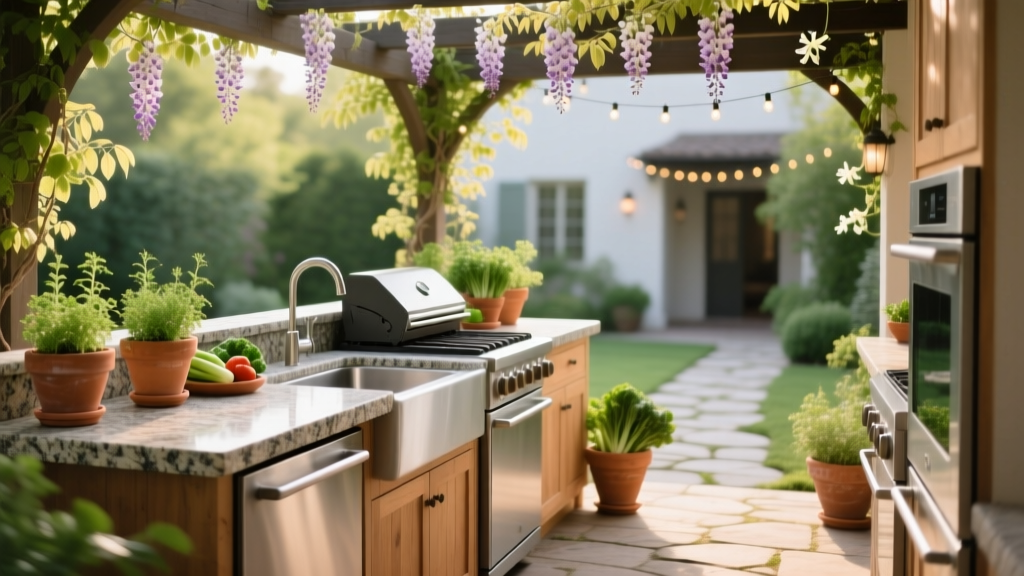
Planning a Garden-to-Table Outdoor Kitchen and Prep Zone
Sarah ChenPublished
Bridging the Gap: The Garden-to-Table Movement
The garden-to-table movement has evolved from a niche culinary trend into a fundamental approach to modern home landscaping and outdoor living. Bridging the gap between your edible garden and your dining room requires more than just a standalone grill and a patio table; it demands a thoughtfully designed outdoor kitchen and dedicated prep zone. When you plan an outdoor culinary space specifically tailored for harvesting, washing, prepping, and cooking, you drastically reduce indoor messes, save on energy costs, and elevate your entertaining capabilities. This comprehensive design and planning guide will walk you through the ergonomic measurements, material selections, budgeting strategies, and smart home integrations necessary to build the ultimate garden-to-table outdoor kitchen.
Zoning Your Outdoor Kitchen for Garden-to-Table Flow
According to the design standards established by the National Kitchen and Bath Association (NKBA), the most efficient kitchens rely on a well-planned work triangle connecting the sink, refrigerator, and cooking surface. In a garden-to-table outdoor kitchen, we adapt this concept into a linear or L-shaped 'Harvest-to-Plate Workflow' divided into three distinct zones.
Zone 1: The Harvest and Wash Station
Position this zone closest to your edible landscape or raised beds. The centerpiece here should be a deep, 36-inch fireclay or stainless steel farmhouse sink equipped with a high-arc, pull-down sprayer. This is crucial for knocking the dirt off freshly pulled carrots, potatoes, and rinsing delicate leafy greens before they ever enter the main prep area. By containing the initial soil and debris outside, you protect your indoor plumbing and keep the main cooking surfaces sanitary.
Zone 2: The Prep and Composting Hub
This zone requires ample linear counter space for chopping, marinating, and plating. To truly embrace the garden-to-table ethos, incorporate a built-in compost drawer. This specialized cabinetry feature allows you to scrape vegetable peels and prep scraps directly into a sealed, odor-blocking outdoor compost tumbler hidden beneath the counter. As noted by the horticultural experts at Fine Gardening, integrating composting directly into your hardscape design prevents pest issues and creates a seamless loop of soil regeneration for your garden.
Zone 3: The Cooking and Serving Zone
Position your grill, wood-fired pizza oven, or induction cooktop here, ideally shielded from prevailing winds to maintain consistent cooking temperatures. Include a dedicated landing area for resting hot cast-iron skillets and plating dishes before they are carried to the adjacent outdoor dining table.
Ergonomic Measurements and Layout Specifications
To ensure your outdoor prep zone is as functional and comfortable as your indoor kitchen, adhere to these standard architectural measurements during the planning phase:
- Base Cabinet Height: 36 inches for standard prep surfaces. If you are incorporating a raised bar for serving or seating, elevate that section to 42 inches.
- Countertop Depth: 24 inches is standard for prep zones, but expand the depth to 30 inches behind the primary grill or cooktop to accommodate large platters, resting meats, and safety buffers.
- Aisle Clearance: Maintain a minimum of 48 inches between parallel counters. If multiple cooks will be working simultaneously, or if you plan to open oven doors into the walkway, increase this to 54 inches.
- Landing Areas: Ensure at least 18 inches of landing space on one side of the cooking surface and 24 inches on the other for safety and plating efficiency.
Material Selection for Durability and Energy Efficiency
Outdoor kitchens face extreme temperature fluctuations, intense UV exposure, and high moisture levels. Selecting the right materials is paramount for longevity, hygiene, and energy efficiency.
Countertops and Cabinetry
Avoid porous materials like unsealed marble or limestone, which will quickly stain from tomato acids, berry juices, and wine. Opt for sealed poured concrete, marine-grade stainless steel, or UV-stable sintered stone (such as Dekton). Stainless steel is particularly advantageous in a garden-to-table setup because it is non-porous, highly sanitary for raw meat and vegetable prep, and reflects sunlight, reducing ambient heat around the chef. For cabinetry, powder-coated aluminum or high-density polyethylene (HDPE) resists warping, rust, and insect damage far better than traditional wood.
Energy-Efficient Appliances
When selecting an outdoor refrigerator, beverage center, or wine cooler, prioritize models with an ENERGY STAR certification. Outdoor-rated compressors must work significantly harder in the heat of summer to maintain safe food temperatures. An energy-efficient model will drastically reduce your seasonal electricity bills while ensuring your freshly harvested produce and dairy remain crisp and safe.
Budgeting and Cost Breakdown
Planning a realistic budget is a critical step in the design phase. The costs below represent national averages for a mid-range, 10-linear-foot garden-to-table outdoor kitchen. Prices will vary based on regional labor rates and material finishes.
| Component | DIY Material Cost | Pro Installed Cost | Garden-to-Table Value |
|---|---|---|---|
| Farmhouse Sink & Pull-Down Sprayer | $600 - $1,200 | $1,500 - $2,800 | Essential for washing muddy root vegetables and leafy greens directly from the soil. |
| Built-In Compost Drawer System | $150 - $300 | $500 - $900 | Keeps prep scraps organized, deters pests, and feeds the adjacent garden soil. |
| Marine-Grade Stainless Countertops | $2,000 - $4,000 | $4,500 - $8,000 | Non-porous, highly sanitary, and reflects heat away from the chef. |
| Smart Drip Irrigation Valve & Hub | $150 - $250 | $400 - $600 | Automates watering for adjacent raised beds without wetting the prep zone. |
| Weatherproof Task Lighting (LED) | $200 - $400 | $600 - $1,200 | Illuminates cutting boards for safe evening prep and harvesting. |
Integrating Smart Home Tech and Lighting
A modern outdoor kitchen should seamlessly integrate with your home's smart ecosystem, particularly when managing the adjacent garden and evening entertaining.
Smart Irrigation Integration
Install a smart irrigation controller, such as the Rachio 3, to manage the drip lines in your adjacent raised beds. By setting up geofenced watering schedules and utilizing local weather intelligence, you ensure the garden gets deep-watered at dawn. More importantly, you can create 'entertaining modes' that guarantee the sprinklers or drip lines will never accidentally activate and spray your outdoor kitchen counters or guests while you are prepping dinner.
Task and Ambient Lighting
Use LED under-cabinet puck lights rated IP65 or higher for moisture and dust resistance over the prep zone. These are vital for illuminating cutting boards during evening harvests and late-night cooking. Connect these fixtures to a smart hub like Lutron Caseta or Philips Hue Outdoor. This allows you to transition from a bright, high-visibility 'prep mode' (4000K daylight) to a warm, inviting 'dining mode' (2700K) via voice command or a smartphone app as you move from cooking to eating.
Actionable Planning Steps for Your Build
Pro Tip: Always map your microclimate before pouring concrete. An outdoor kitchen placed in a wind tunnel or a low-lying frost pocket will make cooking miserable and damage your appliances over time.
- Map the Sun and Wind: Spend a weekend tracking the sun's path and prevailing wind directions across your yard. Position the cooking zone so that smoke blows away from the house and dining area, and ensure the prep zone has afternoon shade to keep ingredients cool.
- Trench Utilities Early: Before any hardscaping begins, trench for gas lines, electrical conduits, and plumbing. Run a dedicated 20-amp GFCI circuit for outdoor appliances and smart lighting hubs. Include a frost-proof hose bib near the wash station for easy winterization.
- Future-Proof the Garden Connection: Lay extra PVC conduit beneath the patio to easily run future low-voltage wiring for garden lighting or additional smart irrigation valves as your edible landscape expands.
- Select Weatherproof Cabinetry: Order your marine-grade polymer or powder-coated aluminum cabinets early, as custom outdoor sizing can have lead times of 8 to 12 weeks.
Conclusion
Designing a garden-to-table outdoor kitchen is an investment in your lifestyle, your home's value, and your culinary creativity. By carefully planning your workflow zones, adhering to ergonomic measurements, selecting durable materials, and integrating smart technology, you create a seamless bridge between the soil and the skillet. With the right layout, your backyard will become a highly functional, energy-efficient extension of your home where the journey from harvest to plate is an absolute pleasure.
