Gardening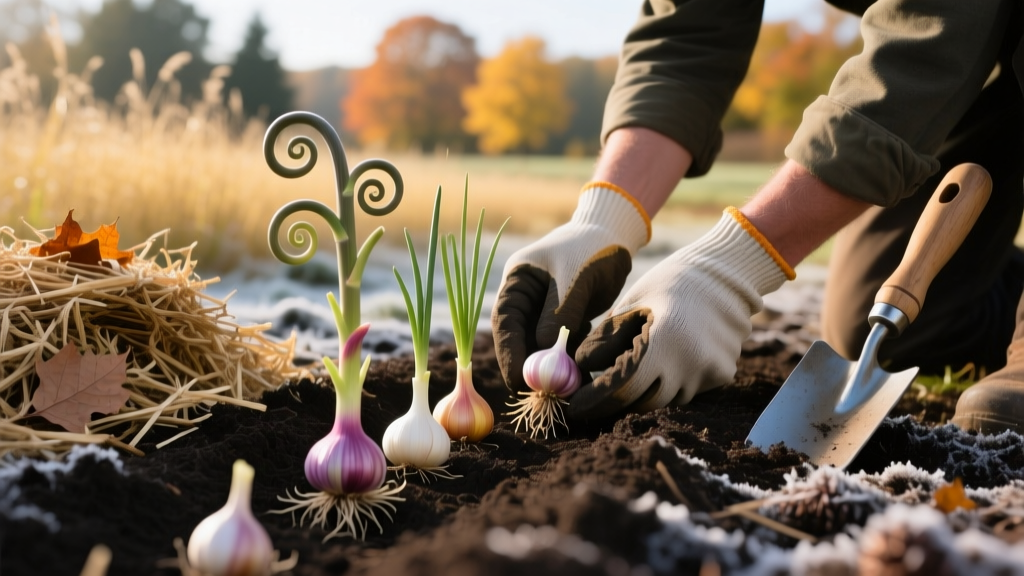
Fall Garlic Planting 2026: Hardneck vs Softneck Mulching Guide
David ParkPublished
As the autumn air turns crisp in 2026, home gardeners and homesteaders are preparing their raised beds and garden rows for one of the most rewarding overwintering crops: garlic. Planting garlic in the fall is a time-honored tradition that yields robust, flavorful bulbs the following summer. However, the secret to a massive, disease-free harvest does not lie solely in the clove you plant or the soil you prepare. The true unsung hero of the garlic patch is your mulching strategy. From the perspective of mulching methods and materials, understanding how to properly insulate, protect, and nourish your garlic through the winter months is critical. This comprehensive guide will walk you through the nuances of hardneck versus softneck garlic selection, precise fall planting timing, and the specific mulching materials required to guarantee success in the 2026 growing season.
Hardneck vs. Softneck Garlic: Choosing Your 2026 Crop
Before you can select the right mulch, you must understand the botanical differences between the two primary types of garlic. Your choice will dictate your planting depth, spacing, and most importantly, your winter mulching requirements.
Hardneck Garlic (Allium sativum var. ophioscorodon): Hardneck varieties are the descendants of wild garlic and are exceptionally cold-hardy. They produce a rigid central flowering stalk known as a 'scape' and typically yield fewer, but much larger, cloves per bulb. Varieties like 'Music', 'German Red', and 'Chesnok Red' thrive in northern climates with harsh, freezing winters. Because they are adapted to extreme cold, hardnecks require a thick, insulating mulch layer to prevent the soil from undergoing destructive freeze-thaw cycles that can push the cloves out of the ground—a phenomenon known as 'heaving'.
Softneck Garlic (Allium sativum var. sativum): Softneck varieties lack the rigid central stalk, making their stems pliable and perfect for braiding. They generally produce more cloves per bulb, often in multiple overlapping layers, and store significantly longer than hardnecks. Varieties like 'California Early', 'Inchelium Red', and 'Silverskin' prefer milder winters and are the standard for commercial production. While they still benefit from mulch for moisture retention and weed suppression, softnecks require a lighter mulching touch to prevent excess moisture retention and subsequent bulb rot in warmer, wetter winter climates.
| Feature | Hardneck Garlic | Softneck Garlic |
|---|---|---|
| Climate Preference | Cold winters (USDA Zones 3-6) | Mild winters (USDA Zones 7-9) |
| Clove Count | 4 to 12 large cloves | 8 to 20+ mixed-size cloves |
| Scape Production | Yes (must be removed) | No |
| Winter Mulch Depth | 4 to 6 inches | 2 to 3 inches |
| Primary Mulch Goal | Thermal insulation, prevent heaving | Weed suppression, moisture control |
Fall Planting Timing: When to Get Cloves in the Ground
Timing your fall planting correctly is the first step in a successful mulching regimen. The goal is to plant the cloves late enough that they do not produce vulnerable top growth before winter, but early enough that they establish a robust root system. According to the USDA Plant Hardiness Zone Map, which remains the gold standard for gardeners in 2026, you should aim to plant garlic 2 to 4 weeks before the ground is expected to freeze solid.
In northern zones (Zones 3-5), this typically means planting between late September and mid-October. In these regions, the soil temperature at a 2-inch depth should be around 50°F (10°C) at the time of planting. In milder southern zones (Zones 7-9), planting is delayed until November or even early December. Getting this timing right ensures that when you apply your winter mulch, the cloves are safely anchored by roots and ready for dormancy, rather than trapped in a warm, moist environment that encourages premature sprouting or fungal diseases.
The Critical Role of Mulch in Garlic Cultivation
Garlic is a shallow-rooted crop that is notoriously poor at competing with weeds. Furthermore, it requires consistent moisture without ever sitting in waterlogged soil. Mulching addresses all of these vulnerabilities simultaneously. A proper mulch layer acts as a thermal blanket, buffering the soil against rapid temperature fluctuations. It also conserves soil moisture during dry autumn spells and early spring thaws, and it blocks sunlight from reaching weed seeds. As noted by the University of Minnesota Extension, a thick layer of organic mulch is virtually mandatory for overwintering garlic in northern climates to prevent the devastating effects of frost heaving, which can sever the delicate new roots from the clove.
Best Mulching Materials for Hardneck and Softneck Varieties
Not all mulches are created equal, and the material you choose should align with your garlic type and local climate. Here is a breakdown of the best mulching materials for the 2026 season:
1. Seed-Free Straw (The Gold Standard)
Straw is the undisputed champion of garlic mulch. Its hollow stems trap air, providing exceptional thermal insulation for hardneck varieties in freezing climates. It allows water to penetrate easily while preventing soil compaction. In 2026, expect to pay between $9 and $14 per bale depending on your region. Crucial tip: Always source 'seed-free' or 'weed-free' straw. Hay contains seeds that will germinate in the spring, turning your garlic bed into a weed nightmare.
2. Shredded Autumn Leaves
Shredded leaves are an excellent, virtually free mulching material rich in trace minerals. However, they must be shredded using a mulching mower or leaf vacuum. Whole leaves will mat together when wet, creating an impermeable barrier that suffocates the garlic shoots and traps excess moisture, leading to rot. Shredded leaves are ideal for softneck varieties in milder climates where extreme insulation is not required.
3. Compost and Leaf Mold
While not a standalone winter mulch for extreme cold, a 1-inch layer of high-quality compost applied directly over the planted cloves before adding a bulkier mulch (like straw) provides a slow-release nutrient boost. Garlic is a heavy feeder, and the microbial activity in compost helps break down organic matter, making nutrients bioavailable just as the garlic breaks dormancy in early spring.
4. Pine Needles (Use with Caution)
Pine straw is readily available in southern regions and is excellent for weed suppression and water penetration. However, garlic prefers a slightly acidic to neutral soil pH (6.0 to 7.0). While pine needles do not drastically alter soil pH in the short term, repeated use over multiple seasons can lower the pH. If using pine needles, buffer the soil with a dusting of wood ash or agricultural lime during your fall soil preparation.
Step-by-Step Mulching Application Guide
To execute a flawless mulching strategy for your 2026 garlic crop, follow these precise steps:
- Soil Preparation: Amend your bed with well-rotted compost and ensure a pH between 6.0 and 7.0. Garlic requires loose, well-draining soil. Raised beds are highly recommended for softneck varieties to prevent winter waterlogging.
- Planting: Break the bulbs into individual cloves immediately before planting. Plant them pointy-side up, 2 inches deep and 6 inches apart in rows spaced 12 inches apart.
- Initial Watering: Water the bed deeply immediately after planting to settle the soil around the cloves and initiate root growth.
- Applying the Mulch: Wait until the soil has cooled and the cloves have had a week or two to establish roots. For hardneck garlic in cold zones, apply a generous 4 to 6 inches of seed-free straw. For softneck garlic in milder zones, apply 2 to 3 inches of shredded leaves or a lighter straw layer.
Common Mulching Mistakes to Avoid
Even experienced gardeners can stumble when mulching garlic. Avoid these common pitfalls to protect your crop:
- Mulching Too Early: If you apply a thick layer of insulating mulch while the soil is still warm in early autumn, you may trap heat and delay the garlic's natural entry into winter dormancy, making it susceptible to late-season pests and diseases.
- Using Unshredded Leaves: As mentioned, whole leaves form a dense, soggy mat that will rot the garlic shoots before they ever see the spring sun.
- Ignoring Nitrogen Depletion: High-carbon mulches like straw and leaves consume soil nitrogen as they decompose. To prevent nitrogen deficiency in the spring, top-dress your mulched garlic bed with a nitrogen-rich amendment like blood meal or alfalfa meal just as the green shoots begin to pierce the mulch in early spring.
Spring Mulch Management: Pulling Back for the Harvest
Your mulching duties do not end in the fall. As winter transitions to spring, your mulch management must adapt. According to Cornell University's Gardening Guides, garlic is highly susceptible to weed competition, but it also needs the soil to warm up to resume vigorous growth. In early spring, once the threat of hard, ground-freezing frosts has passed and the garlic shoots are pushing through the mulch, you should thin the mulch layer.
For hardneck varieties, pull back the top 2 to 3 inches of straw, leaving a 1 to 2-inch layer to continue suppressing weeds and retaining moisture. For softneck varieties, gently rake away any matted, compacted mulch that might be trapping excess moisture against the emerging shoots. This allows the sun to warm the soil, stimulating rapid root and shoot development. By mid-spring, ensure your irrigation is reaching through the remaining mulch, as garlic requires about 1 inch of water per week during its bulbing phase in May and June.
By carefully selecting the right garlic variety for your climate and pairing it with a strategic, material-specific mulching regimen, you set the stage for a phenomenal harvest. Whether you are insulating hardnecks against a brutal northern freeze or suppressing weeds around softnecks in a mild coastal garden, mastering the art of mulch is the ultimate key to garlic growing success in 2026 and beyond.
