Lawn Care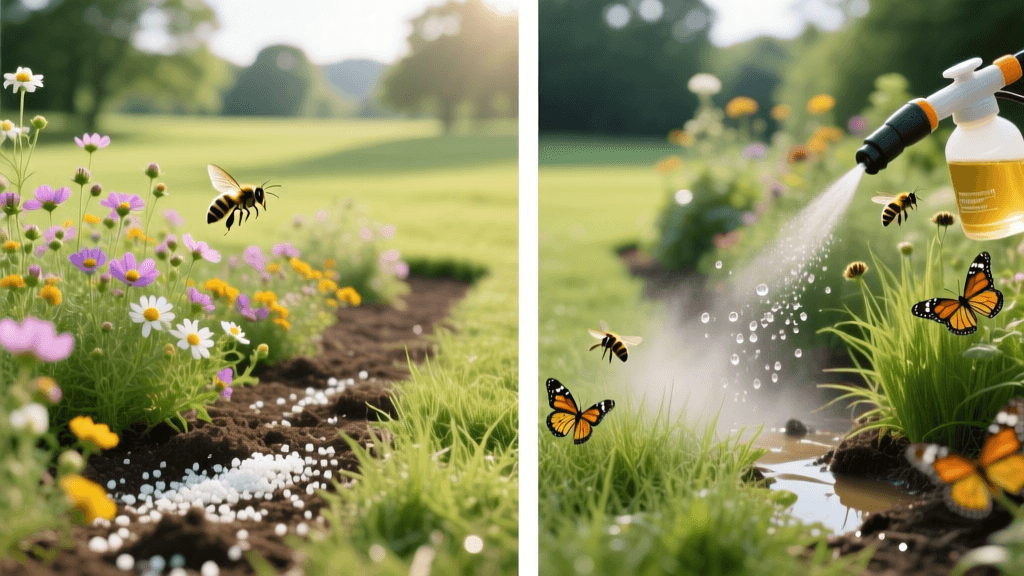
Granular vs Liquid Fertilizer 2026: Pollinator-Safe Lawn Care
The 2026 Shift to Pollinator-First Lawn Care
As we move through 2026, the traditional American lawn is undergoing a radical transformation. Homeowners and landscapers are increasingly replacing sterile, high-maintenance turfgrasses with vibrant, eco-conscious alternatives. The rise of the "bee lawn"—a carefully curated mix of fine fescues, Dutch white clover, creeping thyme, and self-heal—has become a cornerstone of modern pollinator-friendly garden design. However, maintaining these diverse, flowering landscapes requires a fundamental rethinking of how we feed our soil. The debate between granular vs liquid fertilizer application is no longer just about cost or convenience; it is now a critical ecological decision that directly impacts the health of local bee, butterfly, and hummingbird populations.
According to research highlighted by the University of Minnesota Extension, pollinator lawns require significantly less inputs than traditional turf, but the timing and delivery method of those inputs are paramount. When you introduce nutrients into a landscape teeming with foraging insects, the physical state of the fertilizer—whether it is a solid prill or a liquid spray—dictates how safely those nutrients integrate into the ecosystem without harming the very creatures you are trying to support.
Granular Fertilizer: The Slow-Release Pollinator Protector
Granular fertilizers consist of small, solid pellets or prills that are broadcast across the lawn surface. In 2026, the market is dominated by advanced organic and slow-release synthetic granules, such as bio-char-infused organic blends and polymer-coated urea. These granules rely on soil moisture, temperature, and microbial activity to break down their outer coatings and release nitrogen, phosphorus, and potassium directly into the root zone over several weeks or months.
Why Granular is Safer for Pollinators
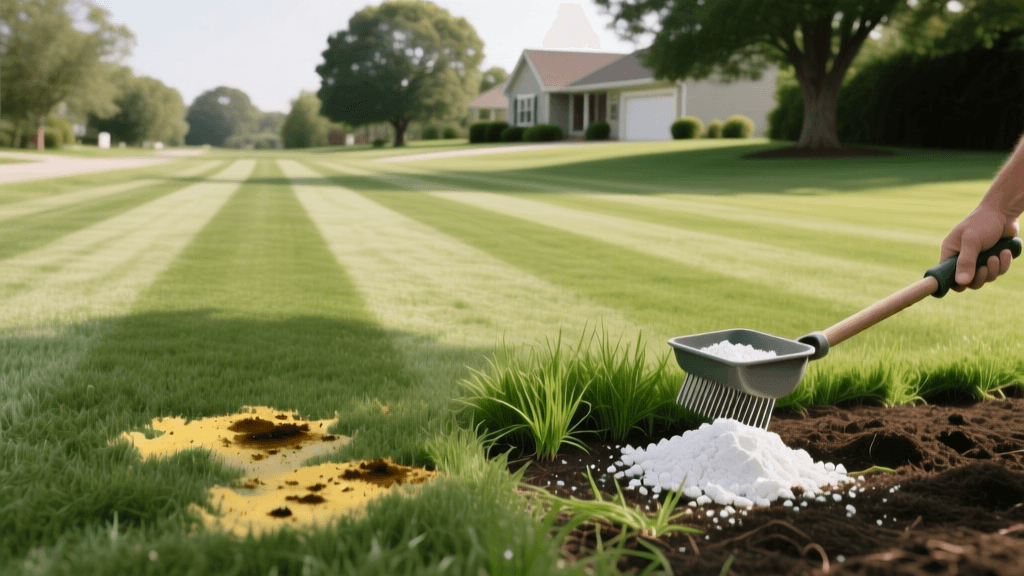
The primary advantage of granular fertilizer in a pollinator-friendly garden is the elimination of "drift." When applied correctly, heavy granules fall through the canopy of the grass and clover, settling into the thatch layer and soil surface. Because they do not coat the leaves or flower petals, foraging bees and butterflies are not exposed to the raw chemical compounds. Furthermore, modern organic granular options, like Espoma Organic Lawn Food or Milorganite, feed the soil microbiome rather than just the plant, fostering a healthy underground ecosystem of earthworms and beneficial fungi that naturally support robust, nectar-rich blooms.
The only notable risk with granular applications is to ground-foraging birds, which may mistake brightly colored synthetic granules for seeds. This is easily mitigated by thoroughly watering the lawn immediately after application, which washes the prills deep into the soil profile where they belong.
Liquid Fertilizer: Fast Results but High Ecological Risks
Liquid fertilizers are concentrated solutions mixed with water and applied via hose-end sprayers or backpack sprayers. They are prized for their ability to deliver rapid "green-up" effects, as the nutrients are immediately available for foliar absorption through the leaves or rapid uptake through the shallow root system. In 2026, liquid kelp emulsions and liquid iron supplements remain popular for quick fixes to nutrient deficiencies.
The Hidden Dangers of Liquid Sprays
While liquid fertilizers offer speed, they pose significant risks to pollinator-friendly landscapes. When you spray a liquid solution over a lawn interspersed with blooming clover, dandelions, or violets, the fine mist inevitably coats the flower petals and pollen. While fertilizers are not insecticides, the high salt concentrations and chemical carriers found in many liquid foliar feeds can be devastating to bees. Desiccation of delicate bee wings, disruption of their highly sensitive olfactory receptors, and contamination of the nectar they harvest can lead to localized colony stress.
Additionally, liquid applications are highly susceptible to wind drift. Even a mild 2026 spring breeze can carry nutrient-laden droplets into adjacent garden beds, potentially burning the foliage of sensitive native pollinator plants like milkweed or coneflowers. The precision required to avoid blooming weeds makes liquid application a high-stress, high-risk endeavor for the eco-conscious gardener.
Granular vs. Liquid: 2026 Pollinator Safety Comparison
To help you make the best decision for your pollinator corridor, we have broken down the core differences between these two application methods across several critical ecological and practical metrics.
| Feature | Granular Fertilizer | Liquid Fertilizer |
|---|---|---|
| Drift Risk | Minimal (falls directly to soil) | High (wind can carry mist to blooms) |
| Bloom Contamination | None (bypasses flowers) | High (coats petals and pollen) |
| Nutrient Release | Slow, steady (weeks to months) | Immediate (days to a week) |
| Runoff Potential | Low (if watered in properly) | Moderate to High (highly soluble) |
| Soil Microbiome Impact | Positive (organic granules feed microbes) | Neutral to Negative (salts can harm microbes) |
| Best Use Case | Base feeding, seasonal maintenance | Targeted spot-treatment, foliar emergencies |
The Runoff Factor: Protecting Downstream Habitats
Pollinator-friendly garden design does not stop at the property line; it extends to the watersheds that support aquatic ecosystems and the broader environments where pollinators migrate. Nutrient runoff is a leading cause of waterway degradation. When excess nitrogen and phosphorus wash into storm drains, they trigger algal blooms that deplete oxygen in lakes and rivers, destroying the habitats of aquatic insects that serve as vital food sources for birds and amphibians.
The Environmental Protection Agency (EPA) continuously emphasizes the severe effects of nutrient pollution on fragile ecosystems. Liquid fertilizers, due to their high solubility, are incredibly prone to runoff if applied just before a heavy spring rainstorm. Granular slow-release fertilizers, particularly those utilizing organic matter or advanced polymer coatings, bind to the soil matrix much more effectively. By choosing granular applications, you ensure that the nutrients stay in your lawn's root zone to support your clover and fescue, rather than washing away to harm downstream habitats.
Best Practices for Fertilizing Pollinator Lawns in 2026
If you are committed to maintaining a thriving, eco-friendly landscape this year, follow these actionable steps to ensure your fertilization routine supports, rather than hinders, your local pollinator populations.
- Conduct a Soil Test First: Never apply fertilizer blindly. A 2026 soil test from your local university extension will tell you exactly what your soil lacks. Many pollinator plants, like clover, fix their own nitrogen; adding excess nitrogen will only encourage aggressive grasses to choke out the flowering broadleaves.
- Mow Before Application: If you must fertilize during a blooming period, mow the lawn first. Removing the flower heads temporarily reduces the immediate foraging activity, giving granular fertilizers time to be watered into the soil before the bees return to the new blooms a few days later.
- Water In Granules Immediately: After broadcasting a granular organic or slow-release synthetic fertilizer, apply a quarter-inch of irrigation. This activates the breakdown process, moves the prills off the surface, and eliminates any risk to ground-foraging wildlife.
- Avoid Liquid Sprays on Blooming Days: If you absolutely must use a liquid seaweed or micro-nutrient spray, do so late in the evening after pollinators have returned to their hives and nests, and only when no rain is forecasted for 48 hours to prevent runoff.
- Leave the Clippings: The most pollinator-safe fertilizer is the one you don't have to buy. Mulching your grass and clover clippings back into the lawn returns vital nutrients to the soil naturally, without any risk of chemical drift or runoff.
Conclusion
The transition toward sustainable, life-supporting landscapes is the most exciting development in modern horticulture. As the Xerces Society frequently advocates, every square foot of pollinator-friendly lawn matters in the fight against insect decline. When it comes to the granular vs liquid fertilizer debate, the choice for the eco-conscious gardener in 2026 is clear. Granular fertilizers—specifically organic, slow-release varieties—offer a safe, targeted, and environmentally responsible way to nourish your soil without risking the health of the bees, butterflies, and beneficial insects that bring your garden to life. By prioritizing soil biology over quick chemical fixes, you ensure your lawn remains a vibrant, buzzing sanctuary for years to come.