Pest Control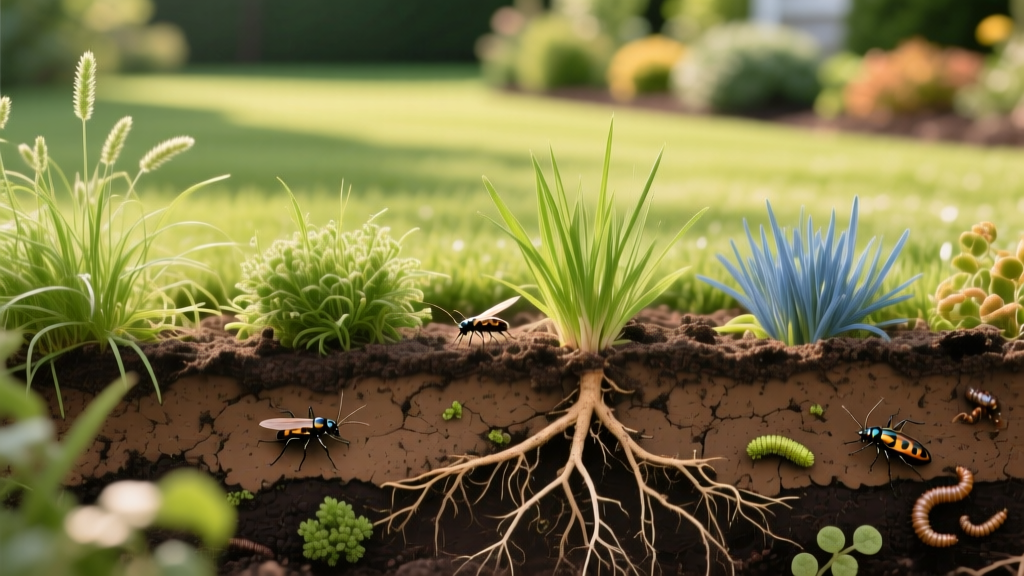
Match Grass to Soil Type to Prevent Common Lawn Pests
Emily WatsonPublished
The Hidden Link Between Soil, Grass, and Lawn Pests
When homeowners spot brown patches or notice increased bird activity on their lawn, the immediate instinct is often to reach for a broad-spectrum chemical pesticide. However, in the realm of modern turf management, reactive chemical applications are considered a last resort. True pest control begins long before the first grub or chinch bug arrives; it starts beneath the surface with the fundamental relationship between your soil type and the grass species you choose to plant.
Integrated Pest Management (IPM), a science-based approach championed by the Environmental Protection Agency (EPA), emphasizes that a healthy, vigorously growing lawn is the most effective defense against pest infestations. When grass is planted in a soil environment that does not support its specific biological needs, it enters a state of chronic environmental stress. This stress compromises the plant's immune system, making it highly susceptible to insect damage and fungal diseases.
The Biological Mechanism: How Weak Turf Invites Pests
Plants are not passive victims in their environment. When a turfgrass plant is stressed due to poor drainage, nutrient deficiency, or drought—conditions often caused by a mismatch between the grass species and the soil profile—it alters its chemical emissions. Stressed grasses release specific volatile organic compounds (VOCs) and exhibit changes in their sap composition. These chemical signals act as a beacon to turf-destroying insects.
For example, Japanese beetles and masked chafers actively seek out stressed turf to lay their eggs, as the resulting grubs will have an easier time feeding on compromised root systems. Similarly, chinch bugs thrive in hot, dry, drought-stressed lawns where the plant's natural ability to produce defensive enzymes is diminished. By matching your grass to your native soil type, you maintain optimal plant turgor pressure and robust root architecture, naturally deterring these pests.
Matching Grass Types to Soil Profiles for Pest Resistance
Understanding your soil's texture, drainage capacity, and nutrient-holding ability is the cornerstone of preventative pest control. Below is a comprehensive guide to matching grass species with soil types to maximize natural pest resistance.
| Soil Type | Primary Characteristics | Best Matched Grass Species | Common Pests in Mismatched Turf |
|---|---|---|---|
| Heavy Clay | Poor drainage, high compaction, nutrient-rich but restricted root growth. | Tall Fescue, Kentucky Bluegrass | White grubs, Crane fly larvae, Billbugs |
| Sandy Soil | Excellent drainage, drought-prone, rapid nutrient leaching, warms quickly. | Bermudagrass, Zoysiagrass, Centipedegrass | Chinch bugs, Root-knot nematodes, Mole crickets |
| Silty Soil | Moderate drainage, fertile, prone to surface crusting and erosion. | Perennial Ryegrass, Fine Fescues | Sod webworms, Armyworms |
| Loam (Ideal) | Balanced sand, silt, and clay; optimal moisture retention and aeration. | Almost all species (region-dependent) | Pests only during extreme weather events |
Managing Clay Soils to Prevent Subsurface Pests
Clay soils are notorious for compaction. When turfgrass roots cannot penetrate deeply due to hardpan layers, the grass develops a shallow, weak root system. This makes the lawn highly vulnerable to subsurface pests like white grubs, which can sever the limited roots and cause the turf to roll back like a carpet.
Actionable Advice: If you have clay soil, plant deep-rooted Tall Fescue. To maintain pest resistance, you must perform core aeration annually in the early fall. Aeration relieves compaction, allowing oxygen and water to reach the root zone. Follow aeration with a topdressing of organic compost. According to soil health guidelines from the USDA Natural Resources Conservation Service (NRCS), increasing soil organic matter improves soil structure, promotes beneficial microbial activity, and naturally suppresses soil-borne pathogens and pest larvae.
Sandy Soils and Surface-Feeding Insects
Sandy soils drain rapidly, leaving turf vulnerable to drought stress even with regular rainfall. Grass species that require high moisture, such as Kentucky Bluegrass, will quickly enter dormancy or die in sandy soils during summer heat. This drought stress is the primary trigger for chinch bug infestations, which suck the sap from the grass blades and inject a toxin that kills the plant.
Actionable Advice: Opt for drought-tolerant, warm-season grasses like Bermudagrass or Zoysiagrass if you are in a transitional or southern climate. For cool-season climates with sandy soils, use a blend of Fine Fescues. To prevent nutrient leaching and improve moisture retention without inviting pests, apply a half-inch layer of peat moss or composted leaf mold in the spring. Avoid high-nitrogen synthetic fertilizers, which promote rapid, sappy growth that attracts aphids and leafhoppers.
Soil Amendments and Biological Pest Controls
When dealing with an existing pest problem in a mismatched lawn, IPM dictates that we use biological controls and targeted soil amendments before resorting to synthetic chemicals.
Beneficial Nematodes for Grub Control
If your soil type has predisposed your lawn to a grub infestation, beneficial nematodes (specifically Heterorhabditis bacteriophora) are a highly effective biological control. These microscopic worms naturally occur in healthy soils but are often depleted in compacted clay or heavily disturbed sandy soils.
- Timing: Apply in late summer or early fall when grub larvae are small and actively feeding near the surface.
- Application Rate: Approximately 1 billion nematodes per acre (or roughly 25,000 per square foot for severe spot treatments).
- Soil Requirements: Nematodes require moist soil to travel. Irrigate the lawn thoroughly before and after application. They are highly sensitive to UV light, so apply them in the early evening or on a heavily overcast day.
Milky Spore Disease
For long-term grub management, particularly Japanese beetle grubs, Milky Spore (Paenibacillus popilliae) is a bacteria that can be applied to the soil. It works best in soils with a neutral pH (6.5 to 7.0) and adequate organic matter. In highly acidic sandy soils, the bacteria may fail to establish, highlighting once again why soil testing is a prerequisite for any pest control strategy.
Implementing a Proactive IPM Soil Strategy
To transition your lawn from a pest-prone environment to a resilient ecosystem, follow this seasonal IPM checklist:
- Conduct a Professional Soil Test: Do not guess your soil type or pH. Send a core sample to your local university extension office. The test will cost between $20 and $30 and will provide exact amendment recommendations.
- Adjust pH for Nutrient Availability: Most turfgrasses thrive at a pH of 6.0 to 7.0. If your soil is too acidic or alkaline, the grass cannot uptake essential nutrients like phosphorus and potassium, leading to weakness. Apply agricultural lime to raise pH or elemental sulfur to lower it based on your test results.
- Manage Thatch Layers: A thatch layer thicker than 0.5 inches provides an ideal, temperature-controlled breeding ground for pests like sod webworms and chinch bugs, while preventing water from reaching the soil. Dethatch your lawn using a power rake or verticutter when the grass is actively growing.
- Overseed with Resistant Cultivars: Modern turfgrass breeding has produced cultivars with endophytic fungi. These beneficial fungi live inside the grass blades and produce alkaloids that are toxic to surface-feeding insects like chinch bugs and billbugs. Overseed your existing lawn with endophyte-enhanced Tall Fescue or Perennial Ryegrass to introduce this biological defense.
"Integrated Pest Management (IPM) is an effective and environmentally sensitive approach to pest management that relies on a combination of common-sense practices... IPM programs use current, comprehensive information on the life cycles of pests and their interaction with the environment." - EPA
Conclusion: The Soil-First Approach to Pest Freedom
Treating lawn pests without addressing the underlying soil-grass mismatch is akin to treating a symptom while ignoring the disease. By identifying your native soil type and selecting a grass species that thrives in those specific conditions, you build a lawn that is naturally fortified against insect invasions. Combine this cultural control with proactive soil amendments, proper irrigation, and biological treatments like beneficial nematodes, and you will drastically reduce your reliance on harsh chemical pesticides. A pest-free lawn is not achieved through the nozzle of a sprayer; it is cultivated from the ground up.